
, even in damp, cloudy, or wet weather.)
🌧️ Line‑Drying in Rainy Climates: How to Dry Clothes Even When the Sun Won’t Cooperate
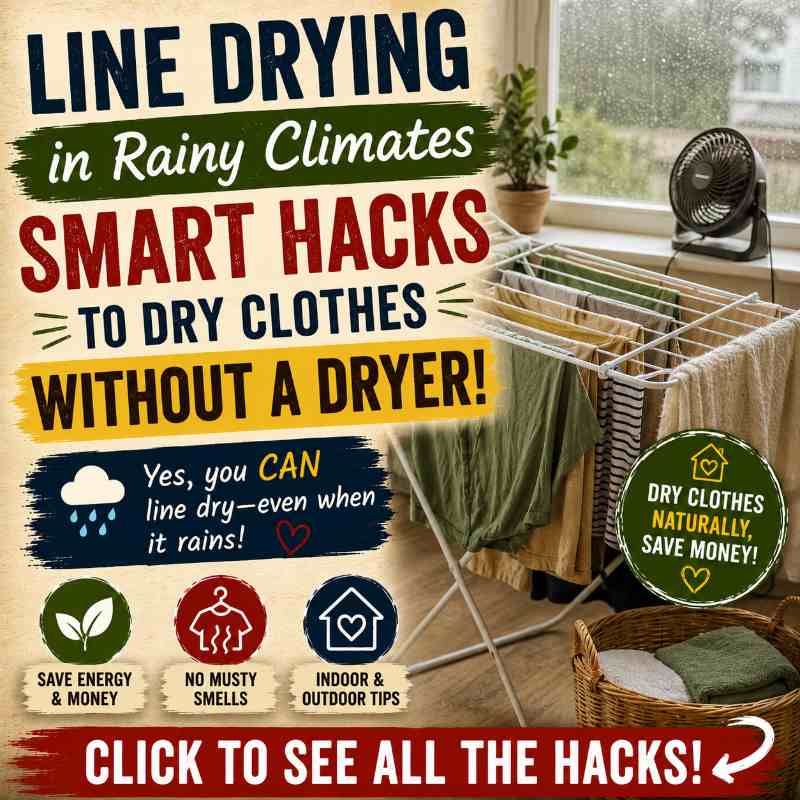
💨 Rain or Shine, Your Laundry Can Still Dry
When most people think about line-drying clothes, they imagine a sunny day, birds chirping, and linens gently swaying in a warm breeze. But for those of us living in rainy climates, that dreamy image quickly turns into a soggy reality. ☔
Does this mean you have to give up on line-drying entirely? Absolutely not!
In fact, drying your clothes without a dryer—even in the rainiest regions—is not only possible, but practical, energy-saving, and more sustainable.
In this guide, we’ll show you how to line-dry your clothes in damp or rainy conditions, why it’s worth the effort, and answer some commonly asked questions from fellow laundry warriors.
🧺 How to Line-Dry Your Clothes in Rainy Climates
Let’s get right to it. Here’s how you can successfully line-dry clothes even when the weather is gloomy:
1. Use Covered Outdoor Spaces
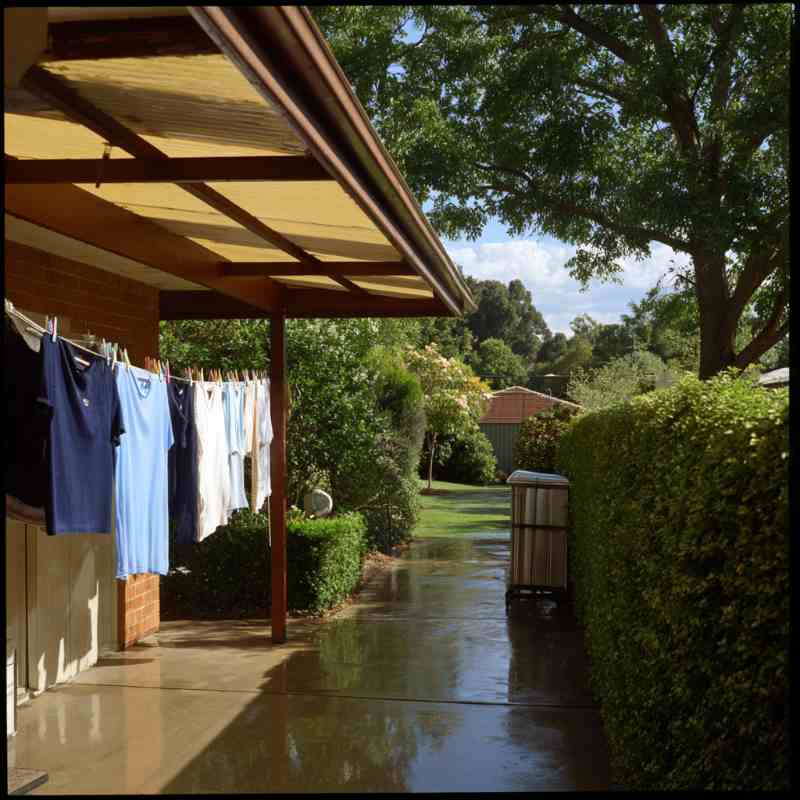
✅ Covered porches, balconies, or carports work great. Rain won’t touch your clothes, but there’s still airflow.
✅ You can also install a retractable clothesline under an awning or roof overhang to shield your laundry from drizzle.
2. Switch to Indoor Drying Lines
Rain all week? No problem.
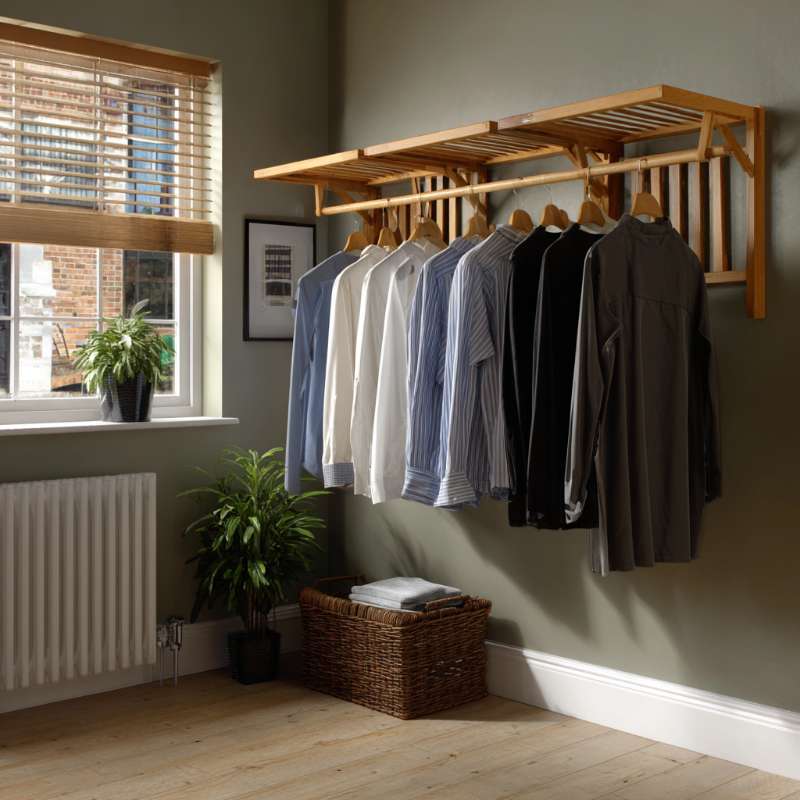
Install wall-mounted drying racks or ceiling airers (like a pulley clothes airer) in your utility room, bathroom, or kitchen. These are popular in the UK for good reason!
Pro tip: Set them near radiators, dehumidifiers, or sunny windows to speed up drying.
3. Invest in a Drying Tent or Umbrella Dryer
There are outdoor clothes-drying tents that act like mini-greenhouses for your laundry. Or try an umbrella dryer with a rain cover—these are surprisingly effective and affordable.

4. Strategically Time Your Laundry
Use weather apps or websites to spot 2–3 hour dry spells, then hang out your clothes.
Even in wet climates, short windows of wind and dry skies can be just enough to air your garments.
5. Use the Wind, Not Just the Sun
Wind is just as useful as sun for drying. Even on cloudy days, a stiff breeze will pull moisture from your clothes.
🌿 Why Line-Dry in Rainy Weather Anyway?
You might wonder, “Why not just toss it all in the dryer?”
Here’s why line-drying—even in wet weather—is worth the effort:
✅ Save Money on Energy Bills
Electric dryers are energy hogs. Line-drying can slash your electricity use by over £100 a year.
✅ Eco-Friendly and Off-Grid Ready
Reducing reliance on dryers means lower carbon emissions—a must for eco-conscious homes or those living off-grid.
✅ Gentler on Clothes
Line-drying preserves fabric quality, reduces shrinking, and extends garment lifespan.
✅ Fresh, Natural Scent
There’s nothing quite like that crisp, fresh-air scent, even if it’s a cloudy-day breeze doing the work.
🌧️ Tips for Line-Drying Clothes in Wet Conditions
Here are some tried-and-tested tricks:
- Wring clothes well: Spin at high speed in the washer to get out as much moisture as possible.
- Use thin, quick-drying fabrics on rainy days—think synthetics, lightweight cotton, or linen.
- Hang with space between items: Avoid overlapping or cramming clothes. Airflow is key!
- Flip clothes halfway through drying to expose the damp side to fresh air.
- Use a fan or dehumidifier indoors to simulate airflow when drying inside.
❓ FAQs: What People Ask About Line-Drying in Rainy Climates
Q: Can clothes dry without sun at all?
A: Yes! Wind and ambient heat (even from indoors) will evaporate moisture. It may take longer, but they will dry.
Q: How do I prevent clothes from smelling musty when drying inside?
A: Use proper ventilation. Open a window, run a fan or dehumidifier, and don’t let clothes sit damp for too long.
Q: Is line-drying inside bad for indoor air?
A: Too much moisture can lead to mold or mildew. Counteract it with good airflow, extractor fans, or moisture absorbers.
Q: How long does it take to dry clothes without a dryer in rainy weather?
A: Indoors with airflow, expect 12–24 hours depending on the fabric. Outdoors under cover with wind? Maybe 4–8 hours.
Q: Can I partially dry clothes on the line and finish them in the dryer?
A: Absolutely. This hybrid method saves energy and still gives that fresh scent while reducing wear from tumbling.
🌀 Bonus Tip: Use a DIY Indoor Drying Cabinet
Want to go full-on clever? Make a DIY drying cabinet using a small closet, a rack, and a dehumidifier. It’s perfect for off-grid setups or if you don’t want clothes hanging all over the house.
🌦️ Final Thoughts: Rain Is No Excuse
Line-drying in a rainy climate is a skill—and like any skill, it gets easier with time.
Once you master the right timing, setup, and airflow tricks, you’ll wonder why you ever relied on the dryer in the first place.
So go ahead: string up that line, grab those clothespins, and reclaim your laundry days—even under cloudy skies! 🌥️👕
📌 Quick Recap Checklist
✅ Use covered outdoor spaces
✅ Install indoor drying lines
✅ Try drying tents or umbrella dryers
✅ Time your laundry around dry spells
✅ Take advantage of wind
✅ Use fans, dehumidifiers, or radiators inside
✅ Embrace thinner, fast-drying fabrics
Want more eco-friendly laundry hacks or off-grid living tips? Stay tuned for more!