

No-Buy November: 30 Things I’m Not Buying This Month to Save Money
Make sure to like Living Green and Frugally on Facebook, Shop at Amazon to help support my site and explore our PINTEREST BOARDS for innovative ways you can become self-sufficient.
November is one of the easiest months to overspend without really noticing it. Christmas shopping starts creeping in, Black Friday deals appear everywhere, shops fill up with cosy seasonal displays, and social media seems to find a new “must-have” every five minutes.
This year, I’m trying something different: No-Buy November.
The idea is not to spend absolutely nothing. I will still pay bills, buy normal groceries and replace genuine essentials when necessary. What I am cutting out is unnecessary shopping: the little purchases that feel harmless individually but can quietly eat through a budget.
It also fits neatly with the underconsumption trend currently circulating on TikTok. Instead of showing huge shopping hauls, people are increasingly showing the products, clothes and household items they have owned for years and are still happily using. Recent coverage has focused on people finishing what they own, repairing things and walking away from tempting purchases rather than treating every shopping trip as an opportunity to buy something.
In one video covered on September 30, UK creator Emily, who is doing a no-buy year, went into Home Bargains for cat food and gifts for friends and deliberately left behind the seasonal mugs, bedding, tumblers and other items that caught her eye. That is pretty much the attitude I want to take into November: noticing something is nice does not mean I need to own it.
If an entire month sounds too restrictive, even trying a no-spend weekend challenge can reveal how often spending happens simply because we are bored, tempted or already near the shops.
For November, though, I’m going the full month. Here are the 30 things I’m not buying.
30 Things I’m Not Buying This November
1. New clothes just because they are on sale
A reduced price does not automatically make something a bargain. If I would not have bought the jumper, coat or dress at full price, I probably did not need it in the first place. My wardrobe already has enough clothes to get me through November.
2. Another pair of shoes
Unless my everyday shoes suddenly fall apart beyond repair, I am wearing the pairs I already own. November sales make shoes especially tempting, but another pair sitting in the wardrobe is not saving me money.
3. Handbags and accessories
Scarves, bags, belts and jewellery can be relatively inexpensive individually, which makes them easy impulse purchases. This month I am rediscovering the accessories already hiding in drawers and cupboards.
4. Seasonal mugs
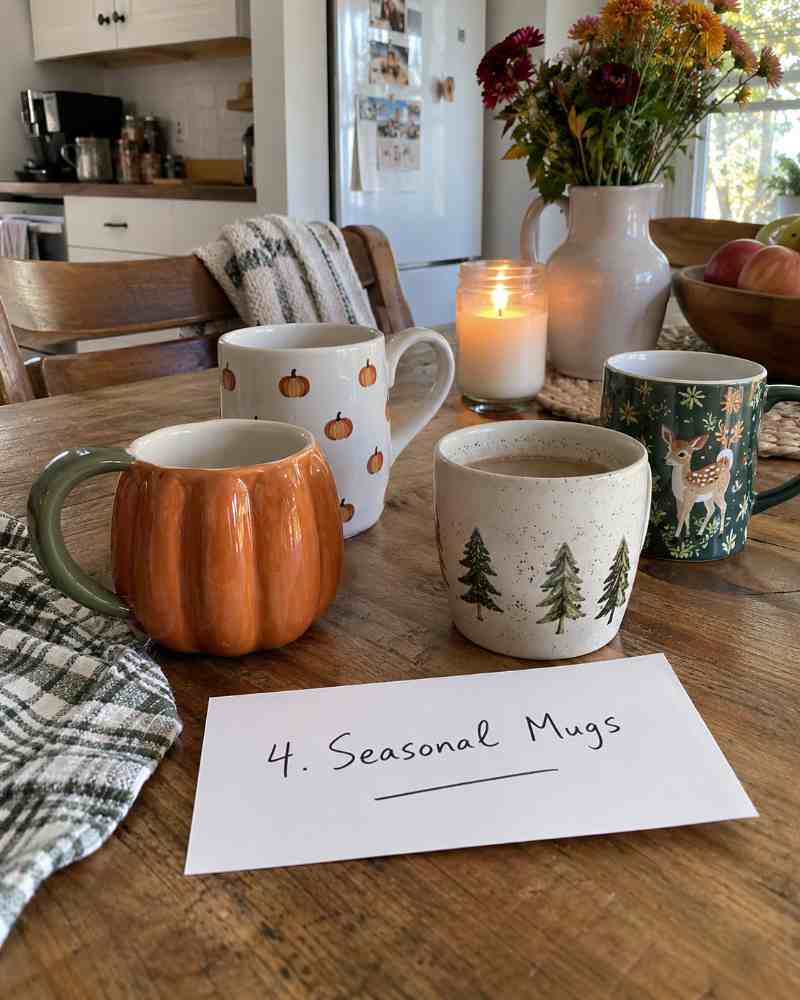
Autumn mugs, Christmas mugs, novelty mugs — somehow there is always another one.
I already have mugs that hold tea and coffee perfectly well. A snowman printed on the side does not make the drink taste any better.
5. Christmas decorations
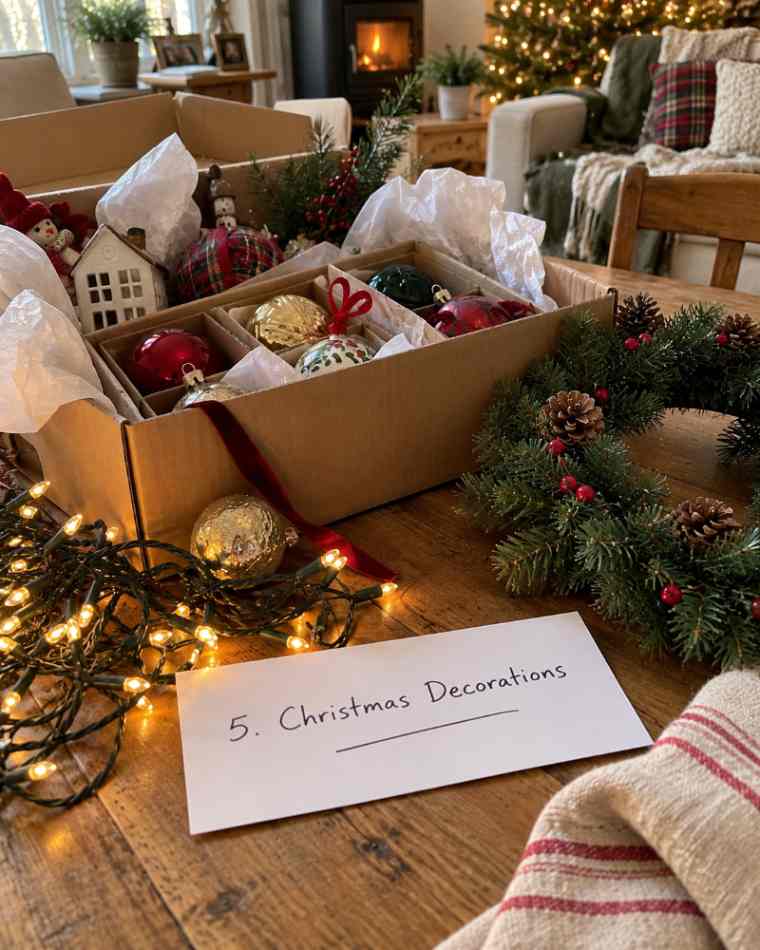
I am using the decorations I already have before buying anything new.
In fact, this is a good month to look at what can be reused instead of automatically heading to the shops. There are plenty of everyday items our grandparents routinely kept and reused rather than replacing, as these old-fashioned ideas for reusing things most people throw away show.
6. Candles
This one is harder than it sounds once the cinnamon, gingerbread and winter-spice scents appear.
But I already have partially used candles. They need burning before another jar comes through the front door.
7. Extra skincare products
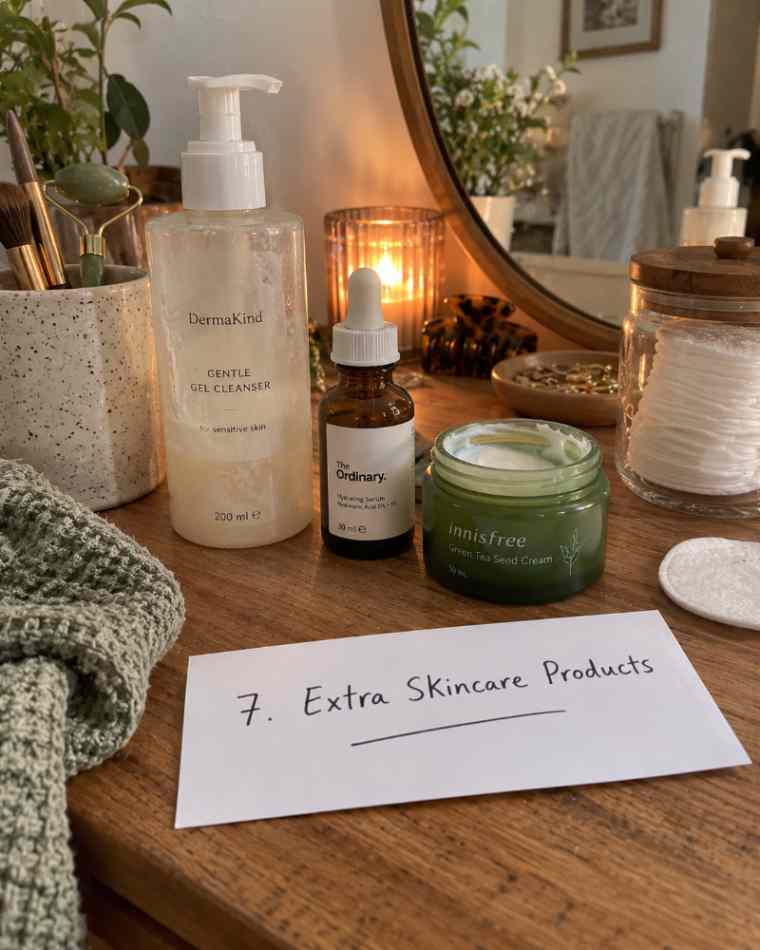
I do not need three cleansers waiting behind the cleanser I am currently using.
November is about finishing bottles, tubes and jars before replacing them. Having backups can occasionally make sense, but buying another product because the packaging is attractive does not.
8. Makeup I already own in another version
I probably do not need another lipstick that is almost the same colour as three others.
The same goes for palettes, foundations and mascaras. I am using what is already open before adding something new.
9. Perfume and body sprays
Fragrance gift sets start appearing everywhere at this time of year. They can look like good value, but spending £20 or £30 on something I was not planning to buy is still spending £20 or £30.
10. Hair gadgets
No new curling tools, heated brushes, dryers or styling gadgets this month.
If the tools I already own can do the job, there is no reason to replace them simply because a newer version promises to do it slightly differently.
11. Kitchen gadgets
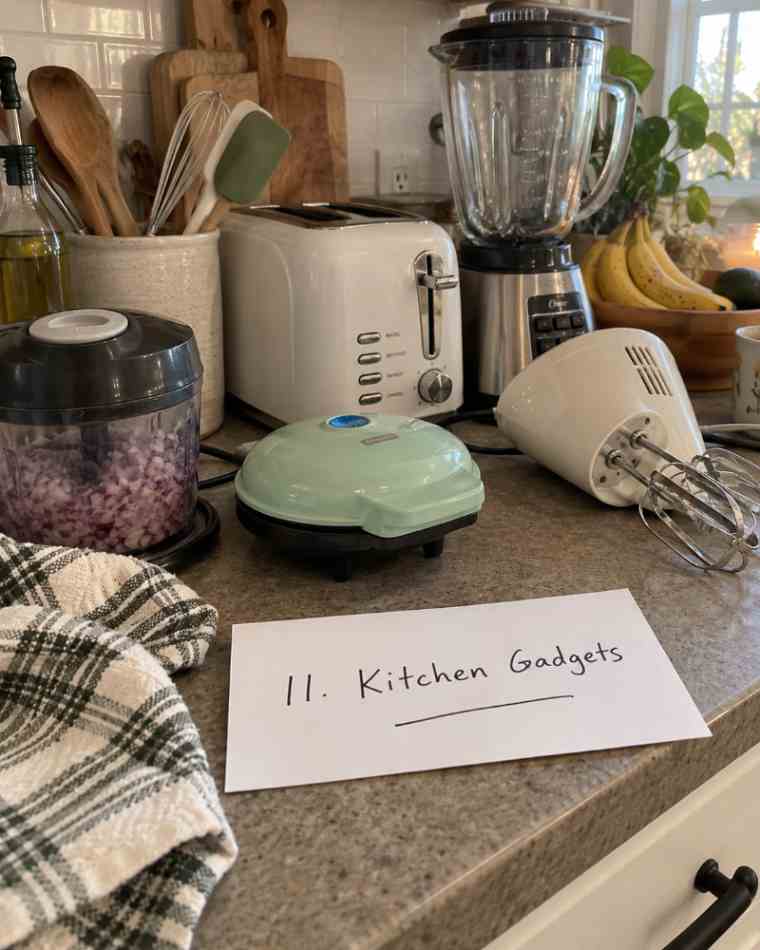
November and December seem to bring an endless supply of mini waffle makers, hot chocolate machines, vegetable choppers and single-purpose kitchen gadgets.
Before buying any of them, I am asking a simple question: can something already in my kitchen do the same job?
Usually, the answer is yes.
12. New food storage containers
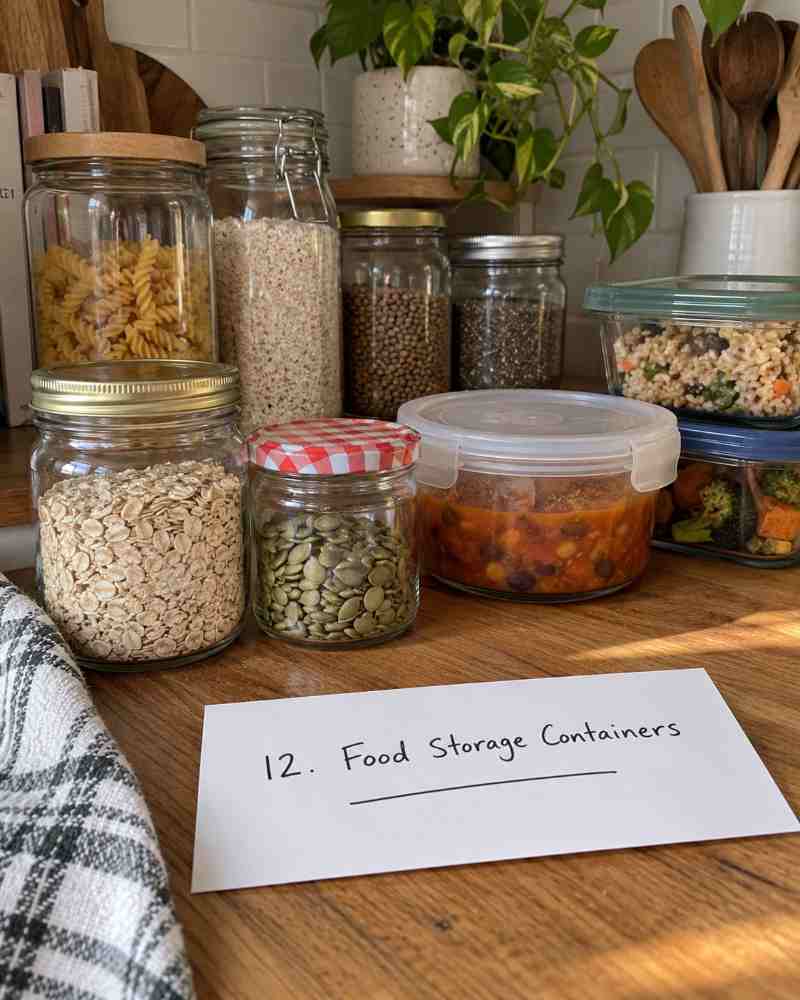
Before buying matching tubs and pantry organisers, I am using what I already have.
Clean jars are particularly useful for dry ingredients, leftovers and small household items. There are plenty of practical examples in these ways to reuse glass jars around the home.
It may not produce a perfectly matching pantry, but it costs nothing.
13. Another water bottle or travel mug
Reusable bottles only reduce waste when we actually reuse them.
If there are already perfectly good bottles in the cupboard, buying a fashionable new reusable bottle rather defeats the point.
14. New home décor
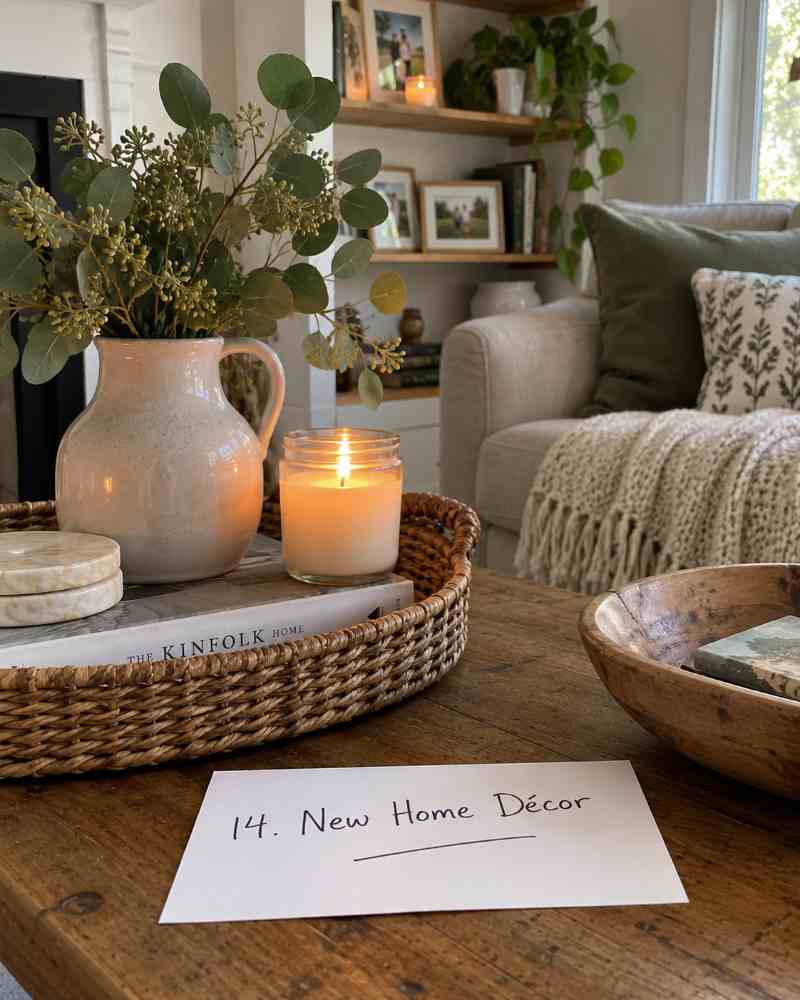
Cushions, signs, throws, vases and little decorative objects are easy to pick up without much thought.
This month I am moving things around, bringing forgotten items out of cupboards and seeing whether a room really needs anything before buying something new.
15. Furniture that is replacing something repairable
A loose leg, scratch or tired finish does not necessarily mean a piece of furniture is finished.
Before replacing something, I want to see whether it can be tightened, patched, painted or repaired. Our article on things people used to repair instead of replace has plenty of examples of how normal that approach once was.
16. New books
I like books, which is exactly why this category can get expensive.
For November I am reading the unread books already on my shelves, borrowing from the library or revisiting something I already enjoyed.
17. Craft supplies for projects I have not started
Buying supplies and actually making things are two completely different hobbies.
Until I use some of the fabric, yarn, paint, paper or other materials already sitting around, I am not starting another stash.
18. Organising products
Storage baskets can become a surprisingly expensive way of organising things I did not need in the first place.
Before buying another organiser, I am decluttering, reusing containers and working with the space I already have.
19. Disposable cleaning cloths
Old towels, worn clothes and even odd socks can often handle basic cleaning jobs.
If your sock drawer is anything like mine, these 30 ways to reuse old socks might save a few from the bin while replacing things you would otherwise buy.
20. Cleaning products I already have
I am not buying a new spray because it promises to clean one very specific surface when there are already several cleaners under the sink.
The first job is to use what is there.
21. Takeaway coffee
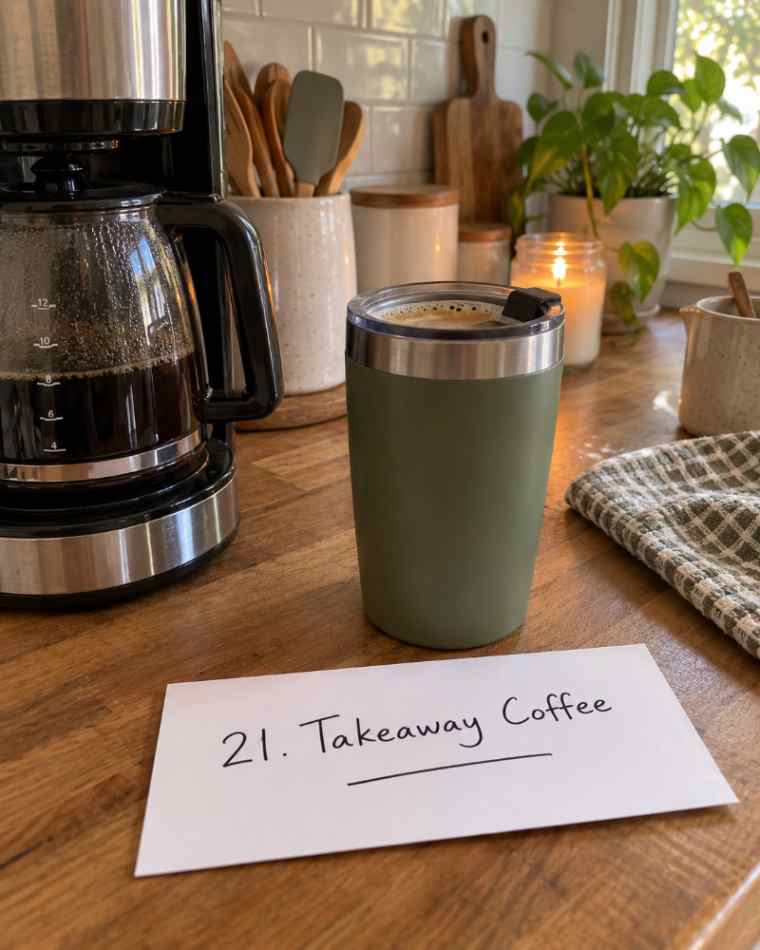
One coffee does not wreck a budget, but buying one several times a week can become a habit rather than a treat.
For November, coffee is coming from home unless I am meeting someone specifically for coffee.
22. Bottled drinks while I’m out
This is another purchase that normally happens because I failed to plan ahead.
Filling a bottle before leaving home costs almost nothing and removes one more excuse to wander into a shop.
23. Lunches I could have taken from home
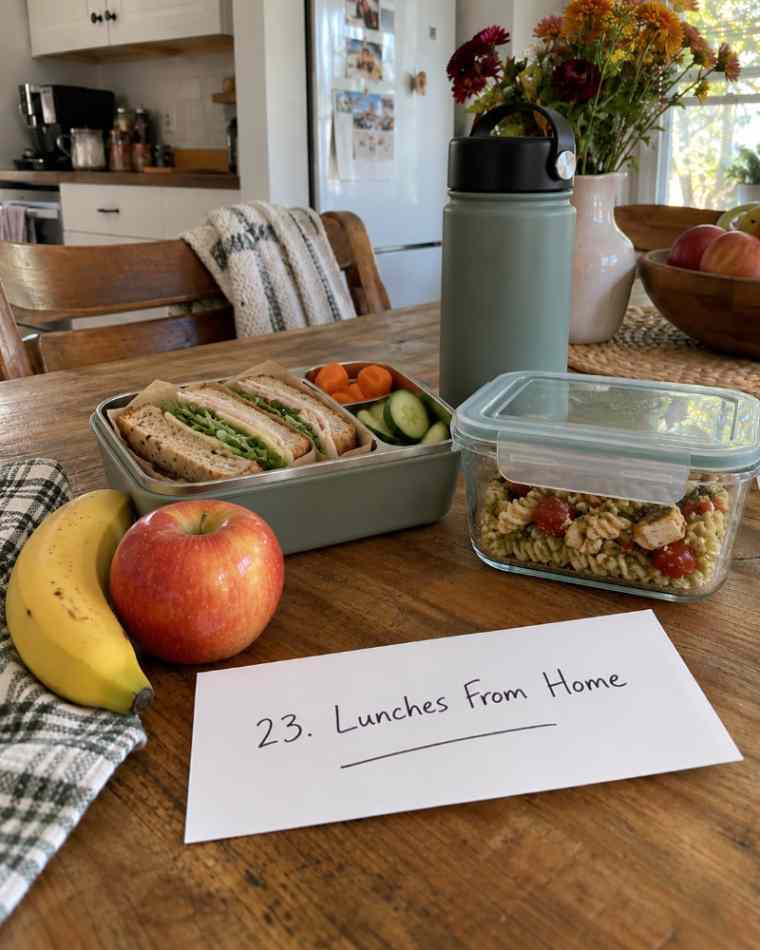
There will be exceptions, but buying lunch because I forgot to pack something is something I want to avoid.
Leftovers, sandwiches, soup or something simple from home will usually do the job.
24. Takeaways because I cannot decide what to cook
Sometimes a takeaway is planned and genuinely enjoyable. That is different from ordering one because it is 7 p.m. and nobody knows what to make.
I am keeping a few easy meals available for those evenings instead.
25. Extra groceries simply because they are on offer
Buying two when I only need one is not automatically saving money.
Before adding a discounted item to the trolley, I am checking whether I already have it and whether I will realistically use it. There are more practical ways to reduce food spending in these 30 ways to save money on groceries.
26. Snacks from petrol stations and convenience shops
These purchases usually happen because I am hungry and unprepared.
Keeping a snack and drink with me is cheaper than paying convenience prices every time hunger catches me away from home.
27. Things I could easily make instead
Not everything is worth making from scratch. Time matters too.
But there are some everyday purchases where homemade makes sense, particularly simple foods, household items and reusable alternatives. This list of 20 things frugal people make instead of buy is a useful place to look for ideas.
28. Phone and tech accessories I do not actually need
Another charger, phone case, stand, cable organiser or little gadget might only cost a few pounds, but those purchases add up.
If the one I own still works, it stays.
29. Black Friday bargains that were never on my list
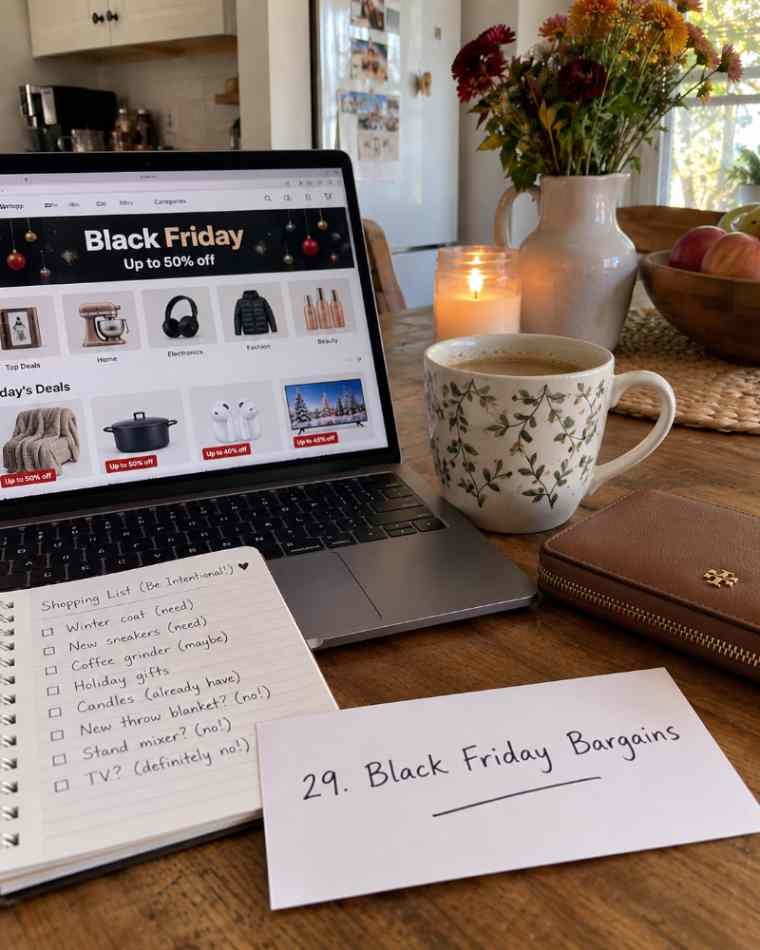
This may be the biggest test of No-Buy November.
Black Friday advertising is designed to make waiting feel expensive. But a 40% discount on something I never intended to buy is not a 40% saving. It is a 60% expense.
I will still look for a discount on something I had already planned and budgeted to purchase, especially a Christmas gift or genuine replacement. What I am avoiding is allowing the sale itself to create the purchase.
30. Replacements for things that still work
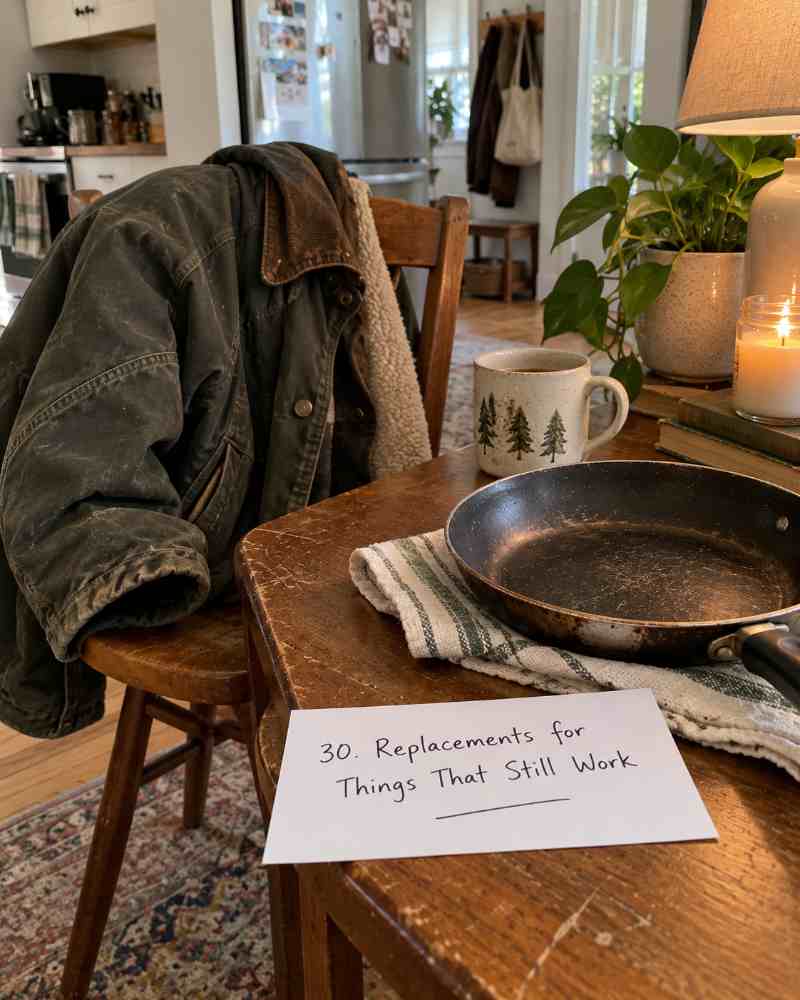
This is the rule that pulls the whole challenge together.
I do not need to replace something because it looks old, because a newer version exists or because social media has decided mine is unfashionable.
A faded towel can still dry. An old pan can still cook. A scratched table can still be useful. A winter coat does not expire when a new season’s colours arrive.
Using something until it genuinely needs replacing is not deprivation. For most of human history, it was simply normal.
No-Buy November is not really about proving that I can go 30 days without shopping. I want it to reset the point at which I decide I “need” something.
There will always be another sale, another seasonal collection and another product being presented as the thing that will make life easier. Sometimes it will genuinely be useful. Often, though, the cheapest and least wasteful option is already sitting somewhere in the house.
If November leaves me with a little more money in the bank and a better appreciation for what I already own, that is a result worth keeping long after the month ends.
Frequently Asked Questions
What is No-Buy November?
No-Buy November is a personal challenge where you avoid unnecessary purchases throughout November. You decide which spending categories are restricted while continuing to pay for essentials.
Can I still buy groceries during No-Buy November?
Yes. A no-buy challenge does not normally mean refusing to buy necessities such as food, medicine or essential household supplies. The aim is to cut unnecessary spending rather than make everyday life impossible.
What happens if something essential breaks?
Replace it if you genuinely need it, but check whether it can be repaired first. A no-buy challenge should encourage thoughtful spending, not leave you without something important.
Is No-Buy November the same as underconsumption?
They are closely related, but not identical. A no-buy challenge usually limits spending for a set period, while underconsumption is a broader habit of buying less, using things for longer and avoiding unnecessary replacements.
How can I resist Black Friday sales during a no-buy month?
Make a list before the sales begin and only consider items that were already planned and budgeted for. If seeing a discount creates the desire to buy something, rather than reducing the price of something you already needed, it is probably an impulse purchase.
What should I do with the money I save?
That depends on your priorities. You could put it towards an emergency fund, debt, Christmas expenses, savings or another planned goal rather than allowing the money to disappear into different impulse purchases.