

10 Fruits & Vegetables You Can Plant Once And They Come Back Every Year

Make sure to like Living Green and Frugally on Facebook, Shop at Amazon to help support my site and explore our PINTEREST BOARDS for innovative ways you can become self-sufficient.
🌱 10 Fruits & Vegetables You Can Plant Once — And They Come Back Every Year! 🍓🌿
Imagine this: You plant a fruit or veggie just once, and it keeps giving you fresh, organic produce year after year. No digging, no sowing, no stress. Sounds like a gardener’s dream, right?
Well, guess what? It’s real, and it’s called growing perennials! These are the set-it-and-forget-it champions of the garden world. They save you time, money, and effort — and some even improve your soil while they’re at it.
In this post, you’ll discover 10 amazing fruits and vegetables you only need to plant ONCE, and they’ll keep coming back to feed your family year after year. Plus, we’ll dive into how to grow them, why they’re a must for any homestead or backyard garden, and answer your most burning questions. 🌻
🌟 Why Perennials Deserve a Spot in Every Garden
Perennial fruits and vegetables offer long-term rewards for a little upfront effort. Here’s why they’re awesome:
- ✅ Low maintenance once established
- ✅ Cost-effective — no need to buy seeds every year
- ✅ Great for lazy or busy gardeners
- ✅ Resilient to weather changes and pests
- ✅ Soil-builders — many improve the ecosystem around them
Now let’s get into the good stuff…
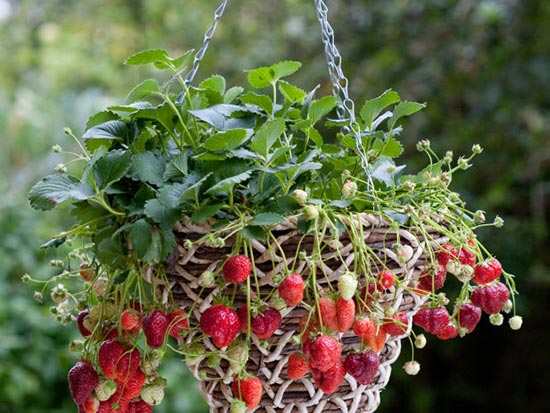
🍓 1. Strawberries
Sweet, juicy, and a garden favorite! Strawberries are technically perennials, and once they’re settled in, they’ll send out runners that grow new plants.
How to grow:
Plant in well-drained soil with full sun. Mulch around them to keep the fruit clean and moisture in.
Tip: Replace older plants every 3-4 years for best yield, and allow the runners to root.
🧄 2. Garlic (Hardneck Varieties)
Most people grow garlic annually, but hardneck garlic can be left in the ground to regrow from bulbils or cloves.
How to grow:
Plant cloves in the fall, about 2 inches deep. Harvest scapes in early summer, and allow some bulbs to stay in the ground.
Bonus: Garlic deters pests and is a natural antibiotic.
🧅 3. Walking Onions (Egyptian Onions)
These onions literally walk across your garden. They grow bulbils on top that bend down and root, starting a new plant.
How to grow:
Plant the bulbs 1 inch deep. Give them sun and space. They’ll multiply themselves!
Pro tip: Eat the green tops like scallions or the underground bulbs like small onions.
🥬 4. Rhubarb
A pie-loving perennial that can live for decades if treated right!
How to grow:
Start from crowns, not seeds. Give it full sun, rich compost, and lots of space.
Important: Only eat the stalks — the leaves are toxic.

🌿 5. Asparagus
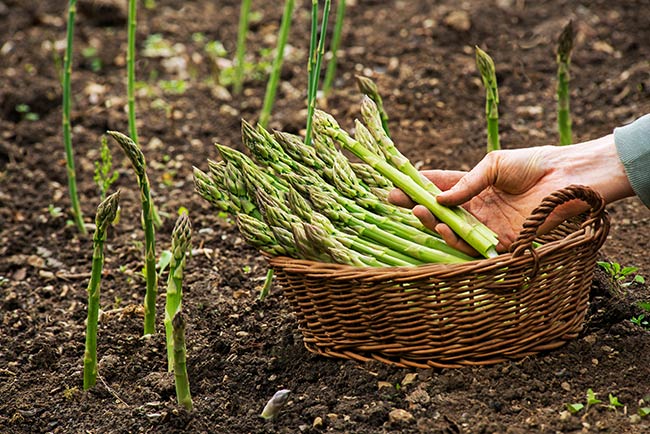
Asparagus is a garden investment. It takes 2-3 years to harvest, but then provides 20+ years of harvests.
How to grow:
Plant crowns in trenches 6–12 inches deep. Keep weed-free and don’t harvest in the first year.
Why it rocks: Early spring harvests when nothing else is growing.
🌾 6. Jerusalem Artichokes (Sunchokes)
These sunflower relatives produce knobby tubers that taste nutty and sweet — and come back with a vengeance.
How to grow:
Plant in a sunny spot with lots of space — they spread fast. Dig up what you want and leave some behind.
Heads-up: These can become invasive — contain them with barriers.
🥦 7. Sea Kale
A rare heirloom perennial veggie with a flavor between cabbage and broccoli.
How to grow:
Prefers sandy, well-drained soil and full sun. Harvest young leaves or force in spring for tender shoots.
Unique bonus: The flowers are edible and delicious!
🥬 8. Sorrel
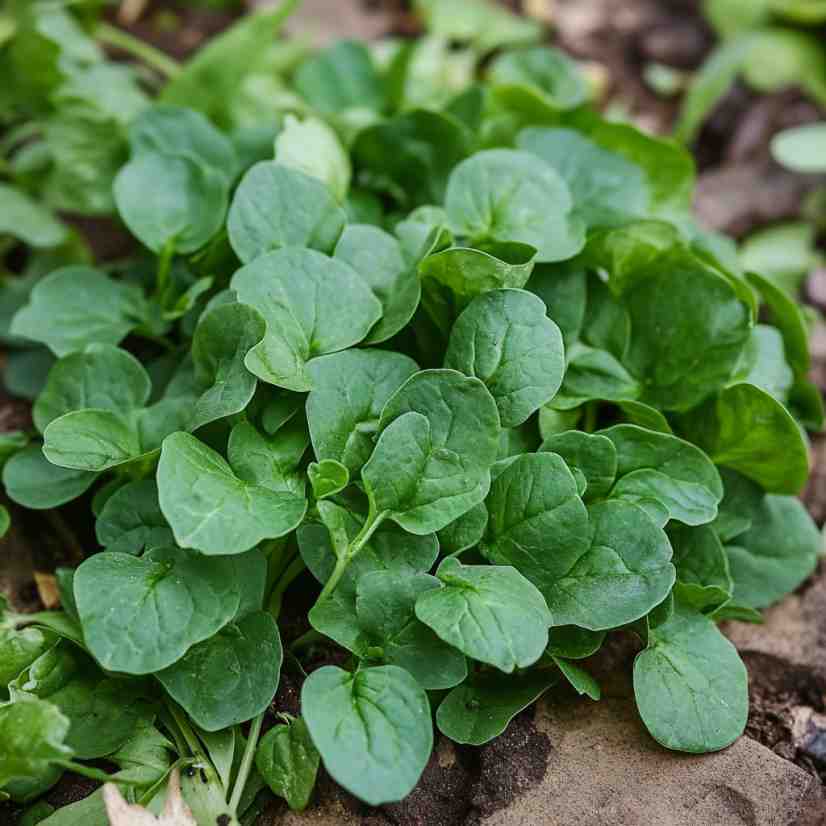
A tangy leafy green packed with Vitamin C and antioxidants.
How to grow:
Grows best in partial shade with moist soil. It tolerates cold and will be the first green in spring.
Use it in: Soups, salads, or as a lemony herb.
🍇 9. Grapes
With proper care, a single grapevine can yield fruit for decades.
How to grow:
Plant in full sun with a strong trellis or arbor. Prune annually to encourage fruiting.
Varieties: Choose table grapes, wine grapes, or muscadines depending on your region.
🌰 10. Horseradish
This spicy root is a perennial powerhouse that practically thrives on neglect.
How to grow:
Plant root cuttings in early spring. It will come back yearly — and may even take over if you’re not careful.
Tip: Harvest in fall after a frost for the best flavor.

💡 Tips for Growing Perennial Produce Successfully
- 🪴 Choose the right spot — most perennials hate being disturbed
- 🧼 Mulch heavily — to suppress weeds and retain moisture
- 💦 Water well during establishment — then ease off
- ✂️ Prune and divide — to keep them productive and under control
- ❄️ Protect in harsh winters — use straw or covers in very cold climates
❓ Frequently Asked Questions
Q: Do perennial vegetables produce as much as annuals?
A: Often yes, but they may take a year or two to mature. Once established, many will outperform annuals in the long run.
Q: Can I grow these in containers?
A: Some, like sorrel and strawberries, do well in pots. Others, like asparagus and horseradish, need deeper soil.
Q: Will they survive frost or snow?
A: Most of these perennials are hardy, but always check the USDA zone recommendations for your area.
Q: How do I keep them from taking over?
A: Use root barriers (especially for Jerusalem artichokes and horseradish), and divide aggressive growers every few years.
Q: Can I mix perennials with annuals in my garden?
A: Absolutely! Just make sure to leave space around your perennials so you don’t disturb their roots.
🌎 Why This Matters: More Than Just Easy Gardening
Growing perennial produce isn’t just smart — it’s sustainable.
🌿 Reduces tilling
🌧 Helps retain soil moisture
🐝 Supports pollinators
💰 Saves money over time
🌍 Lowers your carbon footprint
In other words: It’s a win for you and the planet.
🎯 Final Thoughts
Planting these 10 perennial fruits and veggies is like setting up a self-replenishing food system in your backyard. Whether you’re homesteading, trying to save money, or just want delicious food with less effort, this is your sign to start planting smart.
You don’t need a green thumb — just a little space, a bit of planning, and the willingness to let nature do its thing. 🌱
🔁 SHARE THIS & SAVE FOR LATER
Know someone who’s always buying seeds? Share this with them! 💌
Want to revisit this list each spring? 📌 Save it to your gardening board!
👉 Start with 2 or 3 of these this season — and thank yourself for years to come.