

18 Trees That Can Be Tapped For Sap And Syrup
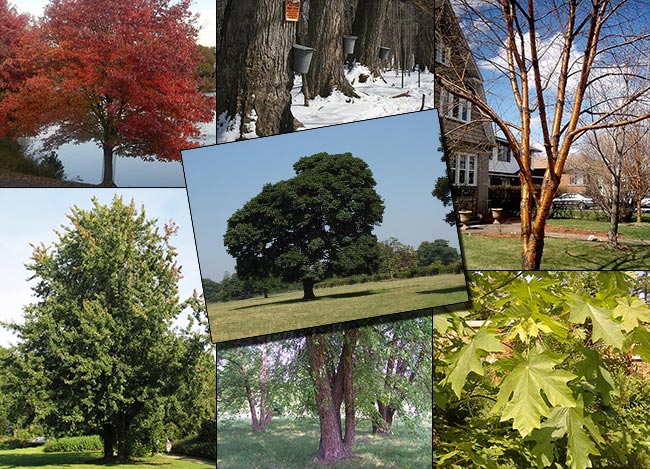
Make sure to like Living Green and Frugally on Facebook, Shop at amazon to help support my site and explore our PINTEREST BOARDS for innovative ways you can become self-sufficient.
18 Trees That Can Be Tapped for Sap and Syrup 🌳🍯 (It’s Not Just Maple!)
When most people think of tree syrup, maple steals the spotlight. But here’s the wild truth: maple isn’t even close to the only tree you can tap for sap and syrup.
In fact, forests all over the world are quietly dripping with opportunity. From sweet dessert syrups to mineral-rich survival drinks, tapping trees is an ancient skill that’s making a big comeback—especially among homesteaders, foragers, off-grid families, and frugal DIYers.
Whether you want to make your own syrup, reduce reliance on store-bought sugar, or simply reconnect with traditional skills, this guide will open your eyes to 18 tap-worthy trees you may already have nearby 👀🌲
Why Tap Trees for Sap and Syrup? 🍯
Tree tapping isn’t just about pancakes (although… yum). It offers some powerful benefits:
- 🌱 Natural & unprocessed – no artificial ingredients
- 💰 Budget-friendly – free calories straight from nature
- 🧭 Traditional skill – used for centuries worldwide
- 🩺 Nutrient-rich – many saps contain minerals and antioxidants
- 🔥 Shelf-stable – syrup stores for months (or longer)
And best of all? You don’t need acres of woodland. Even one healthy tree can produce usable sap.
How Tree Tapping Works (Simple Overview) 🪵
Tree tapping is surprisingly straightforward:
- Drill a small hole (usually 5–10mm wide) into the trunk
- Insert a spile or tap
- Collect sap in a container
- Boil it down to evaporate water and concentrate sugars
- Store and enjoy 🍯
💡 Most trees are tapped in late winter to early spring, when daytime thawing and nighttime freezing cause sap to flow.
18 Trees You Can Tap for Sap and Syrup 🌳
1. Sugar Maple
The classic. High sugar content and rich flavor. The gold standard of syrup 🍁
2. Red Maple
More common than sugar maple. Slightly lighter flavor but still excellent.
3. Silver Maple
Fast-growing and abundant. Produces more sap, though slightly less sweet.
4. Black Maple
Similar to sugar maple, often used interchangeably for syrup.
5. Boxelder
A type of maple many overlook—yet it produces surprisingly good syrup!
6. Birch
Creates a dark, molasses-like syrup. Needs more boiling but packed with minerals.
7. Yellow Birch
Sweeter than other birch species and highly prized.
8. Paper Birch
Produces a bold, earthy syrup used in savory dishes.
9. Walnut
Mild, nutty flavor. Works beautifully in baking and glazes.
10. Black Walnut
Lower sugar content, but unique and rich. A forager favorite.
11. Sycamore
Rarely tapped today, but historically used. Produces a light, pleasant syrup.
12. Ironwood
Low yield, but interesting for experimental tappers.
13. Hickory
Produces a smoky, bacon-like syrup flavor—amazing for BBQ sauces 🔥
14. Pecan
Subtle sweetness with a nutty depth. Fantastic on desserts.
15. Beech
Delicate flavor and clear sap. Needs careful boiling.
16. Linden (Basswood)
Light, floral notes—excellent mixed with other saps.
17. Palm
Used worldwide to make palm sugar and syrup. A major traditional sweetener.
18. Coconut Palm
Produces sap that ferments quickly—often used fresh or boiled immediately.
Tips for Successful Tree Tapping 🌿
✔️ Only tap healthy, mature trees
✔️ Never over-tap (1 tap per 10–12 inches of trunk diameter)
✔️ Seal holes naturally—trees heal themselves
✔️ Filter sap before boiling
✔️ Boil outdoors if possible (steam is intense!)
⚠️ Fun fact: It can take 40 gallons of sap to make 1 gallon of syrup, depending on the tree.
Common Questions About Tree Sap & Syrup ❓
Is tree sap safe to drink?
Yes—many saps are safe fresh, but some are better boiled. Always identify trees correctly.
Does syrup taste the same from every tree?
Not at all! Flavors range from sweet and buttery to smoky and earthy.
Can tapping hurt the tree?
When done properly, no. Trees heal naturally.
How long does homemade syrup last?
Stored properly in sterilized jars, up to a year or more.
Do I need special equipment?
Nope! A drill, spile, container, and large pot will do.
Why This Skill Is Making a Comeback 🌍
In a world of rising food costs and ultra-processed ingredients, people are rediscovering traditional food skills—and tree tapping is one of the most empowering.
It’s free.
It’s sustainable.
And it turns your local landscape into a living pantry.
Once you tap your first tree, you’ll never look at a forest the same way again 🌲✨