

Best Money-Saving DIY Projects (and Tips for Doing Them Right)

Make sure to like Living Green and Frugally on Facebook, Shop at Amazon to help support my site and explore our PINTEREST BOARDS for innovative ways you can become self-sufficient.
Best Money-Saving DIY Projects (and Tips for Doing Them Right)
There is something very satisfying about fixing, making, building, or reusing something yourself instead of paying full price for it.
But here is the honest truth: not every DIY project saves money.
Some projects start off as a “cheap little job” and somehow turn into a pile of tools, half-used supplies, and a weekend of stress. The best money-saving DIY projects are the ones that solve a real problem, use simple materials, and stop you from buying something expensive later.
This guide is all about practical DIY projects that can genuinely help reduce household costs, cut waste, improve your home, and make everyday life a little easier. These are not fancy show-home projects. They are useful, frugal, realistic jobs that normal people can actually do. 🛠️
Before you start any project, remember this simple rule:
If it saves money, improves something you already own, or stops waste, it is worth considering. If it needs expensive tools you will only use once, think twice.
For even more ideas like this, you may also like these 20 things frugal people make instead of buy to save money:
https://www.livinggreenandfrugally.com/20-things-frugal-people-make-instead-of-buy-to-save-money/
1. Build Simple Storage Shelves
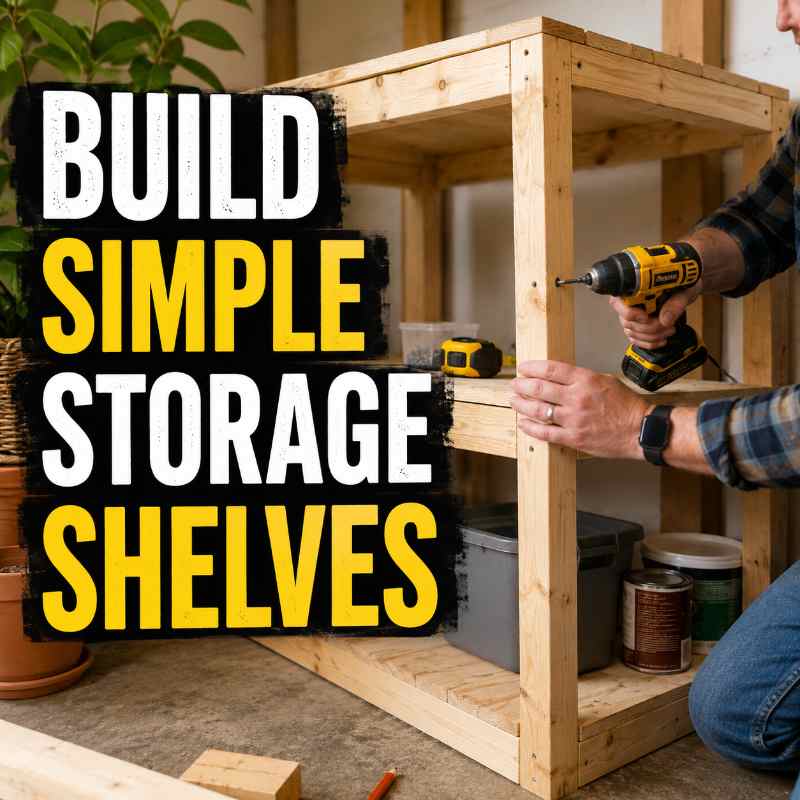
Storage is one of those things people often spend far too much money on. Plastic drawers, fancy shelving units, garage racks, baskets, bins, and organisers can add up quickly.
A simple set of DIY shelves can save money and make your home much easier to manage.
Good places to add DIY shelves include:
- Garage walls
- Basements
- Utility rooms
- Sheds
- Cupboards
- Pantry spaces
- Under-stairs areas
The key is to build for what you actually need to store. Big plastic tubs need deeper shelves. Jars and small tools need shallower shelves. Heavy items need strong supports.
This is where DIY wins. You are not trying to make your belongings fit a shop-bought unit. You are making the unit fit your belongings.
A good related project is this guide on how to build inexpensive basement storage shelves:
https://www.livinggreenandfrugally.com/make-strong-diy-storage-shelves/
Tip for doing it right
Measure your tallest and widest storage items before buying wood. It sounds obvious, but it stops you building shelves that are just slightly too short or awkward to use.
2. Make Your Own Household Cleaners
Cleaning products are one of those sneaky household costs. A spray for the kitchen, a cleaner for the bathroom, wipes for surfaces, stain remover, laundry boosters, floor cleaner, glass spray, toilet cleaner, and suddenly you have spent a small fortune.
Making a few basic cleaning products at home can be a brilliant money-saving DIY habit.
You do not need to make everything from scratch. Start with the simple ones:
- All-purpose vinegar spray
- Baking soda sink scrub
- Lemon and vinegar cleaner
- Homemade laundry booster
- Simple glass cleaner
- Reusable cleaning cloths from old towels or T-shirts
The best part is that homemade cleaners are often made from cheap ingredients you may already have in the cupboard.
This fits perfectly with the idea of making useful household items yourself instead of buying everything new. For more ideas, see 20 things frugal people make instead of buy to save money:
https://www.livinggreenandfrugally.com/20-things-frugal-people-make-instead-of-buy-to-save-money/
Tip for doing it right
Always label homemade cleaners clearly. Never mix random cleaning ingredients together, especially bleach with vinegar or ammonia-based products. Keep homemade cleaners away from children and pets.
3. Repair And Refresh Old Furniture
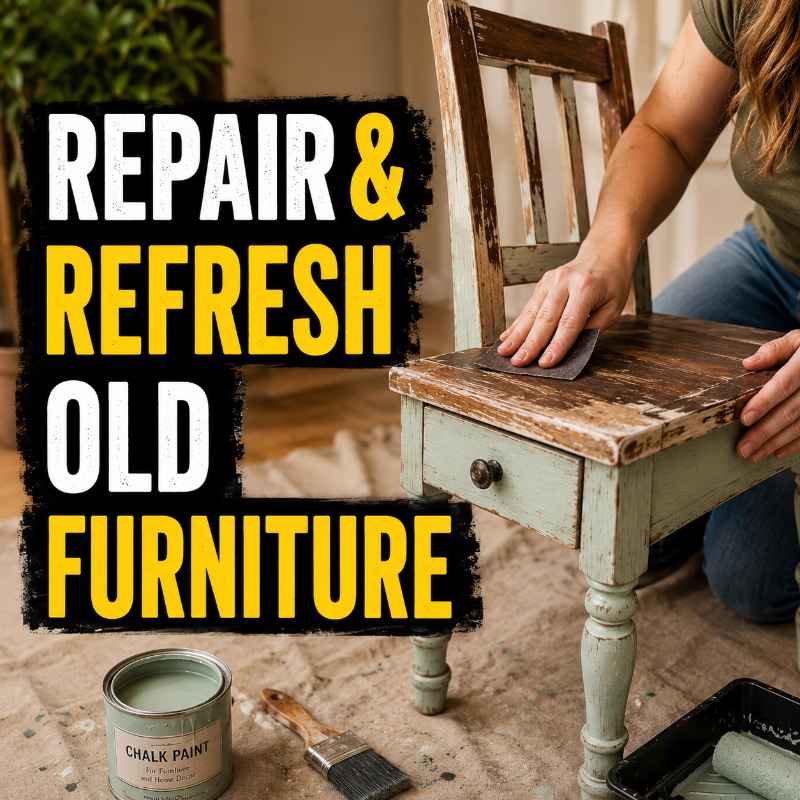
Before you buy new furniture, look at what you already own.
A scratched table, tired chair, old bookcase, faded cabinet, or wobbly stool may still have years of life left in it. Sometimes all it needs is a clean, sand, paint, new handles, wood glue, or a small repair.
Easy furniture refresh ideas include:
- Painting an old side table
- Replacing drawer handles
- Sanding and oiling wooden furniture
- Tightening loose screws
- Adding peel-and-stick paper inside drawers
- Covering a chair seat with leftover fabric
- Turning an old unit into garage or pantry storage
This kind of DIY saves money because furniture prices have climbed a lot over the years. Even cheap flat-pack furniture can cost more than simply improving what you already have.
Tip for doing it right
Do not rush the preparation. Cleaning, sanding, and priming usually matter more than the final coat of paint. If you skip the boring prep work, the finish may chip, peel, or look messy.
4. Turn Old Jars Into Useful Storage
Glass jars are one of the easiest things to reuse around the home, and they can save you from buying small organisers, storage tubs, seed containers, craft pots, spice jars, or gift packaging.
Use old jars for:
- Screws and nails
- Seeds
- Buttons
- Homemade cleaning mixes
- Dry pantry goods
- Candle ends
- String, tags, and clips
- Homemade gifts
- Small bathroom items
- Leftover paint for touch-ups
The trick is not to save every single jar forever. Save the useful ones, clean them properly, and give them a job.
If you like practical reuse ideas, this guide on 12 things frugal people still save in glass jars is a good one to add here:
https://www.livinggreenandfrugally.com/12-things-frugal-people-still-save-in-glass-jars/
Tip for doing it right
Remove labels properly and keep lids matched with jars. A jar without a lid is still useful, but a jar with a lid is ten times more practical.
5. Create A Useful Junk Drawer For Repairs
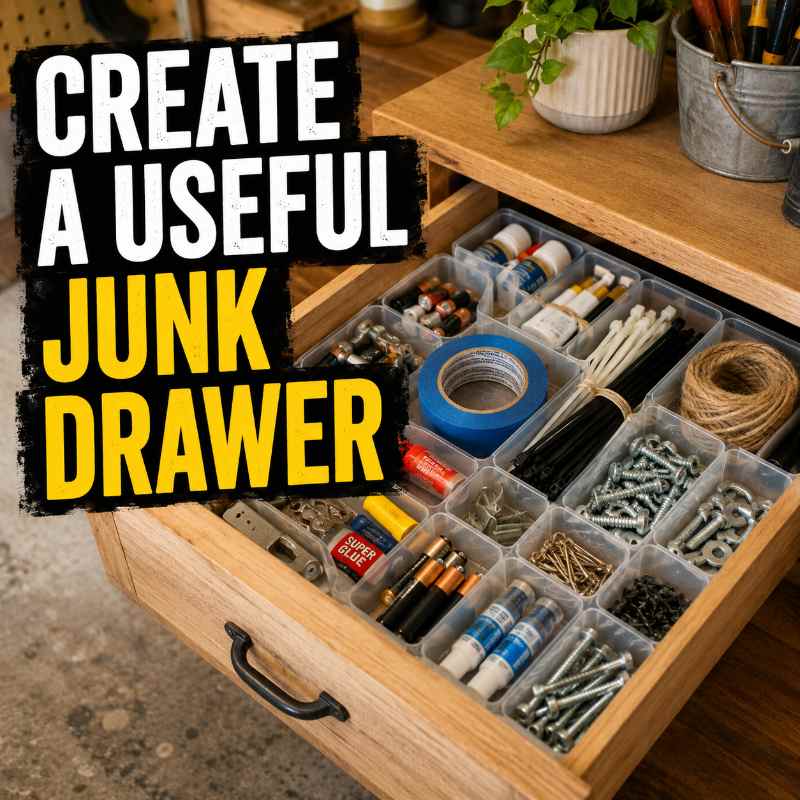
A junk drawer sounds messy, but a good one can save money and time.
The problem is not having a junk drawer. The problem is having a drawer full of rubbish instead of useful bits.
A frugal DIY junk drawer might include:
- Spare screws
- Rubber bands
- String
- Safety pins
- Tape
- Small batteries
- Buttons
- Cable ties
- Picture hooks
- Spare washers
- A small torch
- Labels
- A marker pen
- Tiny containers for sorting bits
This saves money because it stops those annoying little trips to the shop for one screw, one hook, one clip, or one fixing part.
For a bigger list of useful odds and ends worth keeping, add this internal link to The Homestead Junk Drawer: 20 Things Worth Keeping:
https://www.livinggreenandfrugally.com/homestead-junk-drawer-things-worth-keeping/
Tip for doing it right
Use small tubs, jars, or old takeaway sauce pots to divide tiny items. If everything is loose, the drawer becomes stressful instead of useful.
6. Make Basic Laundry Products
Laundry can quietly eat into your budget, especially in a busy household. Detergent, stain remover, fabric softener, scent boosters, dryer sheets, and laundry sanitiser all add up.
A simple homemade laundry soap or laundry booster can help reduce costs, especially if you wash often.
Money-saving laundry DIY ideas include:
- Homemade laundry soap
- Wool dryer balls
- Reusable dryer sheets
- Stain paste made from basic ingredients
- Mesh bags for protecting delicate items
- Line-drying setup indoors or outdoors
You do not need to change everything at once. Try one homemade laundry product and see if it works for your household.
For a useful follow-up, add this guide on which homemade laundry detergent recipe is best:
https://www.livinggreenandfrugally.com/which-homemade-laundry-detergent-recipe-is-best/
Tip for doing it right
Test homemade laundry products on old towels first. Every washing machine, water type, and fabric is slightly different, so it is better to test before using it on your best clothes.
7. Upcycle Old Tyres Into Garden Projects
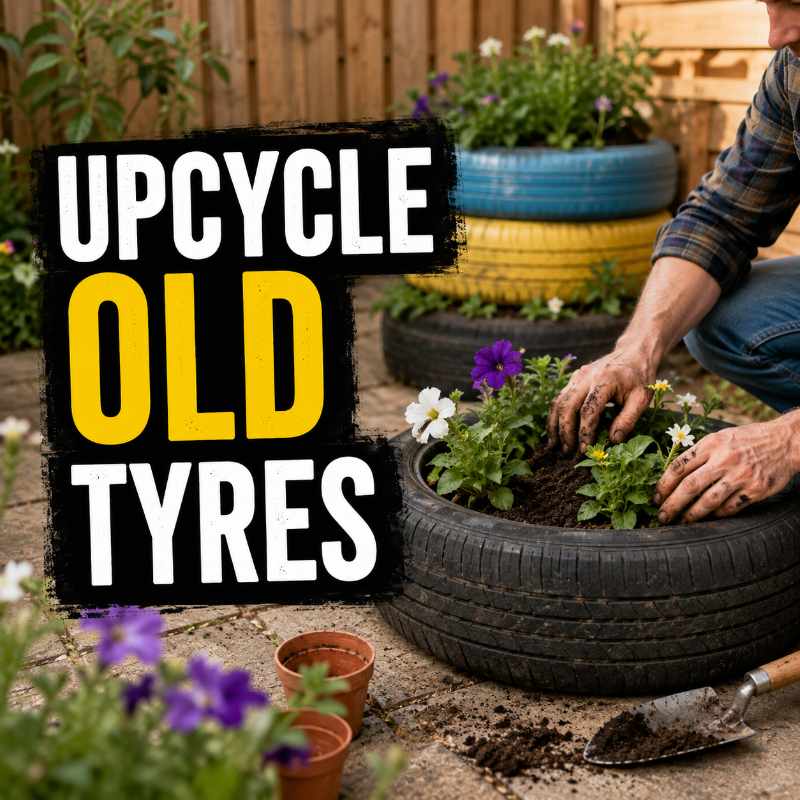
Old tyres can be turned into surprisingly useful garden items. They are strong, weather-resistant, and often free or very cheap if you already have them.
DIY tyre project ideas include:
- Raised planters
- Potato growing towers
- Garden edging
- Outdoor stools
- Mini pond surrounds
- Compost area dividers
- Play area borders
- Rustic garden features
This kind of project is especially good if you like practical garden DIY without spending much money.
For more ideas, add this related article on 20 brilliant ways to reuse and recycle old tires:
https://www.livinggreenandfrugally.com/brilliant-ways-to-reuse-and-recycle-old-tires/
Tip for doing it right
Clean tyres thoroughly before using them and think carefully about where you place them. Once filled with soil, they can be heavy and awkward to move.
8. Build A Small Raised Bed Or Planter
Growing even a little food at home can save money, especially if you grow herbs, salad leaves, tomatoes, strawberries, spring onions, courgettes, or other foods you regularly buy.
A raised bed does not need to be fancy. You can make one from:
- Reclaimed wood
- Pallets, if safe and untreated
- Old bricks
- Logs
- Large containers
- Buckets with drainage holes
- Scrap timber
The biggest saving often comes from growing expensive little extras, such as herbs and salad leaves, rather than trying to replace your whole food shop.
Tip for doing it right
Start small. One well-managed planter is better than six neglected beds. Grow what you already eat, not what looks good online.
9. Fix Draughts Around The Home
Stopping draughts is one of the most underrated money-saving DIY jobs.
Cold air sneaking under doors, around windows, through loft hatches, and around pipe gaps can make a room feel chilly even when the heating is on.
Simple draught-fixing jobs include:
- Adding door draught excluders
- Sealing gaps around windows
- Using thermal curtain liners
- Adding brush strips to doors
- Sealing gaps around pipes
- Fitting a letterbox draught cover
- Using rugs on cold floors
These are not glamorous projects, but they can make your home feel more comfortable and reduce wasted heat.
Tip for doing it right
Do not block proper ventilation, air bricks, extractor fans, or vents needed for appliances. Draught-proofing should stop unwanted gaps, not remove safe airflow.
10. Reuse Fabric For Household Items

Old fabric is far more useful than most people realise. Worn clothes, old bedding, towels, curtains, and tablecloths can often be reused before they go in the bin.
DIY fabric reuse ideas include:
- Cleaning cloths
- Reusable wipes
- Cushion covers
- Simple draught excluders
- Rag rugs
- Pet bedding
- Gift wrap
- Jar covers
- Garden ties
- Patch repairs
This is a great project because it requires little spending. Even if you only have basic sewing skills, you can still make cloths, covers, ties, and simple repairs.
Tip for doing it right
Sort fabric by use. Soft cotton is good for cleaning cloths. Thick towels are good for spills. Strong fabric is better for bags, covers, and repairs.
11. Make Simple Outdoor Repairs
Outdoor items often get replaced too soon. A rusty bench, wobbly gate, tired planter, faded fence panel, or dirty patio furniture may only need a little attention.
Money-saving outdoor DIY projects include:
- Painting a fence
- Replacing a broken gate latch
- Cleaning and oiling wooden furniture
- Repairing planters
- Tightening bench screws
- Repainting garden pots
- Fixing loose paving stones
- Cleaning gutters safely
These small jobs can prevent bigger repairs later. A fence panel that is treated early may last longer. A gate that is fixed now may avoid a more expensive replacement.
Tip for doing it right
Do outdoor repairs before winter where possible. Cold, wet weather can turn small problems into bigger ones.
12. Make Gifts Instead Of Buying Them
Homemade gifts can save money and feel more personal, especially if you already have supplies at home.
Simple DIY gift ideas include:
- Jar mixes
- Homemade candles
- Bath salts
- Herb planters
- Baked goods
- Hand-painted pots
- Framed pressed flowers
- Reused jars filled with sweets or treats
- Homemade cleaning kits
- Small sewing kits
The key is to keep it useful and simple. A homemade gift does not need to look like something from a craft fair. It just needs to feel thoughtful.
Glass jars are especially handy for homemade gifts, storage, and small household projects. You can also link back to 12 things frugal people still save in glass jars here:
https://www.livinggreenandfrugally.com/12-things-frugal-people-still-save-in-glass-jars/
Tip for doing it right
Batch make gifts where possible. If you are making jar gifts, candles, or simple crafts, make several at once to save time and reduce waste.
Common DIY Mistakes That Cost More Money
DIY should save money, not create more problems. Here are a few mistakes to avoid.
Buying too many tools
Borrow, rent, or buy second-hand if it is a tool you may only use once.
Starting without measuring
Measure twice, cut once is popular advice for a reason. Bad measurements waste materials fast.
Choosing the cheapest materials every time
Cheap can be useful, but too cheap can fail quickly. Choose good value, not just the lowest price.
Ignoring safety
Electrical work, gas work, structural changes, and major plumbing jobs may need a qualified professional. Saving money is not worth risking your home or safety.
Taking on too many projects at once
Half-finished projects can waste money and clutter your home. Finish one useful job before starting another.
Quick Tips For Doing Money-Saving DIY Projects Right
- Use what you already have first
- Check your garage, shed, cupboards, and junk drawer before shopping
- Start with small projects that solve real problems
- Keep leftover screws, jars, wood, and fabric organised
- Look for second-hand materials
- Avoid trend-based projects that do not fit your home
- Price up the full project before starting
- Watch out for hidden costs like brushes, fixings, sealant, sandpaper, and storage
- Learn basic repairs before attempting big builds
- Keep safety gear handy, such as gloves, goggles, and a dust mask
FAQs About Money-Saving DIY Projects
What DIY projects save the most money?
The best money-saving DIY projects are usually storage, basic repairs, homemade cleaners, laundry products, garden planters, furniture refreshes, and reuse projects. They save money because they replace things you would otherwise buy.
Is DIY always cheaper than buying?
No, DIY is not always cheaper. If you need lots of expensive tools, specialist materials, or professional-level skills, buying may be cheaper. DIY saves the most money when you already have some supplies or when the finished item would cost a lot to buy.
What is the easiest DIY project for beginners?
A good beginner project is making simple storage from jars, refreshing small furniture, creating homemade cleaners, or building a basic planter. Start with something low-risk and useful.
How can I stop wasting money on DIY supplies?
Plan the project first, write a materials list, check what you already own, and avoid buying full-size products if you only need a small amount. It also helps to keep leftover supplies organised so you can use them again.
What DIY jobs should I not do myself?
Be careful with electrical work, gas work, roofing, major plumbing, structural walls, and anything that could affect safety or insurance. When in doubt, get proper professional advice.
Final Thoughts
The best money-saving DIY projects are not always the prettiest ones. They are the projects that make your home work better, reduce waste, stretch what you already own, and stop you spending money unnecessarily.
Start small. Fix a draught. Reuse a jar. Build one shelf. Make one cleaner. Repair one piece of furniture.
Over time, those little projects build into a more practical, frugal, self-sufficient home. And that is where DIY really shines.