

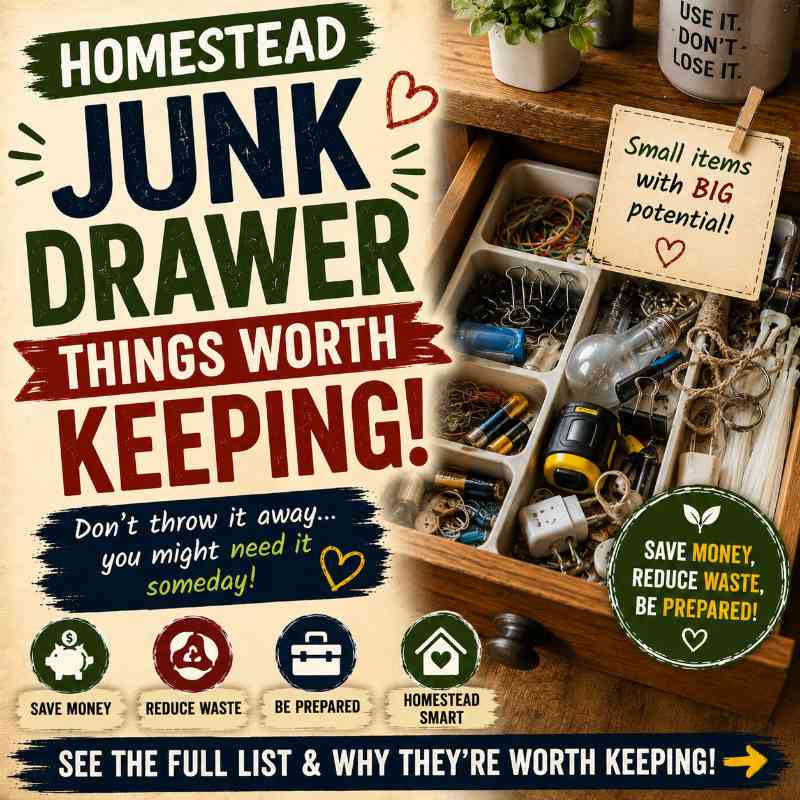
The Homestead Junk Drawer: 20 Things Worth Keeping
Make sure to like Living Green and Frugally on Facebook, Shop at amazon to help support my site and explore our PINTEREST BOARDS for innovative ways you can become self-sufficient.
Every homestead has one.
That drawer in the kitchen, mudroom, shed, utility room, or garage that looks like complete chaos to everyone else, but somehow holds the exact thing you need at the exact right moment.
A spare screw. A bit of string. A rubber band. A safety pin. A tiny torch. A mystery key you are too scared to throw away because the day after you do, you know you will need it.
That is the beauty of the homestead junk drawer. It is not just clutter. Done right, it is a small survival kit, repair station, garden helper, and frugal living secret weapon all rolled into one.
The trick is knowing what is actually worth keeping and what is just taking up space. Here are 20 things worth saving in your homestead junk drawer, plus a few tips to keep it useful instead of messy. 🌿
Why Every Homestead Needs A Junk Drawer
Homesteading is all about making do, fixing things, reusing what you have, and avoiding unnecessary trips to the shop.
A well-stocked junk drawer can help you:
- Fix small problems quickly
- Save money on little supplies
- Reuse items that still have life left in them
- Keep useful bits close to hand
- Be more prepared for everyday mishaps
It does not need to be fancy. In fact, the best junk drawers are usually made from leftover containers, old tins, reused jars, and practical odds and ends.
If you enjoy frugal reuse ideas, you might also like these clever ways to reuse old socks around the home: https://www.livinggreenandfrugally.com/30-uses-old-socks/
1. Rubber Bands
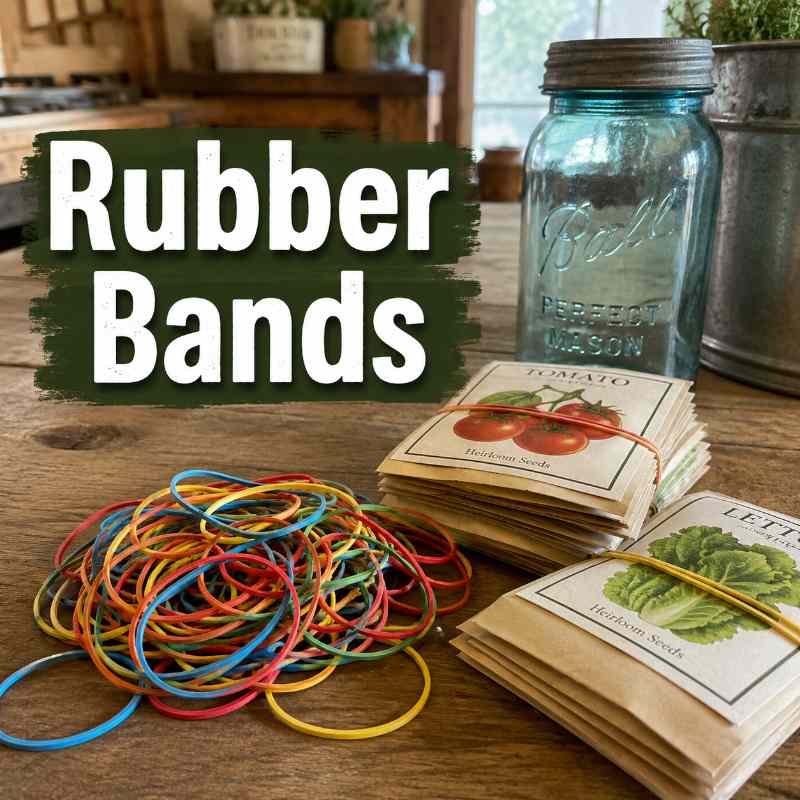
Rubber bands are one of those tiny things you never think about until you need one.
Use them for sealing bags, gripping stubborn lids, bundling seed packets, holding tools together, or keeping rolled-up garden netting tidy.
Keep different sizes if you can. Thick rubber bands are especially useful around the homestead.
For more ideas, save this one too: https://www.livinggreenandfrugally.com/15-great-rubber-band-hacks-for-everyday-life/
2. Twist Ties
Do not throw away twist ties from bread bags, produce bags, or packaging.
They are brilliant for tying up plants, securing cords, closing feed bags, labelling garden rows, and holding small items together.
A handful of twist ties can save you from searching the shed for string when you are in the middle of a job.
3. String And Twine
Small bits of string are always worth saving.
Use them for tying plants, hanging herbs to dry, bundling kindling, repairing garden supports, or making quick labels.
Natural twine is especially handy in the garden because it blends in and can often be composted if it is untreated.
4. Spare Screws And Nails
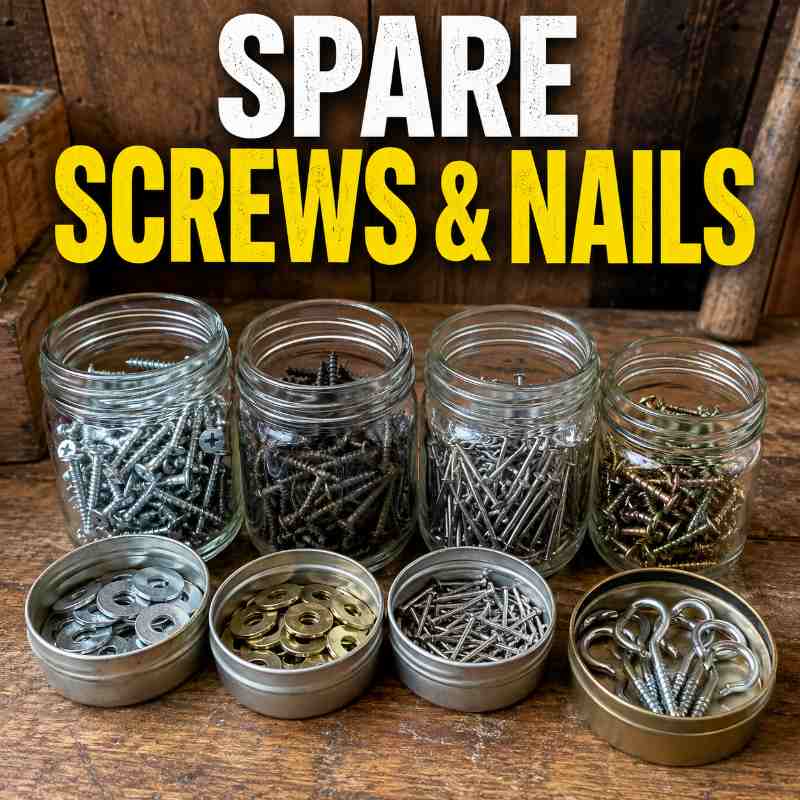
Every homestead junk drawer needs a little stash of screws, nails, washers, and hooks.
You do not need to keep every rusty bit you find, but clean, usable hardware is worth saving.
Keep them in a small jar, tin, or old spice pot so they do not roll around the drawer.
5. Safety Pins
Safety pins are tiny lifesavers.
They can fix clothing, secure fabric, help with quick repairs, replace a missing fastener, or hold things in place temporarily.
Keep a few sizes if you can. Large safety pins are especially useful for bags, tarps, and heavier fabric.
6. Buttons
If you lose a button from a shirt, coat, work trousers, or cushion cover, having a small button stash saves time and money.
Cut buttons off old clothing before turning the fabric into rags.
Store them in a little jar so they are easy to find.
7. Old Keys
Not every key is worth keeping forever, but if you are not sure what it opens, keep it in one labelled spot until you know.
Old keys can belong to sheds, padlocks, toolboxes, gates, windows, filing cabinets, or storage boxes.
Tip: Use masking tape or a key tag to label keys as soon as you identify them.
8. Tape
A small roll of tape is always worth having close by.
Keep masking tape, electrical tape, duct tape, or parcel tape if you have the space.
Tape can help with quick fixes, labelling jars, patching packaging, securing loose cords, or holding things temporarily until you can repair them properly.
9. Small Torch
A little torch or flashlight belongs in every homestead junk drawer.
Power cut? Dropped something behind the cupboard? Need to check a dark shed corner?
You will be glad it is there.
Keep spare batteries nearby too, but do not leave old leaking batteries inside the torch.
10. Batteries
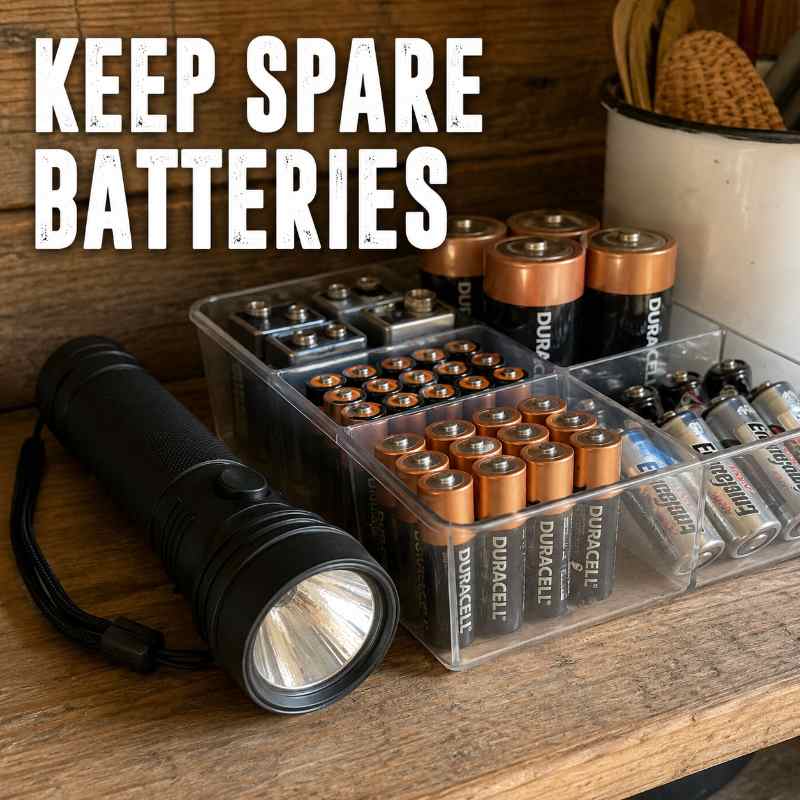
Keep a small battery stash for torches, remotes, clocks, small radios, and other useful household items.
Check them every so often and remove any that are leaking or out of date.
If possible, keep rechargeable batteries in rotation to save money over time.
11. Pencil And Permanent Marker
A pencil is more useful than a pen for damp, dusty, or outdoor jobs.
Use it to mark wood, label plant tags, note measurements, or jot down quick reminders.
A permanent marker is handy for jars, seed packets, freezer bags, storage tubs, and homemade labels.
12. Measuring Tape
A mini measuring tape is one of the best things you can keep in a junk drawer.
You will use it for curtains, shelves, garden spacing, furniture, DIY jobs, storage tubs, and random “will this fit?” moments.
It saves walking to the garage every time you need a quick measurement.
13. Bread Clips
Those little plastic bread clips are more useful than they look.
Use them to label cords, scrape small bits from surfaces, mark tape ends, identify keys, or label seed trays.
They take up almost no space, so they are worth saving.
14. Zip Ties
Zip ties are incredibly useful around a homestead.
Use them to secure fencing, organise cords, repair garden netting, hold tools together, attach labels, or make temporary fixes.
Keep a few small ones and a few heavy-duty ones.
Just remember, they are usually a temporary fix, not a forever repair.
15. Spare Jar Lids
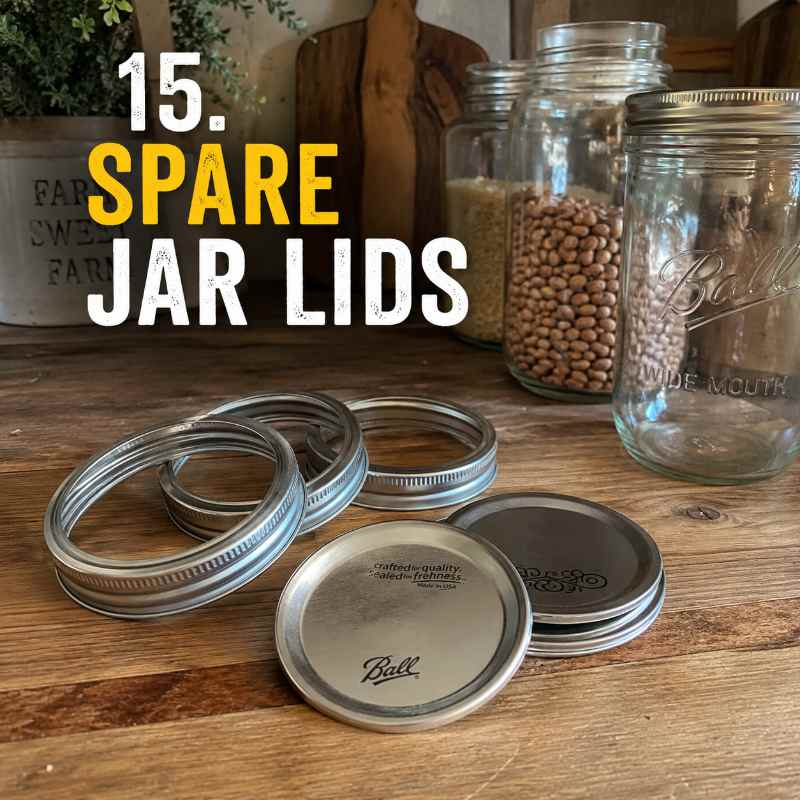
A few spare jar lids can be surprisingly useful.
They can become paint palettes, plant saucers, seed sorters, glue trays, small parts holders, or covers for opened jars.
If you reuse jars for storage, keeping spare lids means you are not stuck with a perfectly good jar and no top.
16. Plant Labels
Old plant labels, lolly sticks, bits of plastic packaging, or cut-up yoghurt pots can all be reused as plant markers.
Keep a few in your junk drawer so they are ready when seed-starting season arrives.
A permanent marker and a plant label stash make garden planning much easier.
17. Small Clips
Binder clips, clothes pegs, bag clips, and old bulldog clips are all worth saving.
Use them for closing packets, holding paperwork, clipping seed packets together, hanging lightweight items, or keeping bags organised.
They are also handy for keeping recipe pages open while cooking.
18. Odd Bits Of Wire
Small pieces of wire can be useful for garden repairs, hanging lightweight items, securing fencing, fixing handles, or tying up awkward things that string cannot manage.
Only keep wire that is clean, safe, and easy to bend.
Avoid sharp rusty scraps that can cut hands or damage the drawer.
19. Takeaway Sauce Pots Or Tiny Containers
Small containers are perfect for storing seeds, screws, beads, buttons, spare washers, or tiny DIY parts.
Instead of letting little items scatter everywhere, group them in small reused tubs.
This is where a junk drawer starts becoming genuinely useful instead of frustrating.
20. Instruction Manuals And Warranty Cards
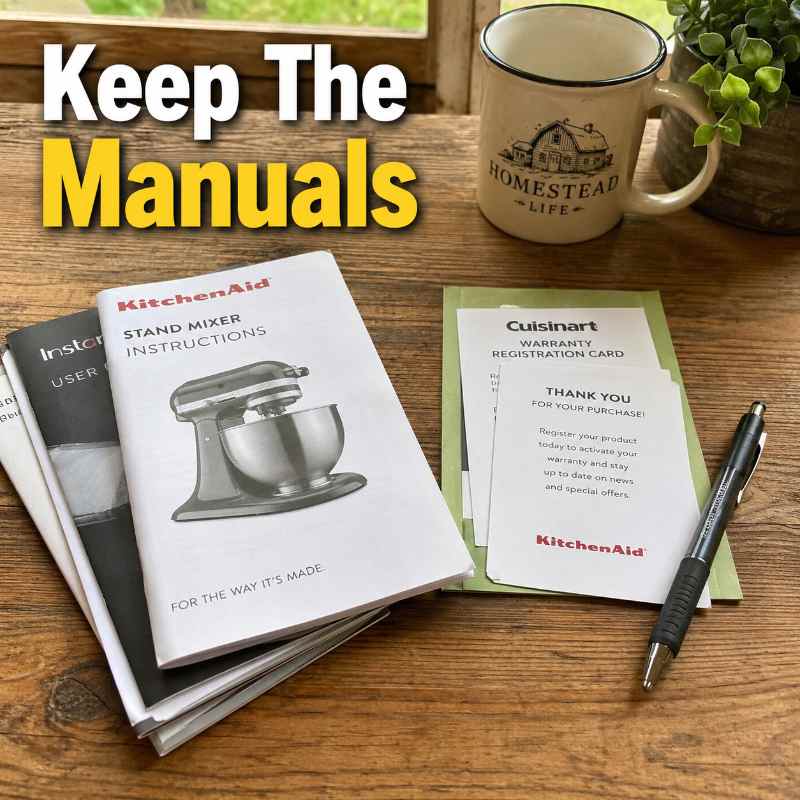
Not every manual needs saving, but small appliance manuals, tool instructions, and warranty cards can be useful.
Keep only the ones you actually need, and write the purchase date on them if possible.
For bigger home organisation ideas, this garage organisation article is a good one to link with this topic: https://www.livinggreenandfrugally.com/28-brilliant-garage-organization-ideas/
How To Organise A Homestead Junk Drawer
The best junk drawer is not spotless. It is practical.
Use small containers to divide items into rough groups:
- Fasteners: screws, nails, washers, hooks
- Fixing bits: tape, zip ties, rubber bands, string
- Labelling items: markers, tags, bread clips
- Emergency bits: torch, batteries, safety pins
- Reuse items: jar lids, buttons, small containers
You do not need to buy organisers. Reused jars, egg cartons, old tins, yoghurt pots, and small cardboard boxes work perfectly.
Things You Should Not Keep In A Junk Drawer
A junk drawer can quickly turn into a clutter drawer if you keep everything.
Try not to keep:
- Dead batteries
- Leaking pens
- Rusty sharp items
- Broken chargers
- Mystery cords you know you will never use
- Dirty packaging
- Dried-up glue
- Random screws that are too damaged to reuse
The goal is useful clutter, not stressful clutter.
Common Mistakes To Avoid
Keeping too much
If the drawer will not close, it is no longer helping you. Keep the useful things and clear out the rest.
Not grouping small items
Loose screws, buttons, and clips quickly turn into a mess. Small jars or tubs make a huge difference.
Forgetting what you already have
Check the drawer before buying small supplies. You may already have exactly what you need.
Letting rubbish creep in
Receipts, food wrappers, broken pens, and random packaging can take over fast. Give the drawer a quick tidy every month.
Quick Tips For A Better Junk Drawer 🌱
- Keep the most-used items near the front
- Use clear jars if you have them
- Label small containers
- Keep sharp items in a separate tin
- Sort it by use, not by looks
- Clean it out at the start of each season
- Keep a small notepad inside for measurements and reminders
FAQs About Homestead Junk Drawers
What should every homestead junk drawer have?
Every homestead junk drawer should have a few basic repair and reuse items such as rubber bands, string, tape, safety pins, screws, batteries, a torch, labels, clips, and a marker.
Is a junk drawer just clutter?
It can be, but it does not have to be. A good junk drawer is controlled clutter. It holds small useful things that help you fix, reuse, organise, and save money.
How often should I clean out my junk drawer?
A quick tidy once a month is enough for most homes. You can also do a bigger sort-out at the start of spring and autumn when gardening and home projects tend to change.
What is the best way to store screws and tiny bits?
Small jars, mint tins, old spice pots, or takeaway sauce tubs work well. The main thing is to stop tiny items rolling loose around the drawer.
Should I keep old cords and chargers?
Only keep them if you know what they are for. If you cannot identify them after a few months, they are usually just taking up space.
Final Thoughts
A homestead junk drawer might not look impressive, but it can be one of the most useful little spaces in the home.
It is where frugal living, DIY repairs, gardening, preparedness, and common sense all meet. The key is to keep things that genuinely help you fix, reuse, mend, label, organise, or save money.
So before you throw away that twist tie, spare button, jar lid, or bit of string, ask yourself one simple question:
Will this save me a trip, a few pennies, or a bit of hassle later?
If the answer is yes, it might just deserve a spot in the homestead junk drawer.