

Don’t Throw Away Your Halloween Pumpkin! 15 Clever Things To Do With It After Halloween

Make sure to like Living Green and Frugally on Facebook, Shop at Amazon to help support my site and explore our PINTEREST BOARDS for innovative ways you can become self-sufficient.
Halloween may be over, but your pumpkin does not have to go straight into the bin. Whether it is still sitting whole by the front door or has spent the week grinning at visitors as a jack-o’-lantern, there are plenty of useful ways to give it a second life.
Before deciding what to do with it, check its condition. An uncarved pumpkin that is still firm and has no mould or soft patches can often be used for cooking. A carved pumpkin that has been outdoors or sitting at room temperature for several days should not be eaten. Painted pumpkins or ones treated with glitter, glue or other decorations should also be kept away from food and animals.
With that in mind, here are 15 ways to make use of your Halloween pumpkin instead of simply throwing it away.
1. Roast the pumpkin
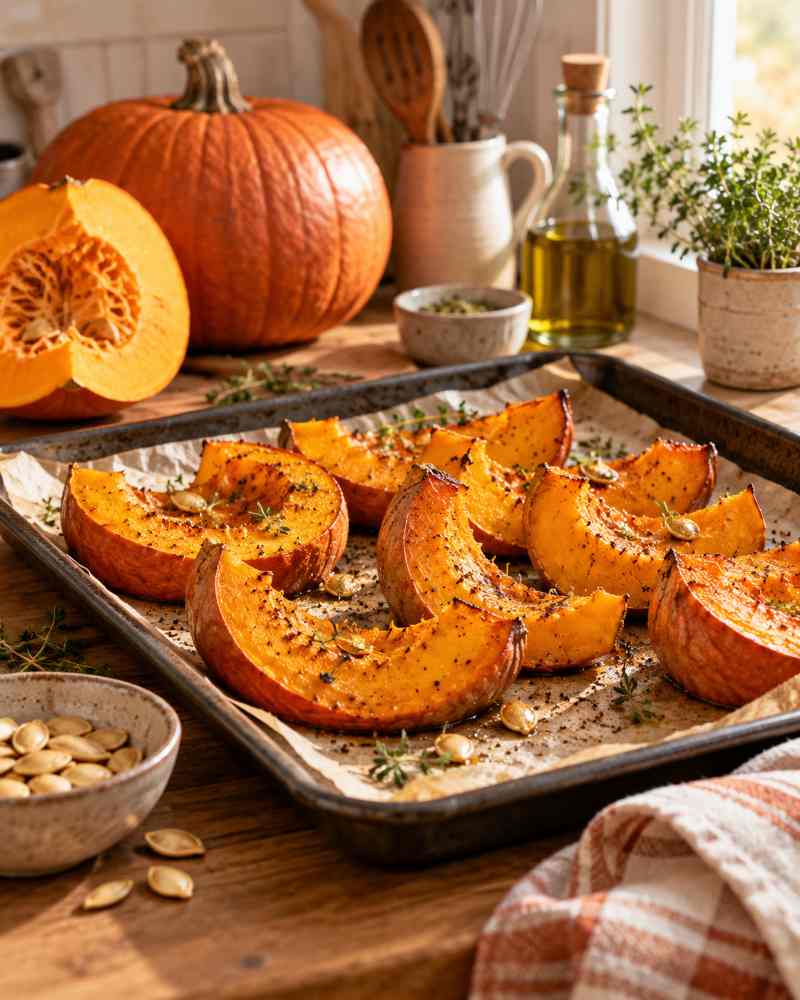
If your pumpkin is still fresh and uncarved, roasting is one of the simplest ways to use it. Cut it into manageable pieces, remove the seeds and stringy centre, then roast the flesh until soft.
Once cooked, the pumpkin can be served as a side dish or added to salads, pasta and grain bowls. Decorative carving pumpkins can be more watery and less sweet than varieties grown specifically for eating, but they are still usable when fresh.
2. Make pumpkin soup
Pumpkin soup is particularly useful when you have a large amount of flesh to use at once. Roasted pumpkin can be blended with onion, garlic and stock, then seasoned to suit your taste.
You can keep it simple or add ingredients such as ginger, chilli, curry spices or coconut milk. It is also easy to make a large batch and freeze portions for another day.
3. Turn it into pumpkin purée
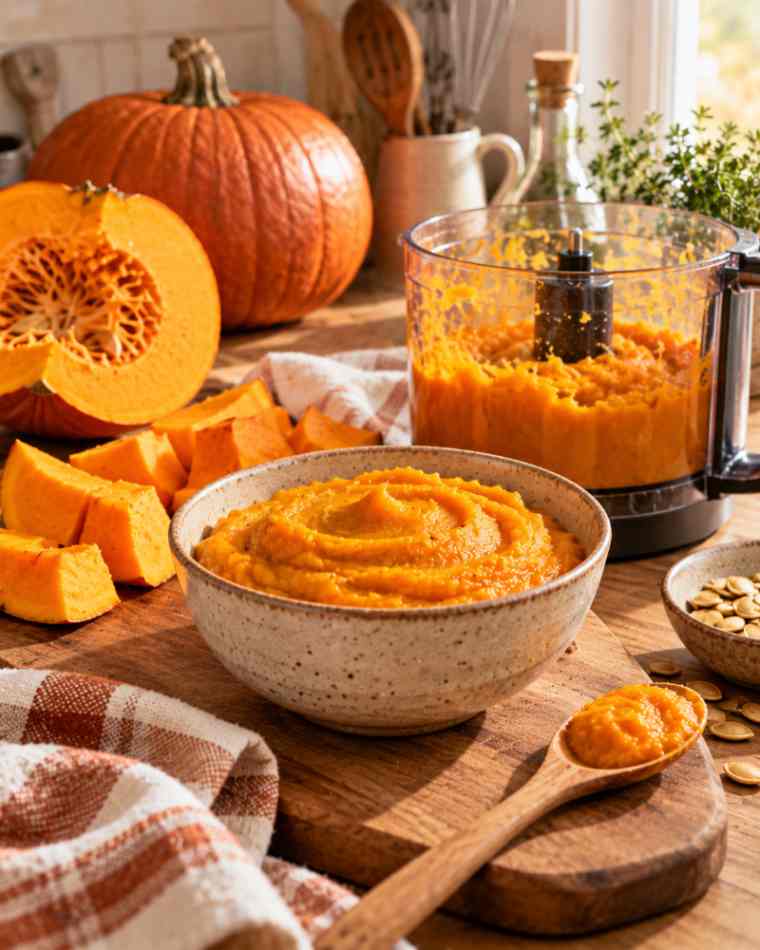
Cooked pumpkin can be blended into a smooth purée and used in all sorts of recipes. It works in cakes, muffins, pancakes, sauces and soups.
If you have more than you need, divide the purée into small containers and freeze it. Freezing it in useful portions means you will not have to defrost a large amount every time a recipe calls for pumpkin.
4. Roast the seeds
The seeds are often thrown away while a pumpkin is being carved, but they make an easy snack.
Separate them from the stringy pulp, rinse them and dry them thoroughly. Toss them with a small amount of oil and your preferred seasoning before roasting until crisp. Salt and pepper work well, although spices such as paprika, cinnamon or chilli can change the flavour completely.
5. Bake something with it
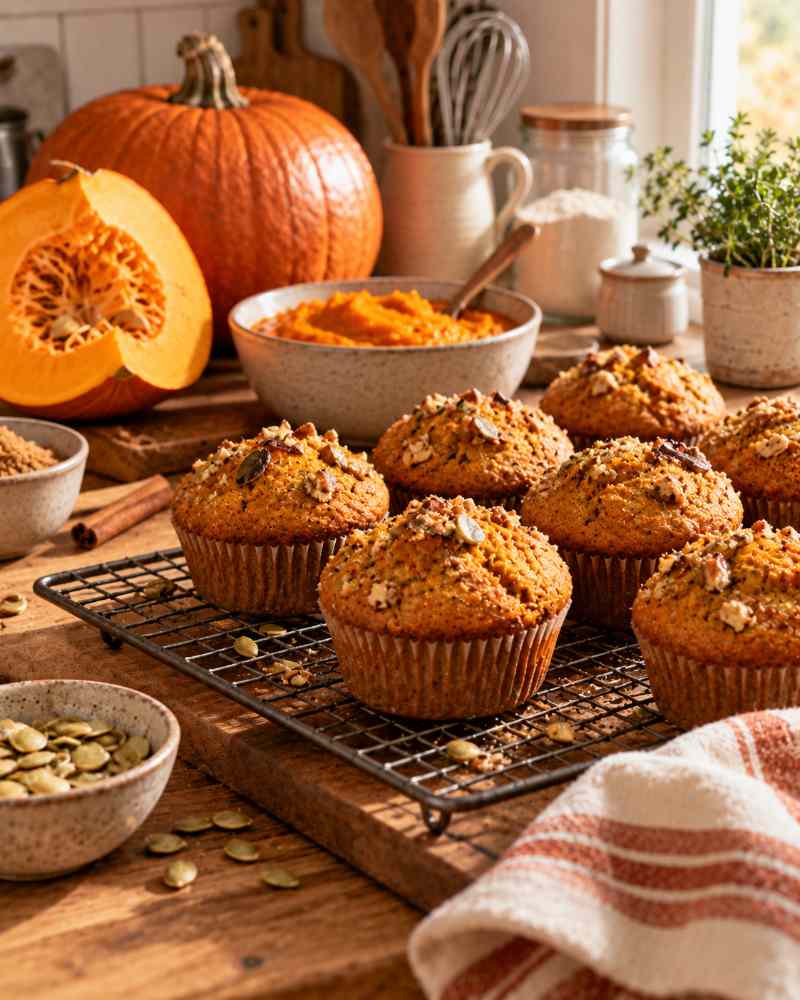
Pumpkin’s mild flavour makes it useful in baking. Fresh pumpkin purée can be added to muffins, cakes, loaves and other baked dishes.
This is particularly handy if you have already roasted a pumpkin but do not want to eat it all as a savoury meal. Just remember that homemade purée can contain more water than canned pumpkin, so some recipes may need a little adjustment.
6. Add it to a curry or stew
Pumpkin does not need to be turned into soup. Chunks of the flesh can be cooked in curries, stews and casseroles, where they soften and absorb the flavours around them.
It pairs well with beans, lentils and many warming spices, making it a practical ingredient for autumn meals. It is also an easy way to use a substantial amount of pumpkin without making it the only flavour in the dish.
7. Make pumpkin pancakes
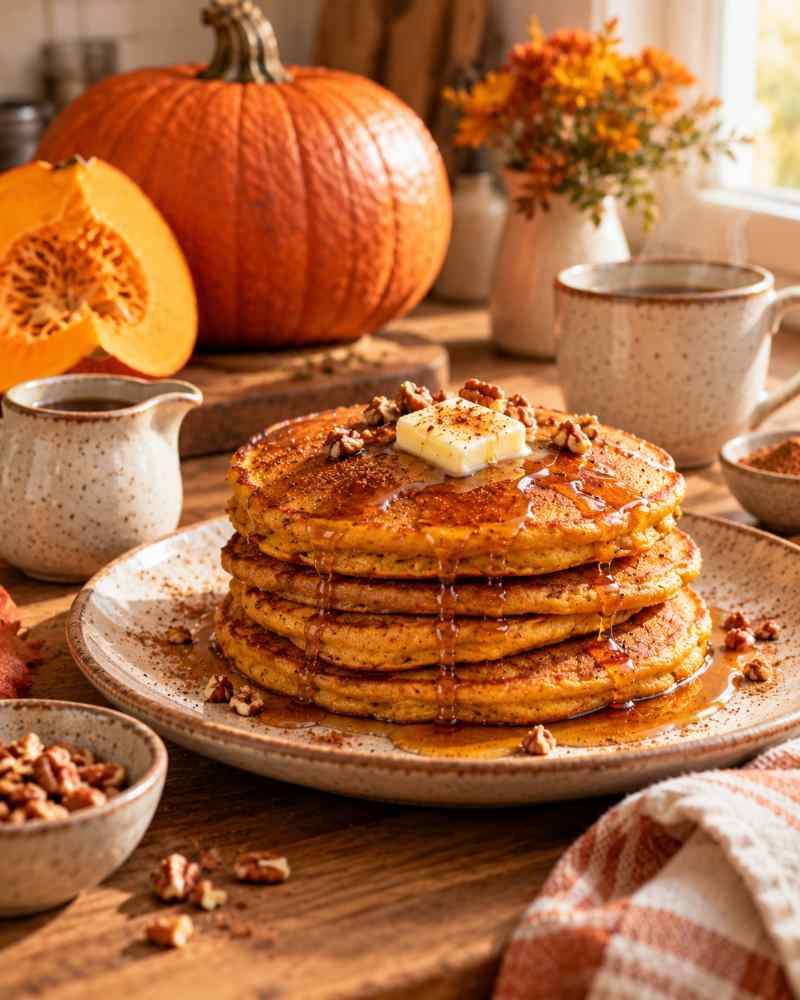
If you have a small quantity of cooked pumpkin left over, add some purée to pancake batter.
Pumpkin gives the pancakes a softer texture and works especially well with cinnamon or other warm spices. It is a simple way to use leftovers without having to prepare another large pumpkin-based meal.
8. Freeze it for later
There is no rule saying your pumpkin has to be used immediately after Halloween.
Fresh pumpkin can be cooked, cooled and frozen for later use. You can freeze chunks or blend them into purée first. Label the container with the contents and date so it does not become one of those mysterious tubs that remains at the back of the freezer for months.
9. Save some seeds for planting
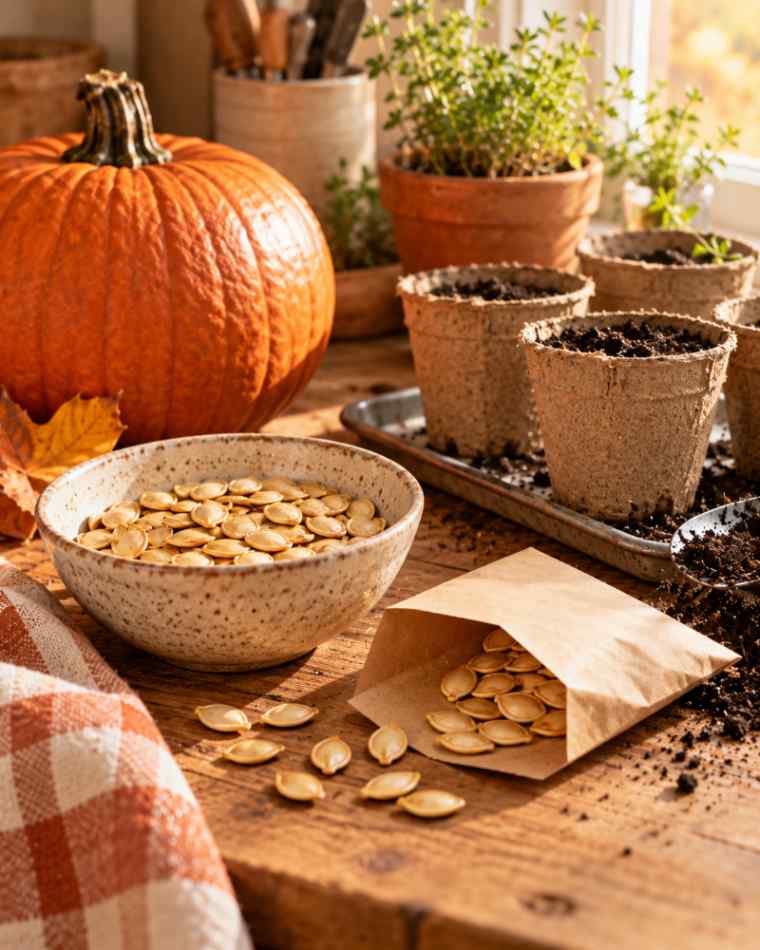
Instead of roasting every seed, you can keep a few for the garden.
Clean the seeds and allow them to dry thoroughly before storing them somewhere cool and dry until planting season. There is one catch: pumpkins grown from saved seeds may not produce fruit exactly like the original, particularly if the parent plant was a hybrid or was cross-pollinated with another variety.
For many home gardeners, however, seeing what grows is part of the fun.
10. Turn the shell into a temporary planter
A hollow pumpkin can make an unusual autumn planter while it is still in reasonable condition.
Fill it with a small amount of compost and add a seasonal plant. Because the pumpkin will eventually soften and decompose, it is best treated as a temporary container rather than a permanent flowerpot.
When it begins to break down, remove any non-biodegradable decorations and add the pumpkin to your compost heap.
11. Add it to your compost
For a carved pumpkin that is no longer suitable for eating, composting is one of the most useful options.
Cut or break the pumpkin into smaller pieces so it decomposes more quickly. Remove candles, stickers, plastic decorations and anything else that will not break down naturally before adding it to your compost.
Mixing the pumpkin with dry material such as fallen leaves, shredded cardboard or small twigs can also help balance a very wet compost heap.
12. Bury it in the garden
If you have suitable garden space but no compost bin, untreated pumpkin can also be chopped up and buried in the soil.
Small pieces will gradually decompose underground. Make sure any paint, wax, plastic, glitter or other artificial decoration has been removed first.
Avoid simply leaving a whole pumpkin on the ground, particularly in a small garden. It will break down much more slowly and may attract unwanted pests.
13. Check whether a local farm or animal sanctuary wants it
Some farms, rescue centres and animal sanctuaries accept unwanted pumpkins as animal food or enrichment.
Do not simply arrive with a car full of old jack-o’-lanterns, though. Different organisations have different rules, and they may refuse pumpkins that are mouldy, painted, carved or contaminated with candle wax.
Contact the organisation first and ask exactly what it can accept.
14. Use it for another autumn decoration
Halloween may be finished, but autumn is not.
An uncarved pumpkin can continue to work as a seasonal decoration for a little longer. Remove obviously Halloween-themed accessories and combine it with fallen leaves, pine cones or other natural materials for a simpler autumn display.
This works best with pumpkins that are still firm. Once they develop soft patches or mould, it is time to compost them rather than trying to squeeze another week out of the display.
15. Have a pumpkin clear-out before next Halloween
Perhaps the most useful idea is also the simplest: change what happens to your pumpkins every year.
Instead of automatically putting them in the general rubbish, decide in advance which will be eaten, which will be decorated without cutting, and which can be composted afterwards. If you enjoy carving several pumpkins, you could also keep some whole so they remain suitable for cooking after Halloween.
A Halloween pumpkin may only spend one night as a decoration, but that does not mean its useful life has to end on 1 November. Whether it becomes soup, roasted seeds, a planter or compost, using what you already have is usually more satisfying than sending the whole thing straight to the bin.