

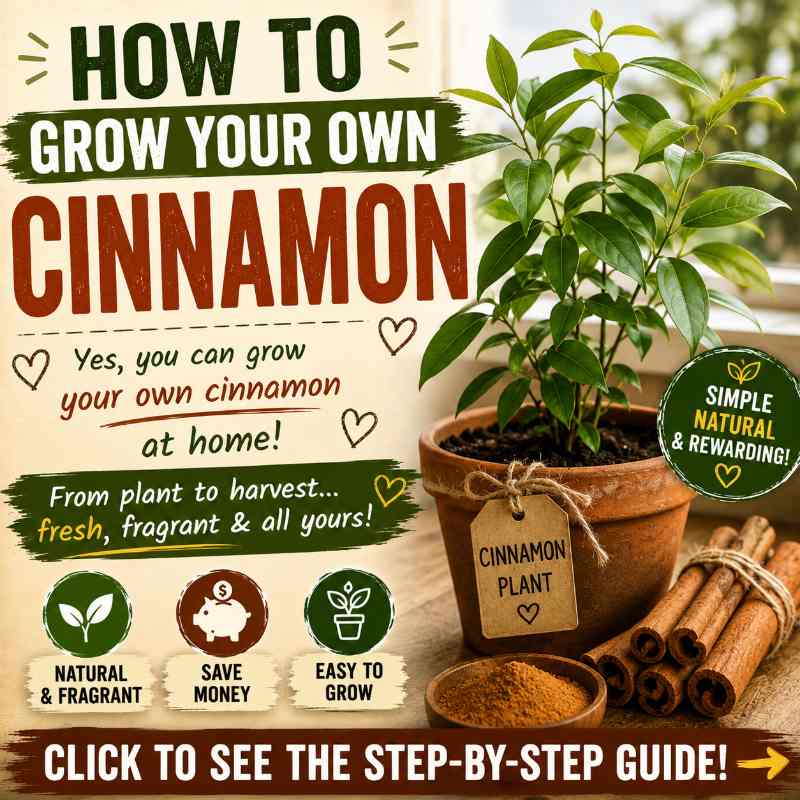
How To Grow Your Own Cinnamon
Make sure to like Living Green and Frugally on Facebook, Shop at Amazon to help support my site and explore our PINTEREST BOARDS for innovative ways you can become self-sufficient.
A Simple Guide To Growing This Amazing Spice At Home
Cinnamon is one of those everyday kitchen spices most people sprinkle into cakes, pies, porridge, hot chocolate, and homemade treats without ever thinking about where it actually comes from. But here is the surprising part: cinnamon does not grow as a powder, a seed, or a little spice pod. It comes from the inner bark of a tropical evergreen tree.
That means yes, you can grow your own cinnamon plant at home, especially if you live in a warm climate or you are happy to grow it indoors in a pot. It is not the fastest spice to harvest, but it is one of the most satisfying plants you can grow because it feels so unusual, beautiful, and old-fashioned.
If you love growing useful plants, herbs, and frugal kitchen ingredients, cinnamon is a brilliant one to try. It looks attractive, smells wonderful when the leaves are rubbed, and with patience, you can eventually harvest small pieces of bark to dry into homemade cinnamon sticks.
What Is Cinnamon? 🌱
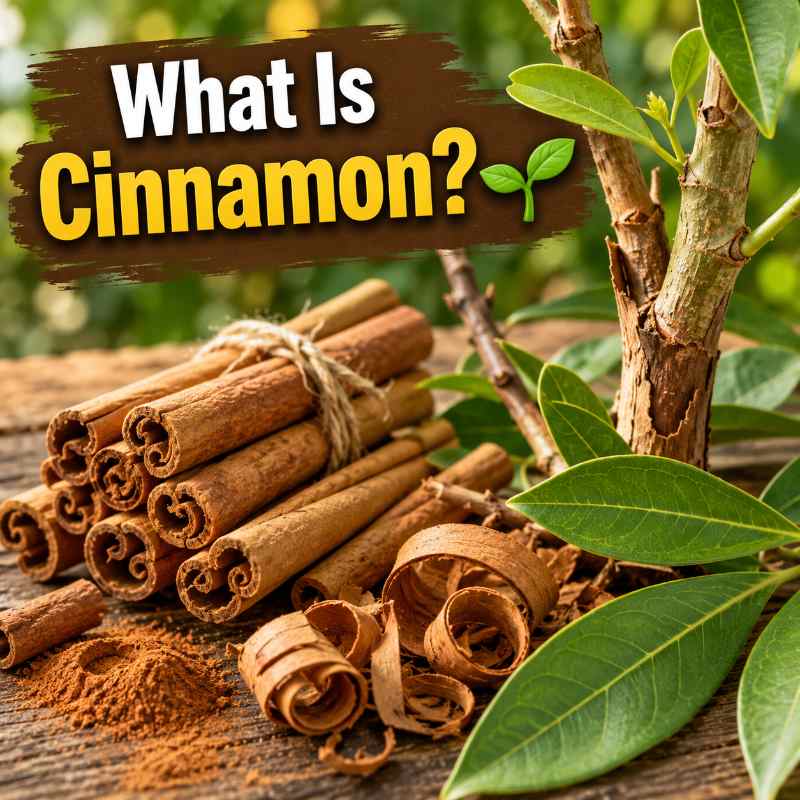
Cinnamon comes from trees in the Cinnamomum family. The type most people think of as “true cinnamon” is Ceylon cinnamon, also called Cinnamomum verum. Another common type is cassia cinnamon, which has a stronger, spicier flavour and is often what you find in supermarkets.
Both come from bark, but Ceylon cinnamon is usually considered sweeter and more delicate. For home growers, Ceylon cinnamon is often the most exciting variety to grow because it is known as true cinnamon and has a lovely fragrance.
Cinnamon trees naturally grow in warm, humid, tropical conditions. They like heat, moisture, good soil, and protection from frost. If you live somewhere cold, do not worry. You can still grow cinnamon as a container plant and bring it indoors during cooler months.
Can You Really Grow Cinnamon At Home?
Yes, you can grow cinnamon at home, but it does need the right conditions.
Cinnamon is best suited to warm climates, but it can also grow in a pot indoors if you can give it plenty of warmth, bright light, and humidity. Think of it more like growing a small tropical tree rather than a normal garden herb.
It will not give you a big harvest overnight. Cinnamon needs time to mature before you can remove any bark. Most home growers keep it for its beauty and fragrance first, then harvest small amounts once the plant is well established.
If you enjoy slow, rewarding gardening projects, this is the sort of plant that feels special every time you look at it.
What You Need To Grow Cinnamon
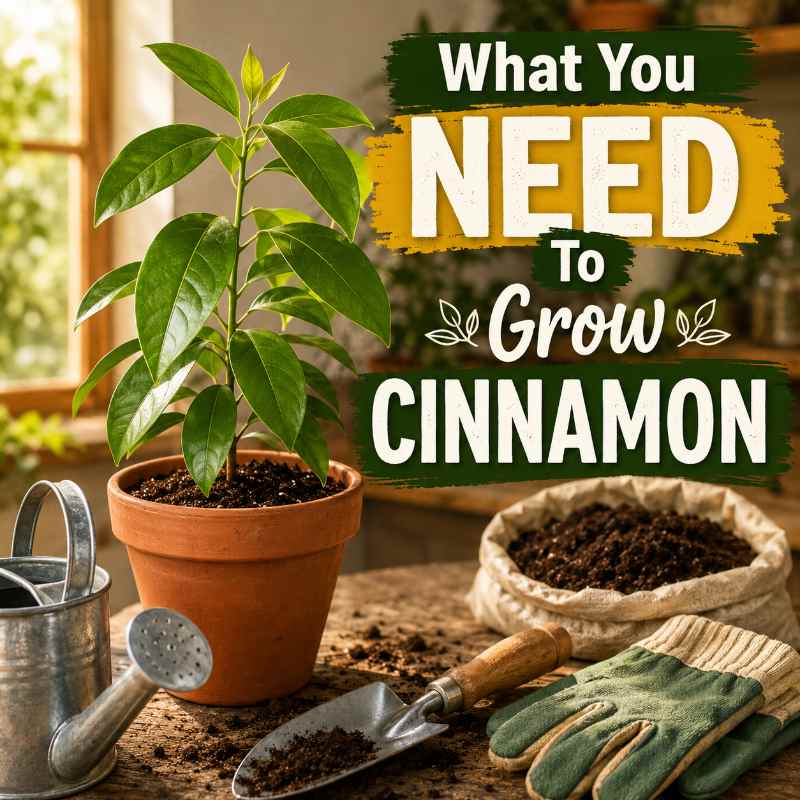
To grow cinnamon successfully, you will need:
A cinnamon plant or fresh seeds
Starting with a young plant is usually easier than growing from seed.
A warm growing space
Cinnamon loves warmth and does not tolerate frost well.
A large pot with drainage holes
If growing indoors or in a cooler climate, a pot makes it easier to move the plant.
Rich, well-draining soil
The soil should hold some moisture but never become soggy.
Bright indirect sunlight
Cinnamon likes good light but young plants may struggle in harsh, direct sun.
Humidity
This plant prefers moist air, so dry indoor rooms can be a challenge.
How To Grow Cinnamon Step By Step 🌿
1. Choose The Right Cinnamon Plant
The easiest way to begin is by buying a young cinnamon plant from a nursery or specialist plant seller. Look for Ceylon cinnamon if you want true cinnamon.
Growing from seed is possible, but cinnamon seeds need to be fresh because they do not always stay viable for long. If you are new to this plant, starting with a small established tree is much easier.
2. Pick A Warm, Bright Spot
Cinnamon needs warmth to grow well. If you live in a tropical or very warm region, it can be grown outdoors in the ground. For most people, a large pot is the better option.
Place the plant somewhere bright, warm, and sheltered. Indoors, a sunny room or bright conservatory can work well. Avoid cold draughts, frosty windowsills, and dark corners.
3. Use The Right Soil
Cinnamon likes soil that is rich but well-draining. A good quality potting mix with added compost is a good start. You want soil that stays slightly moist but does not sit wet.
If the roots stay waterlogged, the plant can struggle. Drainage is very important, so always use a pot with holes in the bottom.
4. Water Carefully
Cinnamon enjoys moisture, but it does not like being drowned. Water when the top layer of soil starts to feel dry. In warm weather, it may need watering more often. In cooler months, it will need less.
A simple rule is this: keep it lightly moist, not soaking wet.
If your indoor air is dry, misting the leaves occasionally or placing the pot near other plants can help create a more humid growing area.
5. Feed During The Growing Season
During spring and summer, cinnamon will benefit from occasional feeding. A balanced liquid plant feed every few weeks can help encourage healthy growth.
Do not overfeed it, especially in winter when growth naturally slows down. Too much fertiliser can stress the plant rather than help it.
6. Prune To Encourage New Shoots
Cinnamon can grow into a tree, but in a pot, you can keep it smaller by pruning. Light pruning encourages bushier growth and helps the plant stay manageable.
This is important because cinnamon bark is harvested from stems, not the main trunk of a tiny young plant. The more healthy shoots it produces over time, the better your future harvest may be.
How To Harvest Cinnamon Bark
This is the exciting part, but patience matters.
Wait until your cinnamon plant is well established before harvesting. Do not strip bark from a young or weak plant. Once the plant has mature stems, you can cut a stem and carefully scrape away the outer bark. The inner bark is the part used for cinnamon.
As the inner bark dries, it curls naturally into small cinnamon sticks. These can then be stored in an airtight jar.
For home use, your harvest may be small, but that is part of the charm. Homemade cinnamon is not about producing supermarket-sized jars. It is about growing something unusual and useful from scratch.
Can You Use Cinnamon Leaves?
Yes, cinnamon leaves are aromatic too. They are not the same as cinnamon bark, but they can be used carefully for fragrance, homemade potpourri, or infusions. Always make sure you have correctly identified the plant before using any leaves, and use them sensibly.
Best Tips For Growing Cinnamon Successfully 🌿
Keep it warm
Cinnamon hates frost and cold conditions.
Do not overwater
Moist soil is good, soggy soil is not.
Increase humidity indoors
Dry central heating can make tropical plants unhappy.
Be patient
Cinnamon is a slow reward plant, not a quick crop.
Grow it in a pot if you live somewhere cool
This lets you move it indoors when temperatures drop.
Use pruning to control size
This helps keep the plant bushy and easier to manage.
Common Problems When Growing Cinnamon
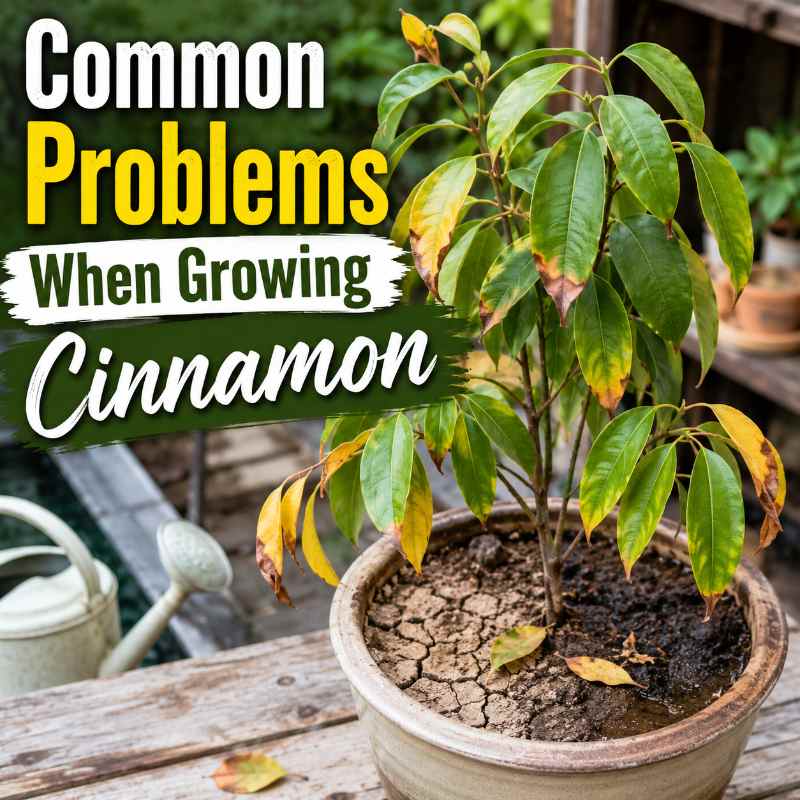
Yellow leaves
Yellow leaves can happen from overwatering, poor drainage, or lack of nutrients. Check the soil first. If it feels constantly wet, let it dry slightly before watering again.
Brown leaf tips
This often happens when the air is too dry. Increase humidity around the plant and keep it away from heaters.
Slow growth
Cinnamon grows slowly, especially in cooler homes. More warmth, better light, and gentle feeding in the growing season can help.
Dropping leaves
Sudden temperature changes, cold draughts, or dry air can cause leaf drop. Move the plant to a steadier, warmer location.
Frequently Asked Questions
How long does cinnamon take to grow?
Cinnamon is a slow-growing plant. You may need to wait a few years before harvesting bark. It is best grown as a long-term plant rather than a quick crop.
Can cinnamon grow indoors?
Yes, cinnamon can grow indoors if it has warmth, bright light, and enough humidity. A pot is ideal because you can move it around as needed.
Does cinnamon need full sun?
Cinnamon likes bright light, but young plants often do better with bright indirect light rather than harsh direct sun all day.
Can cinnamon survive winter?
Cinnamon does not like frost. In cold climates, it should be grown in a pot and brought indoors before temperatures drop too low.
Is cinnamon hard to grow?
It is not difficult if you can provide warmth and moisture, but it does need patience. The hardest part is waiting long enough for the plant to mature.
Can I grow cinnamon from supermarket cinnamon sticks?
No, supermarket cinnamon sticks are dried bark and will not grow into a plant. You need fresh seeds or a living cinnamon plant.
Final Thoughts 🌿
Growing your own cinnamon is one of those gardening projects that feels almost magical. It turns an everyday kitchen spice into a real plant you can care for, prune, smell, and eventually harvest.
It may not be the fastest thing you ever grow, but it is a wonderful choice if you enjoy unusual edible plants, tropical greenery, and old-fashioned self-sufficiency. With warmth, patience, and the right care, your cinnamon plant can become a beautiful and useful addition to your home or garden.
So next time you sprinkle cinnamon into a recipe, remember this: that cosy little spice once came from the bark of a tree, and with a little effort, you can grow your own too.