

State By State, Rainwater Harvesting legislations
Make sure to like Living Green and Frugally on Facebook, Shop at amazon to help support my site and explore our PINTEREST BOARDS for innovative ways you can become self-sufficient.
💧 Is Collecting Rainwater Illegal in Your State? The Shocking Truth
This might sound bizarre… but in many places across the U.S., it’s actually illegal (or at least restricted) to collect the rain that falls on your own roof. 😲 That’s right—laws restricting property owners from diverting and storing rainwater have been on the books for decades, especially in Western states.
At first glance, the idea seems crazy. Rain falls on your land… shouldn’t you be able to use it? 🌧️ But here’s the twist: as droughts worsen and water scarcity becomes a bigger issue, individuals and governments are clashing over who “owns” that water once it falls from the sky.
🌿 What Exactly Is Rainwater Harvesting?
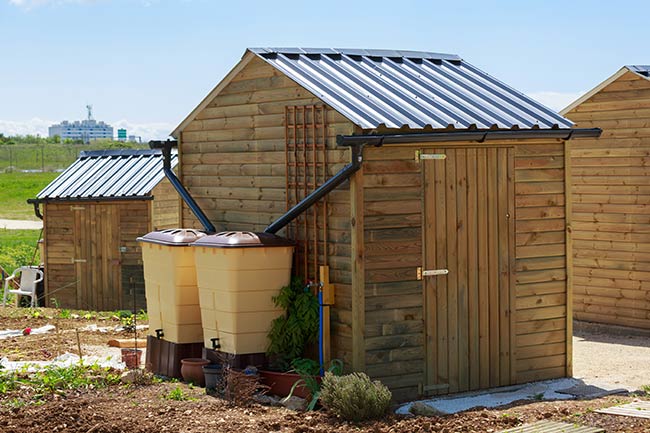
Rainwater harvesting is simply the practice of collecting and storing rainwater before it seeps into the ground or flows away. People have been doing it for centuries. The water can be reused for:
- 🌱 Gardening and irrigation
- 🐓 Watering livestock
- 🏡 Household uses (heating, flushing, sometimes even drinking water if filtered)
- 💧 Emergency reserves
It’s sustainable, eco-friendly, and can even reduce water bills. But in some regions, authorities argue that capturing too much water reduces flow to streams, rivers, and underground aquifers that other communities rely on.
⚖️ Why You Should Care
Here’s why this issue matters to you:
- 🌍 Water Security – Having your own stored supply protects you during droughts or emergencies.
- 💵 Save Money – Lower utility bills by using rain instead of city water.
- 🌱 Sustainability – Reduce strain on municipal systems and live more self-sufficiently.
- 🚨 Avoid Fines – In some states, rainwater collection without following the law can get you in serious trouble.
❓ Common Questions People Ask
Is rainwater harvesting legal everywhere?
No—some states encourage it, others restrict it, and a few ban large-scale collection without permits.
Can I drink collected rainwater?
Yes, but only if properly filtered and treated. Otherwise, stick to gardening and irrigation use.
Why would states ban it?
Because they argue water rights belong to the public, not individuals, and rerouting too much rain could impact rivers, wells, and agriculture downstream.
👉 Click the link below to see state-by-state laws on rainwater harvesting before you set up your own system! State By State, Rainwater Harvesting legislations