

Why Everyone Is Putting Buckets In Their Garden This Year 🪣🌱
It sounds almost too simple, doesn’t it?
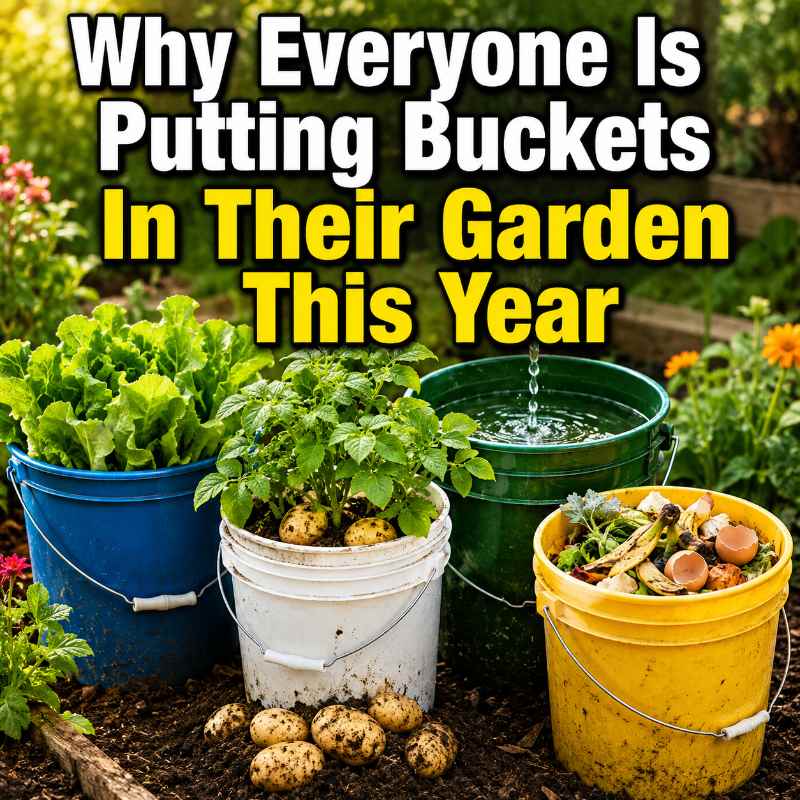
A few old buckets. A bit of soil. Maybe some kitchen scraps. Maybe a potato or two. Suddenly, people are turning ordinary plastic buckets into one of the most useful garden tools of the year.
And honestly, it makes sense.
With food prices still squeezing household budgets, more people are looking for cheap, practical ways to grow food, save water, reduce waste, and make their gardens work harder. You do not need a huge vegetable patch. You do not need expensive raised beds. You do not even need a “perfect” garden.
Sometimes, all you need is a bucket.
This old-school idea is making a big comeback because it is cheap, easy, space-saving, and surprisingly useful. Whether you live on a small patio, have a backyard, or just want to grow a bit more food without spending a fortune, buckets might be the garden hack you didn’t know you needed. 🪴
Why Buckets Are Suddenly Showing Up In Gardens Everywhere
People love garden trends that are cheap, useful, and easy to try. Buckets tick every box.
A bucket can become:
- A mini vegetable planter
- A potato growing container
- A compost starter
- A rainwater collector
- A weed carrier
- A tool holder
- A slug trap
- A temporary plant protector
- A small-space garden solution
That is why this simple idea is getting attention. It takes something most people already have lying around and turns it into something productive.
The best part? You can start with one bucket and build from there.
No fancy equipment. No big investment. No complicated setup.
Just a bucket, a few holes, and a bit of garden common sense. 🌿
1. Bucket Potatoes Are A Budget Gardener’s Dream 🥔
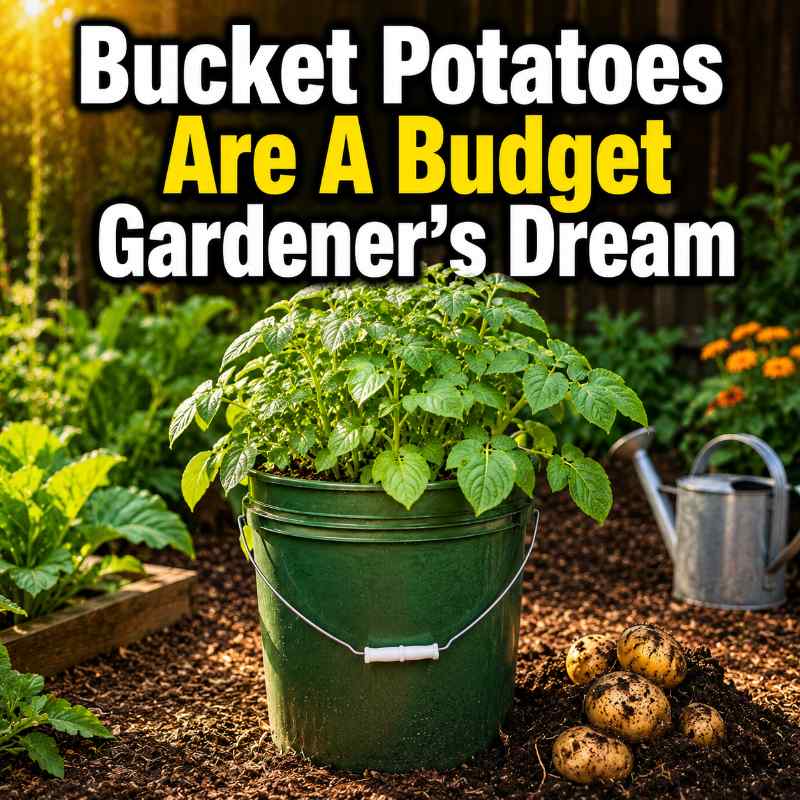
One of the most popular ways people are using buckets is for growing potatoes.
Potatoes are perfect for buckets because they do not need a large garden bed. They grow underground, they are easy for beginners, and harvesting them from a bucket feels like digging for treasure.
To grow potatoes in a bucket:
- Choose a strong bucket, ideally around 5 gallons or larger.
- Drill drainage holes in the bottom.
- Add a layer of compost or soil.
- Place 1 or 2 seed potatoes inside.
- Cover with more soil.
- As the green shoots grow, keep adding more soil around the stems.
- Water regularly but do not let the bucket sit soggy.
When the plant starts yellowing and dying back, tip the bucket out and collect your potatoes.
It is simple, fun, and brilliant for families. Kids especially love seeing how many potatoes are hiding inside.
Why people love it:
Bucket potatoes make growing food feel possible, even if you only have a patio, driveway, balcony, or small backyard.
2. Bucket Composting Turns Scraps Into Garden Gold 🍌🌿
Another reason buckets are popping up everywhere is because they are great for small-scale composting.
Not everyone has space for a big compost bin. Some people do not want a large compost pile in the garden. Others just want something quick and simple for kitchen scraps.
That is where bucket composting comes in.
You can use a lidded bucket to collect:
- Fruit and vegetable peelings
- Coffee grounds
- Tea bags, if plastic-free
- Crushed eggshells
- Small amounts of shredded cardboard
- Garden clippings
- Dead leaves
A bucket makes it easier to collect scraps before moving them to a compost bin or wormery. Some gardeners also use drilled buckets buried partly in the soil as mini compost feeders. The scraps break down slowly and feed the surrounding plants.
This is especially useful near hungry crops like tomatoes, courgettes, pumpkins, and beans.
Just avoid adding meat, dairy, oily food, cooked leftovers, or anything that may attract pests.
Why this matters:
Food waste is money waste. Turning scraps into compost helps feed your soil instead of filling your bin.
3. Buckets Make Brilliant Mini Container Gardens 🥬
If you have ever priced up large garden pots, you will know they can get expensive fast.
Buckets are a cheaper alternative.
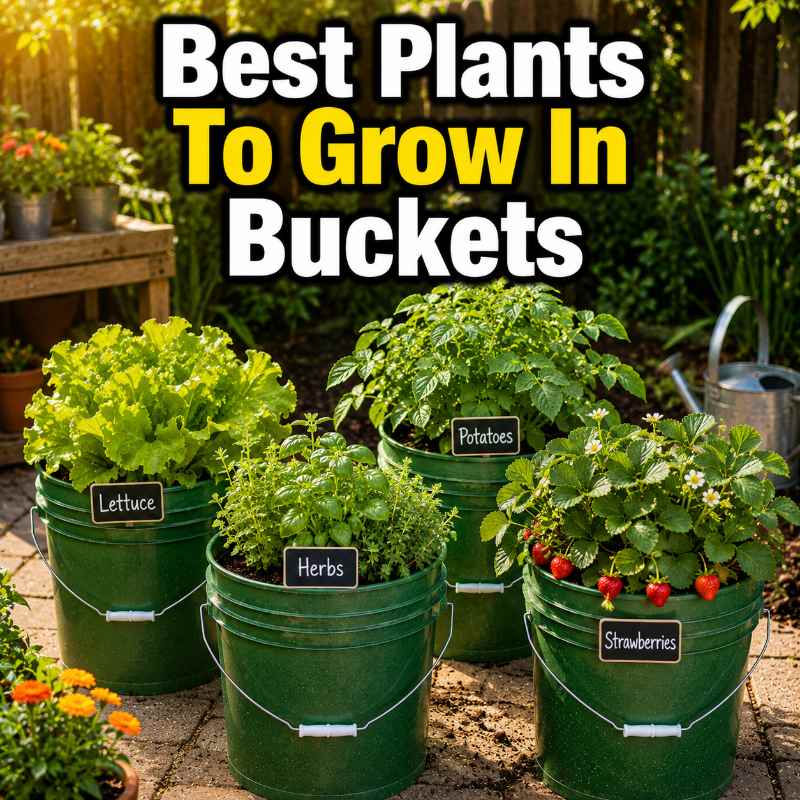
With drainage holes added, a bucket can grow all sorts of plants, including:
- Lettuce
- Spinach
- Herbs
- Spring onions
- Radishes
- Dwarf tomatoes
- Peppers
- Strawberries
- Nasturtiums
- Marigolds
This is why bucket gardening is so good for beginners. You can start small, learn as you go, and move the buckets around if needed.
Too much sun? Move the bucket.
Frost warning? Carry it closer to the house.
Slug problem? Raise it off the ground.
Poor soil? It does not matter because you control what goes inside the bucket.
For renters, this is a huge bonus. You can grow food without digging up the garden or making permanent changes.
4. Buckets Help Save Water In The Garden 💧
Water is one of the most valuable things in the garden, especially during dry spells.
Buckets can help in several ways.
You can use them to:
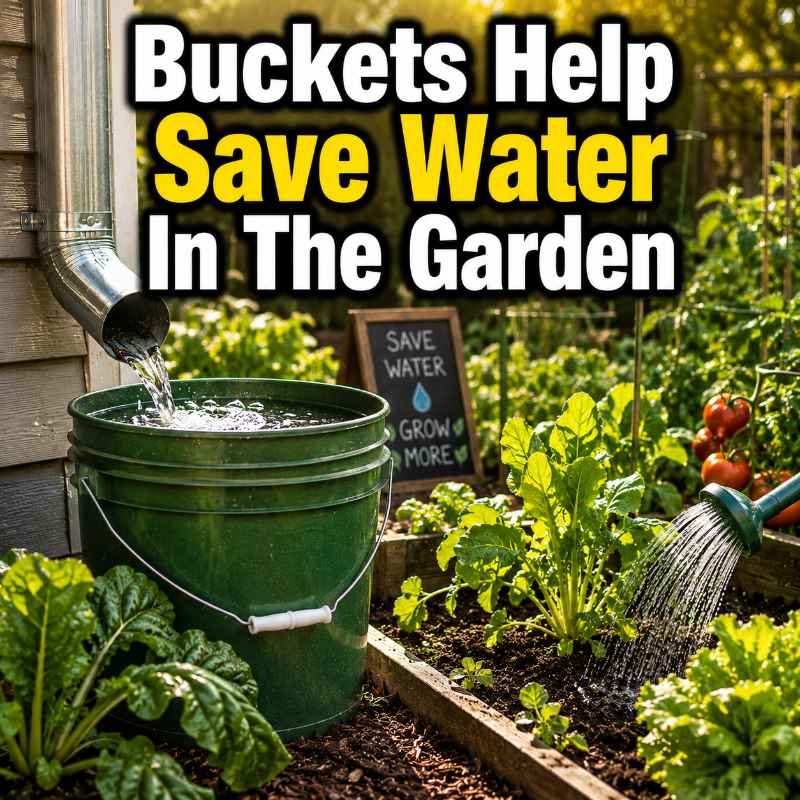
- Catch rainwater from small roofs, sheds, or greenhouse edges
- Carry grey water from rinsing vegetables
- Soak plant pots from the bottom
- Make liquid plant feed
- Create slow-release watering systems
- Store water near thirsty plants
One clever trick is to drill tiny holes near the bottom of a bucket, place it beside a thirsty plant, fill it with water, and let it slowly seep into the soil.
This helps water reach the roots instead of running across the surface.
It is especially handy for tomatoes, squash, pumpkins, cucumbers, and newly planted shrubs.
5. Bucket Gardens Are Perfect For Small Spaces 🏡
Not everyone has a big homestead-style garden.
Some people have a patio. Some have a rented yard. Some have a balcony. Some only have a sunny doorstep.
That is why bucket gardening is so appealing.
Buckets let you grow food vertically, move plants around, and fit more growing space into awkward corners.
A row of buckets along a fence can become a mini food garden. A few buckets by the back door can grow herbs for cooking. A sunny driveway can become a surprisingly productive vegetable patch.
This is the kind of gardening that feels doable.
And that is important.
A lot of people want to grow food but feel overwhelmed by raised beds, soil problems, tools, and complicated advice. Buckets remove that pressure.
You can start with one plant in one bucket.
That is still gardening. 🌱
What Most People Do Wrong With Bucket Gardening
Buckets are easy to use, but there are a few mistakes that can ruin your results.
The biggest mistake is forgetting drainage holes.
Plants hate sitting in soggy soil. Without holes, rainwater collects at the bottom and roots can rot.
Other common mistakes include:
- Using buckets that held unsafe chemicals
- Planting too many crops in one bucket
- Letting the soil dry out completely
- Using poor-quality soil
- Forgetting to feed hungry plants
- Putting shade-loving plants in full sun
- Choosing buckets that are too small
Also, be careful with very dark buckets in hot weather. They can heat up quickly in strong sun, which may stress roots.
A simple fix is to place them where they get morning sun and afternoon shade, or wrap the outside with hessian, cardboard, or light-coloured material.
Best Plants To Grow In Buckets 🌶️🥕🌿
Some crops are better suited to bucket growing than others.
Here are some beginner-friendly options:
Best easy crops:
- Potatoes
- Lettuce
- Herbs
- Radishes
- Spring onions
- Strawberries
- Cherry tomatoes
- Dwarf beans
- Peppers
- Spinach
Best herbs for buckets:
- Basil
- Parsley
- Mint
- Chives
- Thyme
- Coriander
- Oregano
Mint is especially good in a bucket because it spreads aggressively in the ground. Keeping it contained stops it taking over your garden.
Why This Bucket Trend Actually Makes Sense
This is not just another silly garden fad.
Buckets solve real problems.
They help people:
- Grow food cheaply
- Reuse old materials
- Garden in small spaces
- Save water
- Reduce food waste
- Move plants around easily
- Avoid poor soil
- Start gardening without pressure
There is also something wonderfully nostalgic about it.
Many of us remember grandparents or older neighbours using whatever they had to grow food. Old tubs, buckets, barrels, crates, tins, and broken containers were never wasted. They were turned into something useful.
That “make do and grow” attitude is coming back in a big way.
And honestly, grandma probably knew best. 🪣🌿
Quick Tips For Using Buckets In The Garden
Before you start filling every bucket you own with soil, keep these tips in mind:
- Always add drainage holes for plants.
- Wash buckets thoroughly before use.
- Avoid buckets that held paint, chemicals, oils, or unknown substances.
- Use food-safe buckets when growing edible crops if possible.
- Raise buckets slightly off the ground for better drainage.
- Add mulch on top to stop soil drying out.
- Feed container plants regularly because nutrients wash out faster.
- Group buckets together to make watering easier.
- Label your buckets so you remember what you planted.
- Start small and expand once you know what works.
A bucket garden does not need to look messy either. You can paint buckets, wrap them in natural fabric, group them neatly, or place them in wooden frames for a more attractive look.
Common Questions About Bucket Gardening
Can I grow vegetables in any bucket?
Not always. For edible crops, it is best to use clean buckets that have not held chemicals, paint, oil, or anything unsafe. Food-grade buckets are ideal.
Do buckets need drainage holes?
Yes, if you are growing plants in them. Without drainage holes, water can collect at the bottom and cause root rot.
What size bucket is best for potatoes?
A 5-gallon bucket or larger works well for a small potato crop. Bigger containers usually give the plants more room and may produce better results.
Can I compost directly in a bucket?
Yes, but it depends how you use it. A lidded bucket is great for collecting scraps before adding them to a compost bin. Some gardeners also bury drilled buckets in the soil as mini compost feeders.
Do bucket gardens dry out quickly?
They can, especially in hot weather. Buckets hold less soil than garden beds, so they often need more regular watering.
Can I use buckets on a balcony?
Yes, but check weight limits first. Wet soil can be heavy, especially in larger buckets. Choose lighter crops and make sure water can drain safely.
What is the easiest thing to grow in a bucket?
Herbs, lettuce, radishes, spring onions, and potatoes are all good beginner choices.
Final Thoughts: The Humble Bucket Is Having A Garden Moment 🪣
Sometimes the best garden ideas are not expensive, complicated, or fancy.
Sometimes they are sitting in the shed.
The reason everyone is putting buckets in their garden this year is simple: they work.
They help people grow more food, waste less, save water, and make use of small spaces. They are practical, affordable, and beginner-friendly. Whether you use one for potatoes, compost scraps, rainwater, herbs, or a mini container garden, a bucket can do far more than most people realise.
So before you throw an old bucket away, ask yourself one question:
Could this grow something?
Because this year, that ordinary bucket might just become the most useful thing in your garden. 🌱