

10 Backyard Mistakes That Are Costing You Free Food
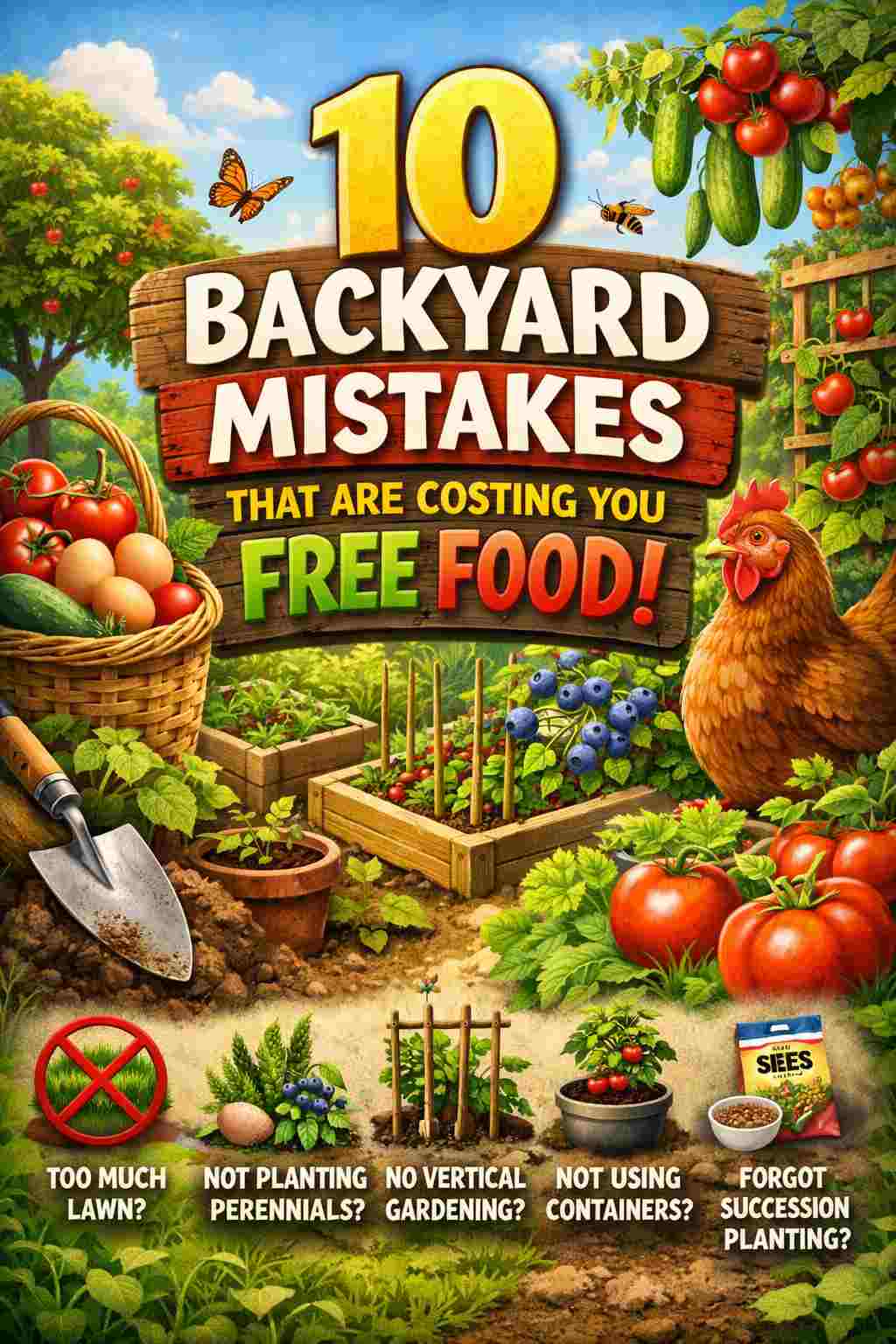
Imagine walking into your backyard and picking fresh tomatoes, herbs, berries, eggs, or greens whenever you want. No supermarket trip. No rising food prices. Just fresh, free food growing right outside your door.
Yet most people unknowingly sabotage their own backyard harvest without realizing it. The truth is that many backyards have untapped food potential. A small garden, a few containers, or even a tiny corner of lawn can produce surprising amounts of food.
But common mistakes stop people from harvesting hundreds or even thousands of pounds of food every year.
If you want to turn your yard into a productive food source instead of wasted space, avoid these backyard mistakes that are quietly costing you free food.
🌱 Why Your Backyard Could Be Producing Free Food
A typical backyard has the potential to grow:
• Vegetables
• Herbs
• Fruit trees
• Berry bushes
• Edible flowers
• Chickens for eggs
• Perennial food plants
Even a small backyard garden can produce hundreds of pounds of food each year if managed correctly.
But many homeowners accidentally limit their harvest simply because they follow traditional landscaping ideas instead of food-producing strategies.
Let’s look at the most common mistakes.
10 Backyard Mistakes That Are Costing You Free Food
1. Growing Grass Instead of Food
Lawns are one of the biggest wasted opportunities in most yards.
Grass requires:
• Water
• Fertilizer
• Mowing
• Maintenance
Yet it produces nothing edible.
Replacing even a portion of your lawn with:
• Raised beds
• Fruit trees
• Berry bushes
• Herb gardens
can dramatically increase the amount of food your yard produces.
Even converting just 10% of your lawn into garden beds can produce vegetables all season long.
2. Ignoring Perennial Food Plants
Many people only grow annual vegetables like tomatoes or lettuce.
The problem? You must replant them every year.
Perennials produce food year after year with little work.
Examples include:
• Asparagus
• Rhubarb
• Strawberries
• Blueberries
• Apple trees
• Herbs like rosemary and thyme
Plant them once and they can produce for decades.
3. Planting Too Late in the Season
Timing is everything when growing food.
Many beginners wait until summer before planting, but by then they have already missed valuable growing time.
In reality, you can grow food during:
• Early spring
• Late spring
• Summer
• Autumn
• Even winter in mild climates
Fast-growing crops like radishes, lettuce, spinach, and green onions can be harvested in just a few weeks.
Planting earlier and planting often dramatically increases your total harvest.
4. Not Growing Vertically
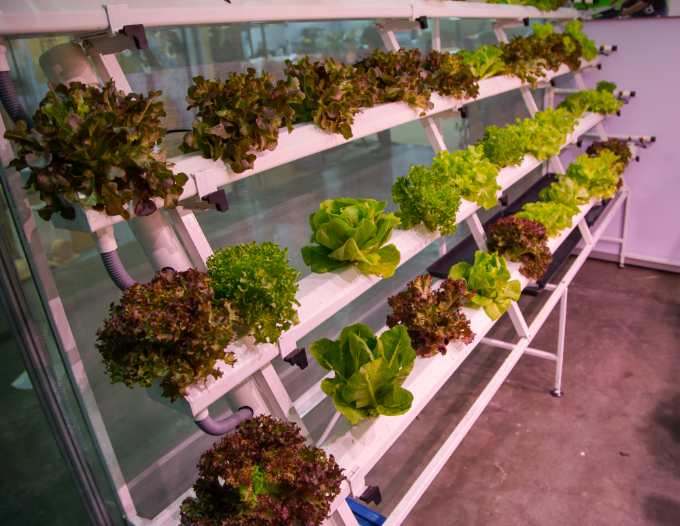
One of the easiest ways to grow more food is to grow upward instead of outward.
Vertical growing allows you to produce more food in a small space.
Perfect vertical crops include:
• Cucumbers
• Beans
• Peas
• Tomatoes
• Squash
Using trellises, arches, or garden netting can double your growing space instantly.
5. Harvesting Too Late
Many gardeners unknowingly reduce their harvest simply by waiting too long to pick their crops.
Regular harvesting actually encourages plants to produce more food.
Examples:
• Beans produce more when picked often
• Zucchini grow faster when harvested young
• Herbs grow fuller when trimmed frequently
Think of harvesting as training the plant to keep producing.
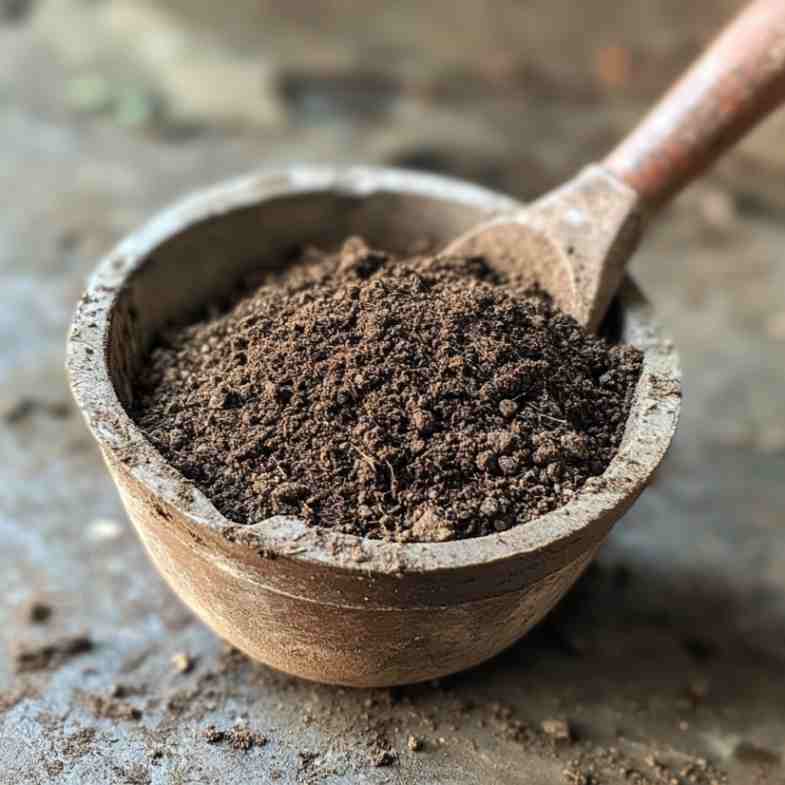
6. Poor Soil
Healthy soil equals healthy plants.
Poor soil leads to:
• Smaller plants
• Lower yields
• Weak crops
The easiest way to improve soil quickly is to add:
• Compost
• Aged manure
• Leaf mold
• Mulch
Good soil acts like a natural fertilizer factory, feeding your plants all season.
7. Planting Too Few Plants
Many people plant only a few vegetable plants, expecting large harvests.
But food production works on numbers.
For example:
One tomato plant might produce 10 to 15 pounds of tomatoes.
Five plants can produce 50 to 75 pounds.
Growing slightly more than you think you need allows for:
• Preserving
• Freezing
• Sharing
• Backup in case plants fail
8. Wasting Sunny Areas
Sunlight is one of the most valuable resources in your yard.
Vegetables usually need 6 to 8 hours of sunlight per day.
Take time to observe where sunlight hits your yard throughout the day and place food crops in the brightest locations.
Save shady areas for plants that tolerate lower light such as:
• Mint
• Parsley
• Leafy greens
Smart plant placement can significantly increase production.
9. Not Using Containers
Many people think they need a large garden to grow food.
In reality, containers can produce huge amounts of food.
Great container crops include:
• Tomatoes
• Potatoes
• Peppers
• Lettuce
• Strawberries
You can grow food on:
• Patios
• Balconies
• Decks
• Driveways
Containers allow you to use spaces that would otherwise go unused.
10. Forgetting About Continuous Planting
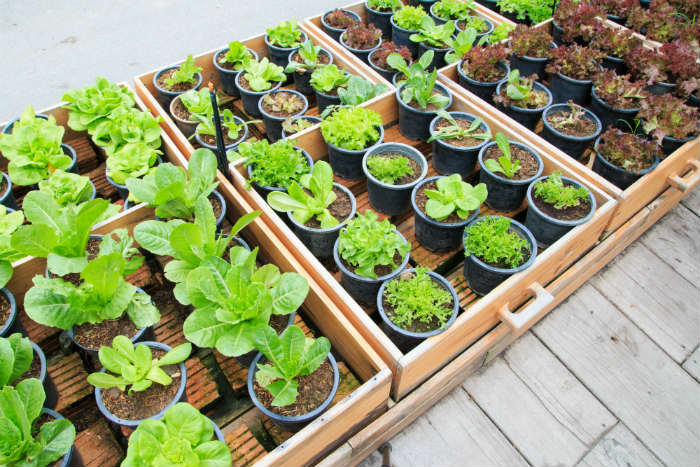
One of the biggest secrets to producing more food is succession planting.
Instead of planting everything at once, you plant new crops every few weeks.
Example rotation:
Early spring: spinach and lettuce
Late spring: beans and cucumbers
Mid summer: carrots and beets
Late summer: fall greens
This keeps your garden producing fresh food for months instead of weeks.
🌿 Tips To Turn Your Backyard Into A Food Factory
If you want to dramatically increase your backyard harvest, try these simple strategies.
Start small but productive
A few raised beds are easier to manage than a large garden.
Focus on high-yield crops
Tomatoes, potatoes, zucchini, beans, and herbs produce large harvests.
Grow foods you actually eat
This prevents wasted harvests.
Use mulch
Mulch keeps soil moist, prevents weeds, and improves soil health.
Plant something every month
Even small plantings add up over the season.
🍅 The Hidden Benefit of Backyard Food
Growing food does more than save money.
Backyard food gardening can also:
• Reduce grocery bills
• Improve food quality
• Reduce pesticide exposure
• Increase self-sufficiency
• Provide exercise and stress relief
Many gardeners discover that once they start growing food, they wish they had started years earlier.
Frequently Asked Questions
How much food can a backyard actually produce?
A well-managed backyard garden can produce hundreds of pounds of food per year depending on the size of the space and the crops grown.
Even a small raised bed can produce dozens of meals throughout the season.
What are the easiest foods to grow in a backyard?
Some of the easiest beginner crops include:
• Lettuce
• Radishes
• Green beans
• Zucchini
• Tomatoes
• Herbs
These plants grow quickly and are very forgiving for beginners.
Do I need raised beds to grow food?
No. Food can be grown in:
• Raised beds
• In-ground gardens
• Containers
• Vertical gardens
Raised beds simply make soil control and maintenance easier.
What vegetables produce the most food?
High-yield crops include:
• Tomatoes
• Potatoes
• Zucchini
• Pole beans
• Cucumbers
• Kale
These plants can produce large harvests from relatively small spaces.
Can you grow food in a small backyard?
Absolutely.
Many urban gardeners grow large harvests using:
• Container gardening
• Vertical growing
• Intensive planting methods
Even small yards can produce surprising amounts of fresh food.
Final Thoughts
Your backyard has the potential to become a mini food-producing ecosystem. But avoiding a few common mistakes can be the difference between harvesting a handful of vegetables and harvesting months of fresh food.
The good news is that most of these mistakes are incredibly easy to fix.
With better planning, healthier soil, and smarter planting strategies, you can transform your backyard into a space that feeds your family while saving money at the same time.
And once you start harvesting food you grew yourself, it changes the way you look at your backyard forever.