

12 Things You Should Never Compost Or Recycle
Make sure to like Living Green and Frugally on Facebook, Shop at Amazon to help support my site and explore our PINTEREST BOARDS for innovative ways you can become self-sufficient.
12 Things You Should Never Compost Or Recycle 🚫♻️
Introduction 🌱
Composting and recycling are amazing ways to reduce waste, help the planet, and live more sustainably. But here’s the dirty little secret: not everything belongs in your compost pile or your recycling bin. Some items can cause contamination, attract pests, or even harm your soil and the environment.
If you’ve ever wondered, “Can I recycle this?” or “Will this break down in compost?”—this guide will clear things up once and for all. Here are 12 things you should NEVER compost or recycle (and what you should do with them instead).
1. Meat & Dairy 🥩🧀
- Why not compost? They attract rats, flies, and maggots. Plus, they rot in nasty ways that can make your compost smell awful.
- What to do instead? Freeze scraps until trash day, or check if your council offers food waste bins.
2. Oily or Greasy Foods 🍟
- Why not compost? Oil doesn’t break down easily and creates slimy compost that suffocates good microbes.
- Recycling issue: Grease-stained pizza boxes can’t be recycled.
- Tip: Tear off the clean cardboard and recycle that part—bin the greasy section.
3. Pet Waste 🐶🐱
- Why not compost? Dog and cat feces can contain parasites like toxoplasmosis. Definitely not safe for soil that grows food.
- What to do: Use a dedicated pet waste disposal system.
4. Plastic Bags & Wrappers 🛍️
- Why not recycle (curbside)? They jam recycling machines.
- Better option: Take them to supermarket drop-off bins specifically for soft plastics.
5. Coal or Charcoal Ashes 🔥
- Why not compost? They contain chemicals and heavy metals that harm plants.
- Instead: Dispose of cooled ashes in your general waste.
6. Glossy Paper & Receipts 📰🧾
- Why not compost? Shiny paper and receipts often contain plastic coatings or BPA chemicals.
- Recycling issue: Some glossy papers clog recycling streams.
- What to do: Shred plain paper for compost, but bin glossy stuff.
7. Treated or Painted Wood 🪵
- Why not compost? The chemicals used in treatment are toxic.
- Why not recycle (in wood bins)? Paint and varnish ruin the recycling process.
- Tip: Check with local waste sites—some accept small amounts separately.
8. Citrus Peels in Large Amounts 🍊
- Why not compost? Small bits are fine, but too many can upset compost pH and slow decomposition.
- Tip: Dry them for DIY natural cleaners instead.
9. Walnuts 🌰
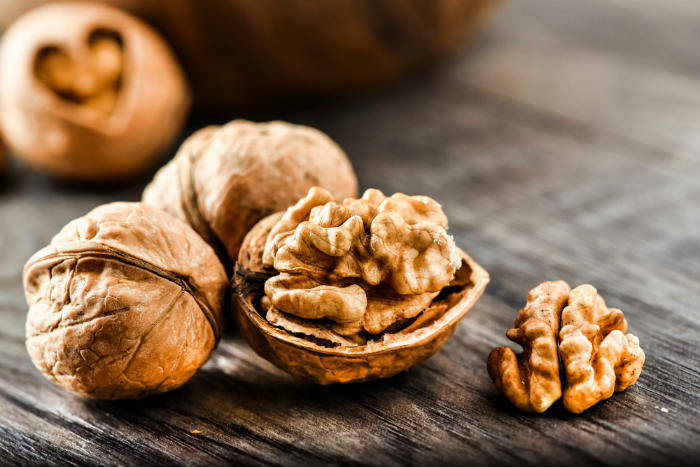
- Why not compost? Walnut shells take years to break down, and walnut husks naturally contain juglone, a toxic compound that stunts or even kills many plants. Adding them to your compost could harm your garden later.
- Tip: Toss them in general waste, or crush and scatter shells on pathways as a natural (but slow-decomposing) mulch.
10. Diapers & Sanitary Products 🚼
- Why not recycle? They’re mixed with plastics and human waste—major contamination risk.
- Tip: Always dispose of these in general waste.
11. Clothing (Unless Properly Sorted) 👕
- Why not recycle curbside? Clothing can’t go in regular bins and will clog machines.
- Better option: Donate wearable clothes or take damaged ones to textile recycling banks.
12. Electronics & Batteries 🔋📱
- Why not recycle curbside? They can spark fires in recycling facilities.
- Better option: Take them to designated e-waste or battery collection points.

Why Avoid These Items? 🌍
Throwing the wrong thing into compost or recycling bins can:
- 🚫 Contaminate entire recycling loads (which then end up in landfill).
- 🐀 Attract pests that make your compost unusable.
- ⚠️ Spread harmful chemicals into soil and water.
- 💸 Cost waste facilities extra money—which eventually comes out of taxpayers’ pockets.
Pro Tips for Smart Composting & Recycling 💡
- ✅ When in doubt, throw it out—better to trash a questionable item than ruin a full recycling batch.
- ✅ Clean recyclables (rinse jars, bottles, tins).
- ✅ Balance compost: mix “greens” (food scraps) and “browns” (dry leaves, cardboard) for healthy breakdown.
- ✅ Learn your local rules—recycling guidelines vary by area.
FAQs ❓
Q: Can I compost cooked food?
A: Small amounts of plain rice or pasta are fine, but avoid anything oily, meaty, or cheesy.
Q: Can shredded paper go in compost?
A: Yes, as long as it’s not glossy or heavily printed.
Q: Can plastic marked ‘compostable’ go in my compost bin?
A: Not always. Most require industrial composting facilities to break down.
Q: Is it okay to compost moldy bread or veggies?
A: Absolutely! Mold is part of the natural decomposition process.
Final Thoughts 🌟
Recycling and composting are incredible tools for living greener—but only when done correctly. Tossing the wrong items in can undo all your hard work. By remembering these 12 “no-go” items, you’ll keep your bins cleaner, your soil healthier, and your planet happier.
♻️ Be a smart recycler, a mindful composter, and let’s keep waste out of landfills the right way!