

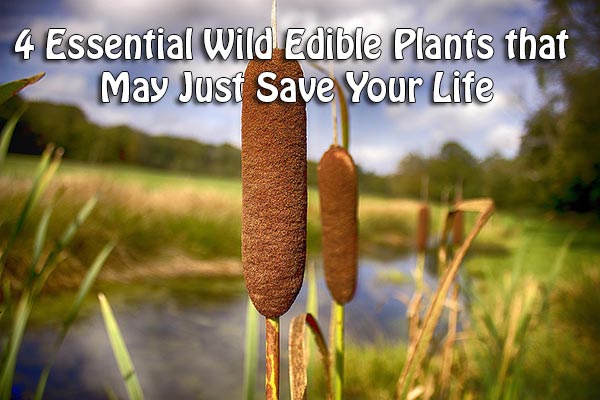
4 Essential Wild Edible Plants that May Just Save Your Life
Make sure to like Living Green and Frugally on Facebook, Shop at Amazon to help support my site and explore our PINTEREST BOARDS for innovative ways you can become self-sufficient.
🌿 4 Essential Wild Edible Plants That May Just Save Your Life
Learn to forage safely and stay alive in the wild!
🚨 When Survival Depends on What Grows Beneath Your Feet
Imagine being stranded in the wilderness. No food. No cell signal. Just you and nature. Scary? It should be. But what if survival didn’t mean suffering? What if your next life-saving meal was growing right under your feet?
In an emergency—or even during a weekend hike gone wrong—knowing how to identify wild edible plants could mean the difference between hunger and hope, even life or death.
Whether you’re a hiker, prepper, camper, or just curious about foraging, this guide is your go-to survival plant bible.
Let’s dive into 4 essential wild edible plants that may just save your life 🏕️👇
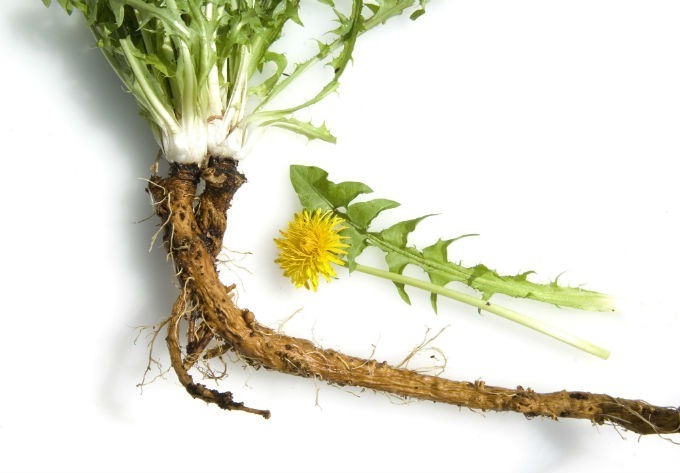
🌱 1. Dandelion (Taraxacum officinale)
Looks like a weed… but it’s a nutritional powerhouse!
🔍 How to Identify:
- Bright yellow flowers
- Jagged, deeply toothed leaves
- Grows close to the ground in lawns, meadows, and roadsides
🍴 Edible Parts:
- Leaves (best young and tender)
- Roots (roasted for a coffee substitute!)
- Flowers (great in salads or fritters)
💡 Why It Matters:
Dandelions are loaded with vitamins A, C, and K, calcium, iron, and antioxidants. They’re one of the most widespread and safest wild edibles, making them perfect for beginners. Learn how to make dandelion bread
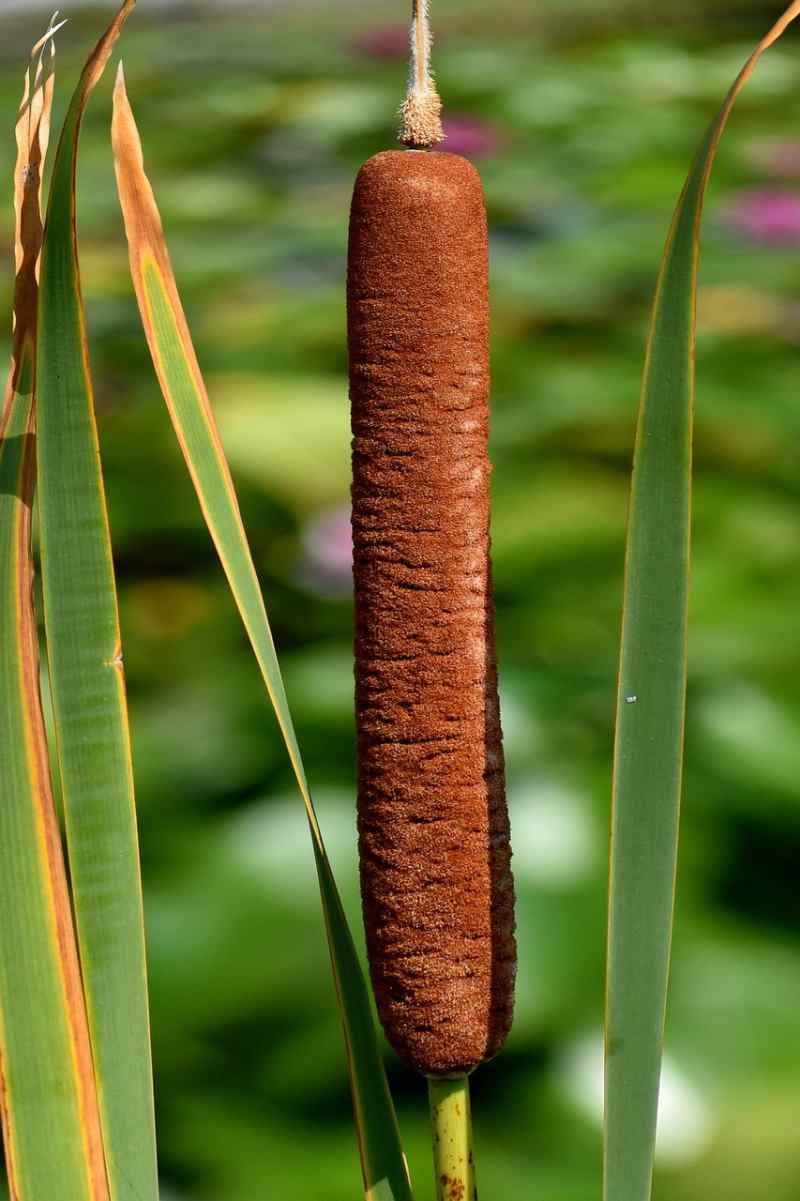
🌿 2. Cattail (Typha spp.)
The swamp’s supermarket – almost the whole plant is edible!
🔍 How to Identify:
- Tall reeds found near wetlands or shallow water
- Brown, hot-dog shaped flower heads (late summer)
- Flat, blade-like leaves
🍴 Edible Parts:
- Young shoots (“Cossack asparagus”)
- Roots (starchy, can be roasted or boiled)
- Flower spikes (can be boiled like corn)
💡 Why It Matters:
Cattails offer sustaining carbs, clean water if filtered through the roots, and shelter material. They’re a true survival MVP.
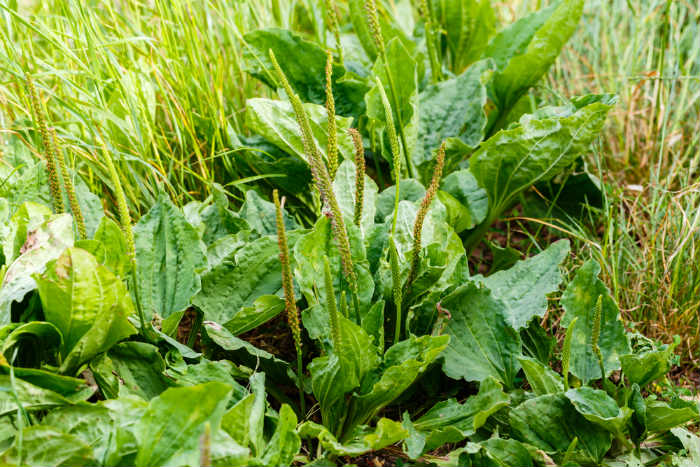
🌼 3. Plantain (Plantago major or Plantago lanceolata)
No, not the banana! This common yard “weed” is a medicinal edible marvel.
🔍 How to Identify:
- Broad, oval or spear-shaped leaves with prominent veins
- Grows in compacted soil like trails, roadsides, and lawns
- Flowers on a narrow, tall stalk
🍴 Edible Parts:
- Leaves (raw or cooked, best when young)
- Seeds (can be ground for flour)
💡 Why It Matters:
Plantain isn’t just edible—it’s also a natural first-aid kit. Crushed leaves can soothe insect bites, stings, and minor wounds thanks to anti-inflammatory properties.
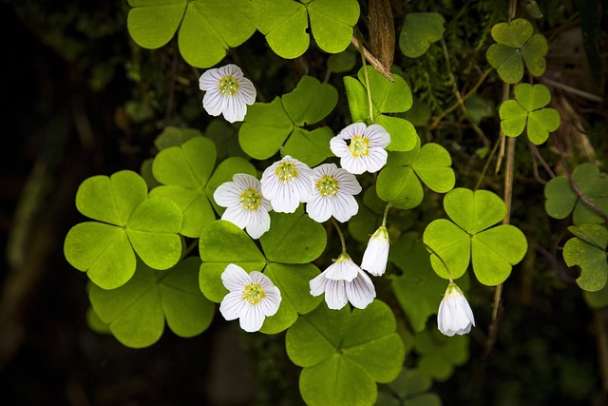
🌸 4. Wood Sorrel (Oxalis spp.)
Tastes like lemon, looks like a clover – a wild treat for your taste buds!
🔍 How to Identify:
- Clover-like leaves (often heart-shaped)
- Tiny yellow, pink, or white flowers
- Grows in shaded woodlands, lawns, and gardens
🍴 Edible Parts:
- Leaves and flowers (used in salads or as a trail nibble)
⚠️ Caution:
Contains oxalic acid, so consume in moderation, especially if you have kidney issues.
💡 Why It Matters:
Wood Sorrel is not only refreshing and zesty, but it can boost morale and vitamin C intake during stressful survival scenarios.
🧭 Why You Should Learn Wild Edibles (Right Now)
Learning to identify wild edible plants isn’t just a quirky hobby. It’s a life skill that builds:
- ✅ Self-reliance
- ✅ Confidence in the wild
- ✅ Nutritional backup in emergencies
- ✅ Stronger connection to nature
With food costs rising and disasters becoming more frequent, foraging is also an eco-friendly way to cut your grocery bill and reduce waste.
🛠️ Foraging Tips: Don’t Just Eat Anything Green!
- Use the “Universal Edibility Test” before trying unknown plants.
- Never forage near roadsides—toxins from exhaust can contaminate plants.
- Avoid lookalikes—some edible plants have poisonous doppelgängers.
- Start with what’s safe and common—like the 4 in this guide!
- Invest in a local foraging book or plant ID app.
❓ Common Questions About Wild Edible Plants
🔹 Can I survive in the wild just eating plants?
Not long-term. Plants provide carbs, vitamins, and minerals, but protein and fat are essential too. Combine plant knowledge with other survival skills like fishing or trapping.
🔹 Are all wild plants safe to eat if cooked?
No! Some plants, like hemlock or nightshade, are fatally toxic regardless of preparation. Always identify with certainty before consuming.
🔹 How can I practice safely?
Start in your own backyard or local parks. Learn one plant at a time. Make 100% positive ID before tasting anything. Join a local foraging group or workshop.
🚨 Final Thoughts: Learn Before You Need It
🌾 Don’t wait until you’re lost or hungry to learn which plants are edible. Start now. Study these 4 essentials. Practice identifying them during your walks. Build your knowledge like a survivalist stacks firewood—before winter hits.
You don’t need to become a full-time forager to benefit. Just knowing what’s safe to eat could save your life one day.
📌 Save & Share This Post!
Know someone who hikes, camps, or homesteads? Share this with them!