

17 Things You Can Make With a Bag of Potatoes When Money Is Tight

When the grocery budget is running low, a bag of potatoes can be one of the most useful things to have in your kitchen. They’re filling, versatile, and can be turned into several different meals with ingredients you probably already have in the cupboard.
The problem is that it’s easy to get stuck making the same thing. Boiled potatoes one night, mashed potatoes the next, and perhaps a few baked potatoes before the rest start growing sprouts in the cupboard.
But potatoes can do much more than that.
With a little flour, an onion, a few eggs, or some leftover vegetables, you can turn ordinary potatoes into homemade breakfasts, hearty dinners, snacks, and even bread. Some of these meals cost very little beyond the potatoes themselves, while others help you stretch small amounts of meat, cheese, or vegetables into something that will feed the whole family.
Here are 17 practical things you can make with a bag of potatoes when money is tight, including a few old-fashioned recipes that are well worth bringing back.
1. Homemade Potato Soup
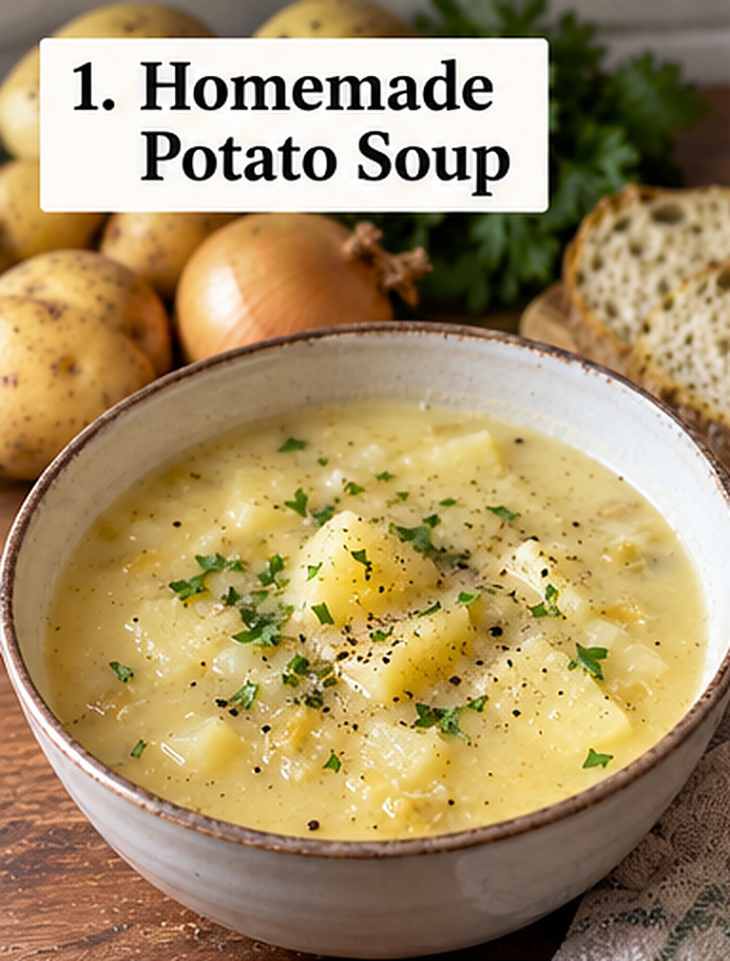
Potato soup is one of the easiest ways to turn a few inexpensive ingredients into a satisfying meal.
Start by chopping four or five medium potatoes and one onion. Put them in a saucepan with enough vegetable or chicken stock to cover them, then simmer until the potatoes are soft.
Mash some of the potatoes directly in the pan to thicken the soup. If you have a little milk, add a splash for a creamier consistency. Salt, pepper, garlic powder, or dried herbs will improve the flavour without adding much to the cost.
You don’t need cream, bacon, or expensive cheese to make good potato soup. The potatoes themselves give it body.
Serve it with toast or homemade bread, and you have a simple dinner that can provide several portions. Any leftover soup can be refrigerated for another meal.
2. Crispy Potato Pancakes
Potato pancakes are particularly useful when you have potatoes, flour, and very little else.
Grate two or three raw potatoes and squeeze out as much moisture as possible using a clean kitchen towel. Mix the grated potatoes with a few tablespoons of flour, a little grated onion, salt, and pepper. An egg helps bind everything together, although you can make a basic version without one by using a little more flour.
Spoon small portions into a lightly oiled frying pan and flatten them. Cook over medium heat until both sides are golden and the centres are cooked through.
They’re delicious with applesauce, sour cream, or simply a little salt.
Potato pancakes are also a useful way to turn leftover mashed potatoes into something different. Mix cold mash with flour and an egg, shape into patties, and fry until crisp.
If you enjoy economical, old-fashioned cooking, you’ll find more ideas in these 82 Depression Era recipes, including several dishes built around potatoes and other pantry staples.
3. Loaded Baked Potatoes
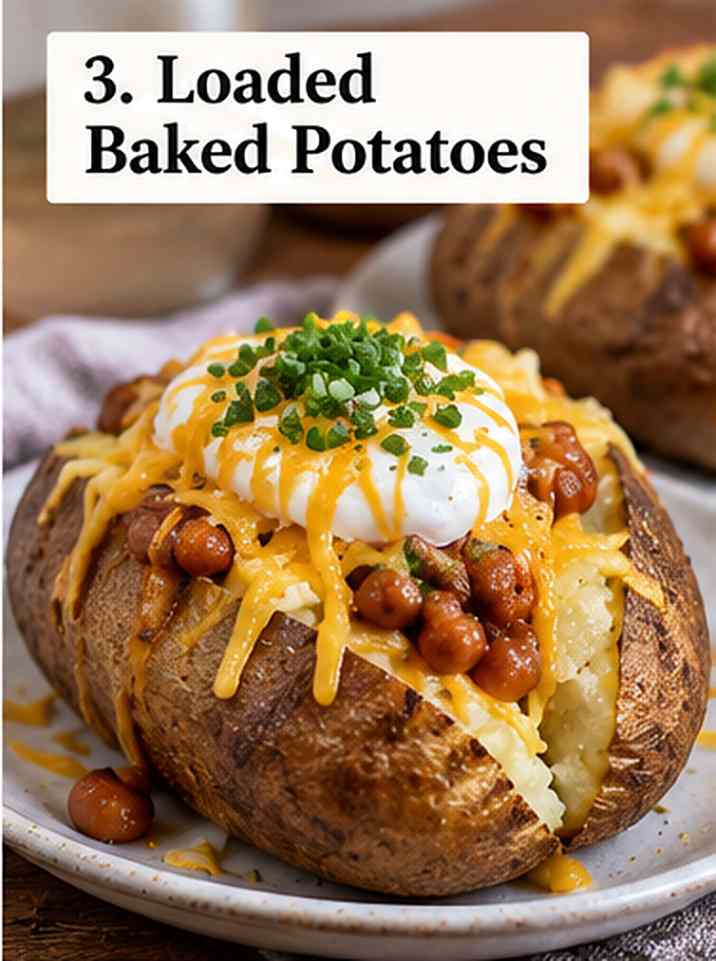
A baked potato can be an entire meal rather than just a side dish.
Scrub a large potato, pierce it several times with a fork, and bake at 400°F (200°C) until the inside is soft. Depending on its size, this usually takes around 45–70 minutes.
Once cooked, split it open and add whatever you have available.
Baked beans are an inexpensive topping, especially when paired with a little grated cheese. Leftover chilli, cooked vegetables, tuna, or a spoonful of sour cream can also work.
The trick is to use toppings you already have rather than buying special ingredients.
If you’re cooking for several people, baked potatoes are an easy way to stretch a small amount of leftover food into a more substantial dinner.
4. Potato and Onion Hash
You don’t need meat to make a good breakfast hash.
Dice three medium potatoes into small cubes. Heat a little oil in a frying pan and add the potatoes with a chopped onion.
Cook over medium heat, turning occasionally, until the potatoes are tender and the outsides become crisp. Small cubes cook faster, although you can speed things up by boiling the diced potatoes briefly before frying them.
Season with salt, pepper, and paprika if you have it.
A fried egg on top makes the meal more substantial, but it’s perfectly good without one.
This is the sort of economical dish that works for breakfast, lunch, or dinner. It’s also included among the straightforward ideas in our guide to 15 meals you can make for under $1 per person.
5. Homemade Potato Wedges
Frozen potato wedges are convenient, but making your own takes very little preparation.
Wash four potatoes and cut them into evenly sized wedges. Leave the skins on if they’re in good condition.
Toss the wedges with a tablespoon or two of oil, salt, pepper, and whatever seasonings you enjoy. Paprika, garlic powder, and dried herbs all work well.
Spread them across a baking tray in a single layer and roast at 425°F (220°C) for approximately 30–40 minutes, turning halfway through.
You should end up with crisp edges and fluffy centres.
Serve the wedges alongside beans, eggs, or leftover vegetables. They’re also a good alternative to buying frozen chips.
6. Potato and Cabbage Skillet
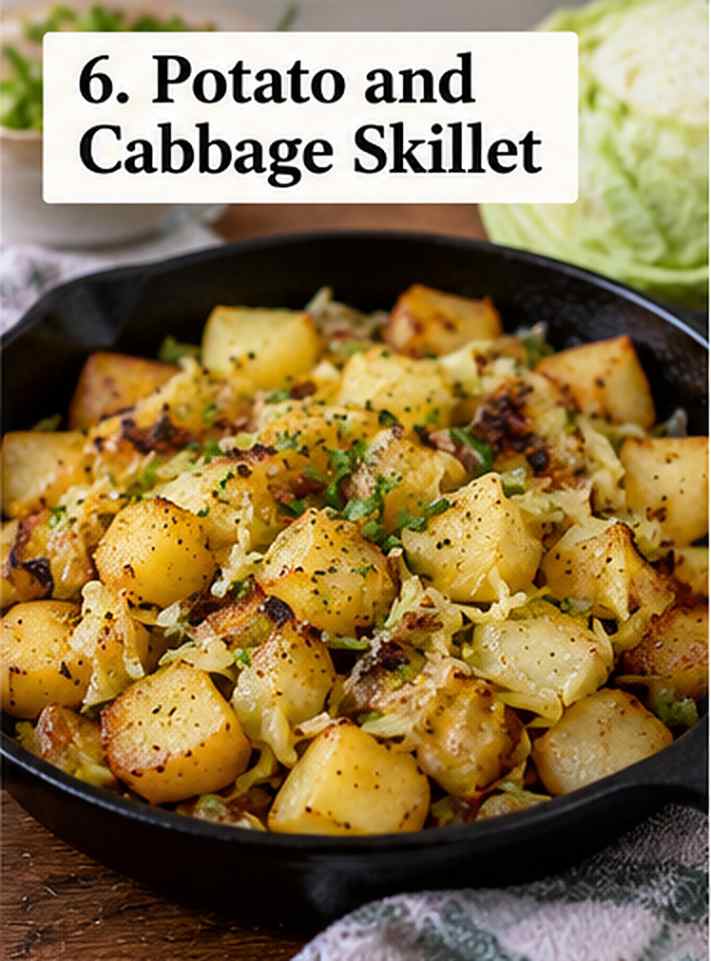
Cabbage is another inexpensive vegetable that stretches a meal surprisingly far.
Start by frying a sliced onion in a little oil. Add two or three diced potatoes that have already been boiled until almost tender.
Once the potatoes begin browning, add a few handfuls of shredded cabbage. Continue cooking until the cabbage softens and develops a little colour.
Season with salt and black pepper. A small splash of vinegar or a pinch of paprika can give the dish extra flavour.
You can add leftover sausage, bacon, or cooked beans, but none is essential.
This is particularly useful when you have half a cabbage left after another meal and don’t want it going to waste.
7. Homemade Potato Bread
Potatoes can also help you make a soft, satisfying loaf of homemade bread.
Cook and mash a potato, then let it cool. The mashed potato can be combined with flour, yeast, water, salt, and a little oil to make a bread dough.
The potato adds moisture and gives the finished bread a tender texture.
You can shape the dough into a loaf, small rolls, or sandwich buns. It’s particularly useful if you already make bread at home and want to use up leftover mash.
For ingredient measurements and baking instructions, follow our easy homemade potato bread recipe.
Potato bread does require additional ingredients, but it can be an economical option when flour and yeast are already part of your regular shopping.
8. Creamy Mashed Potatoes and Gravy
Mashed potatoes might sound too ordinary to include, but they’re one of the best ways to make a small amount of food go further.
Peel and boil four or five potatoes until tender. Drain well and mash with a little butter, oil, or milk. Even a splash of the reserved cooking water can help soften the mash when supplies are limited.
For a simple onion gravy, cook a sliced onion in a little oil until soft. Stir in a tablespoon of flour, then gradually add approximately one cup of vegetable stock while stirring. Simmer until thickened.
Pour the gravy over the potatoes and serve with cooked carrots, peas, beans, or whatever vegetables you have available.
It’s a modest meal, but a good homemade gravy makes a noticeable difference.
Any leftover mash can be used for potato cakes or other recipes later in the week.
9. Potato and Egg Breakfast Scramble
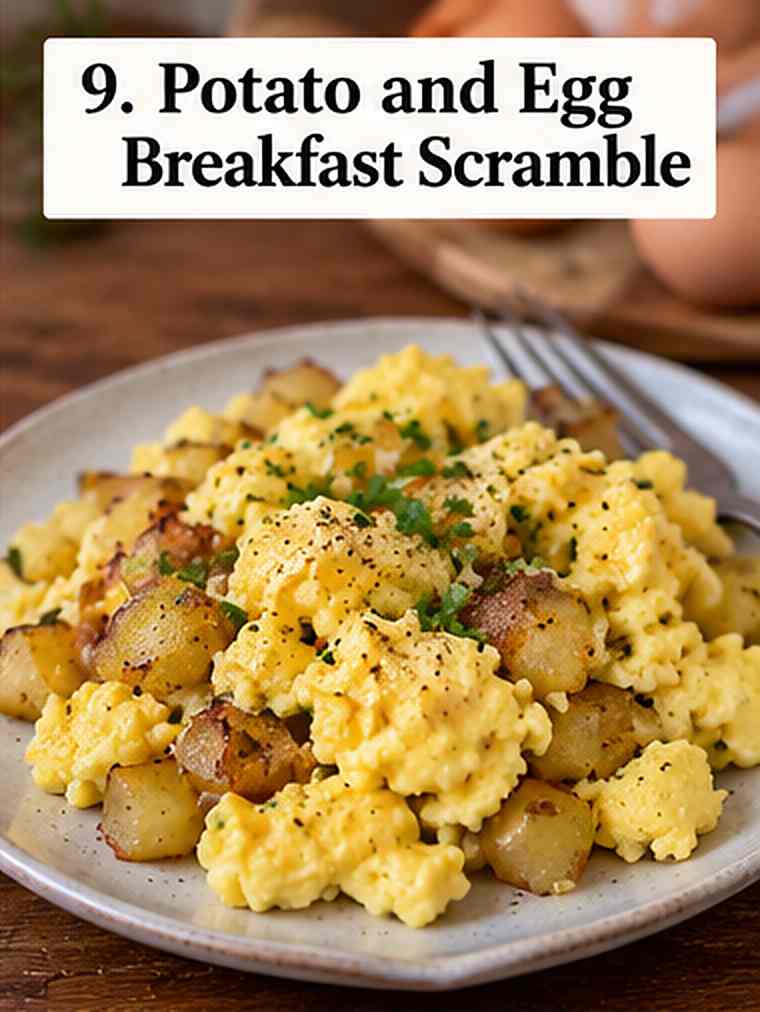
When you have a few eggs to use up, potatoes can help turn them into a meal for more people.
Dice two medium potatoes and cook them in a frying pan with a little oil until tender and lightly browned.
Add a chopped onion or any leftover vegetables, then pour in two or three beaten eggs.
Stir gently until the eggs are fully cooked.
The potatoes provide most of the bulk, allowing you to use fewer eggs than you would for a traditional scrambled egg breakfast.
Serve it on its own, with toast, or tucked into tortillas if you have some.
It’s especially handy when you need a quick evening meal and don’t have much in the fridge.
10. Simple Potato Curry
Potatoes are excellent at absorbing spices, making them a useful base for a budget curry.
Chop four medium potatoes into small pieces. Fry a chopped onion in a little oil, then add curry powder, garlic, and any other spices you have.
Stir in the potatoes and a tin of chopped tomatoes, along with enough water to help everything simmer without sticking.
Cook gently until the potatoes are soft and the sauce has thickened.
For additional protein, add cooked lentils or chickpeas if they’re available.
Serve the curry with rice or homemade flatbread.
You don’t need coconut milk or expensive curry sauces to make this work. A few pantry spices and ordinary potatoes can produce a flavourful meal.
11. Homemade Hash Browns
Hash browns are another inexpensive alternative to buying frozen breakfast potatoes.
Grate two large potatoes, rinse them briefly in cold water, and squeeze them thoroughly dry.
Season with salt and pepper, then spread the grated potatoes into a thin layer in a lightly oiled frying pan.
Press them down and cook over medium heat until the underside is golden. Flip carefully and cook the other side until crisp and cooked through.
Removing the excess moisture is important. Wet potatoes tend to steam instead of becoming crispy.
You can make individual hash browns or one large potato cake to cut into portions.
They’re good with eggs, baked beans, or simply a little ketchup.
12. Potato and Lentil Stew
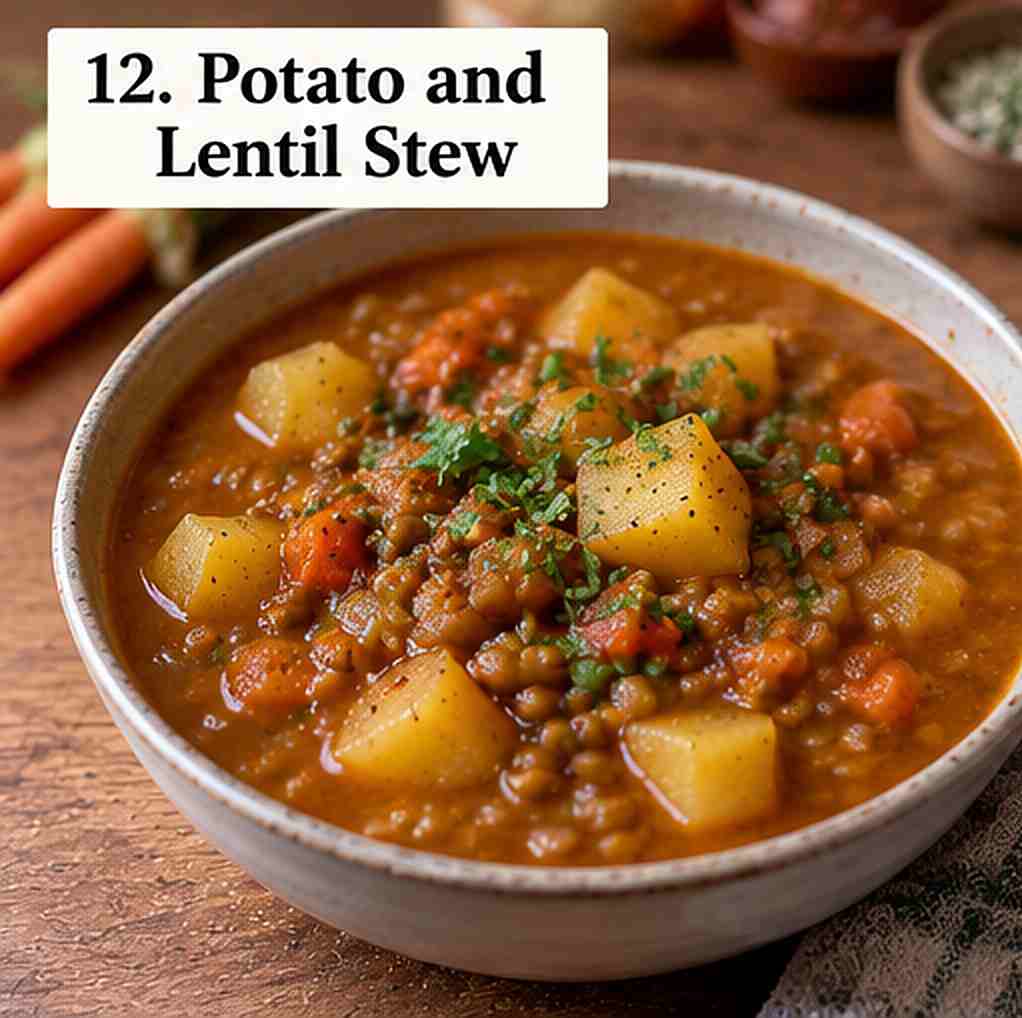
A small amount of dried lentils can make potatoes into a more balanced, filling dinner.
Place three chopped potatoes, one diced onion, a chopped carrot, and half a cup of rinsed dried red lentils in a saucepan.
Add around four cups of vegetable stock or water with seasoning.
Bring everything to a gentle simmer and cook for approximately 25–30 minutes, adding more liquid if necessary.
The lentils will soften and help thicken the stew, while the potatoes provide satisfying chunks.
You can add canned tomatoes, garlic, paprika, or other vegetables depending on what you have.
This is also a good recipe for batch cooking because you can make several portions in one saucepan. For more ways to stretch inexpensive staples, our collection of 30 frugal meal ideas for when you’re broke has plenty of meals built around beans, rice, vegetables, and potatoes.
13. Homemade Potato Chips
A bag of potatoes can also replace the expensive packets of chips that sometimes disappear far too quickly.
Slice potatoes very thinly, preferably using a mandoline with its safety guard. Pat the slices dry before cooking.
For an oven-baked version, toss them lightly with oil and spread them across a baking tray without overlapping.
Bake at 375°F (190°C), checking frequently and turning as needed. Thin slices can brown quickly, so remove them as they become crisp.
Sprinkle with salt while they’re still warm.
Homemade potato chips are best eaten fresh. They might not look as uniform as supermarket versions, but you can control how much salt and seasoning goes on them.
14. Potato and Cheese Quesadillas
If you have tortillas in the cupboard, mashed potatoes can become an inexpensive filling.
Spread a thin layer of seasoned mashed potato over half a tortilla. Add a little grated cheese and some cooked onion, then fold it over.
Cook in a dry or lightly oiled frying pan over medium heat until the tortilla is golden and the filling is hot throughout.
Turn carefully and cook the other side.
The potato gives the quesadilla substance, meaning you can use less cheese than you might otherwise need.
A spoonful of salsa or leftover beans makes a good addition.
This is a useful lunch for using up small portions of mashed potatoes that aren’t quite enough to serve on their own.
15. Homemade Potato Gnocchi
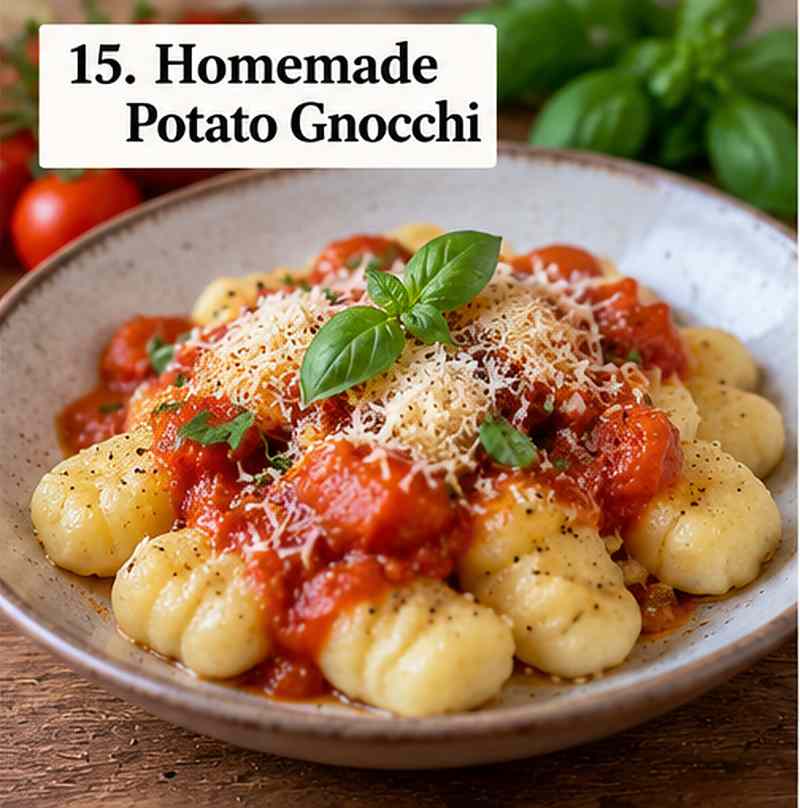
Gnocchi sounds like something you would order in a restaurant, but traditional potato gnocchi can be made with a few basic ingredients.
Start with approximately one pound (450g) of cooked potatoes. Mash them until smooth and let the steam escape so the mixture isn’t too wet.
Mix in roughly one cup of plain flour, adding only as much as needed to form a soft dough. An egg can help bind the mixture, although egg-free versions are possible.
Roll the dough into long ropes and cut into small pieces.
Drop the gnocchi into gently boiling salted water. Once they float, allow them a little longer to cook through before removing them with a slotted spoon.
Serve with tomato sauce, melted butter, or garlic and oil.
The main thing is to avoid working too much flour into the dough, which can make the gnocchi heavy.
16. Potato-Topped Vegetable Pie
You don’t need minced meat to make a comforting potato-topped pie.
Cook a mixture of onions, carrots, peas, lentils, or other vegetables until tender. Add enough vegetable stock to create a moist filling and thicken it with a little flour if necessary.
Transfer the mixture to an ovenproof dish.
Cover it with a generous layer of mashed potatoes and rough up the surface with a fork.
Bake at 400°F (200°C) for around 20–25 minutes, until the filling is bubbling and the top has started to brown.
If you have a little grated cheese, sprinkle it over the potatoes before baking. Otherwise, a drizzle of oil can help the surface develop some colour.
This is a particularly good way to use several small portions of leftover vegetables in one meal.
17. Homemade Potato Flatbreads
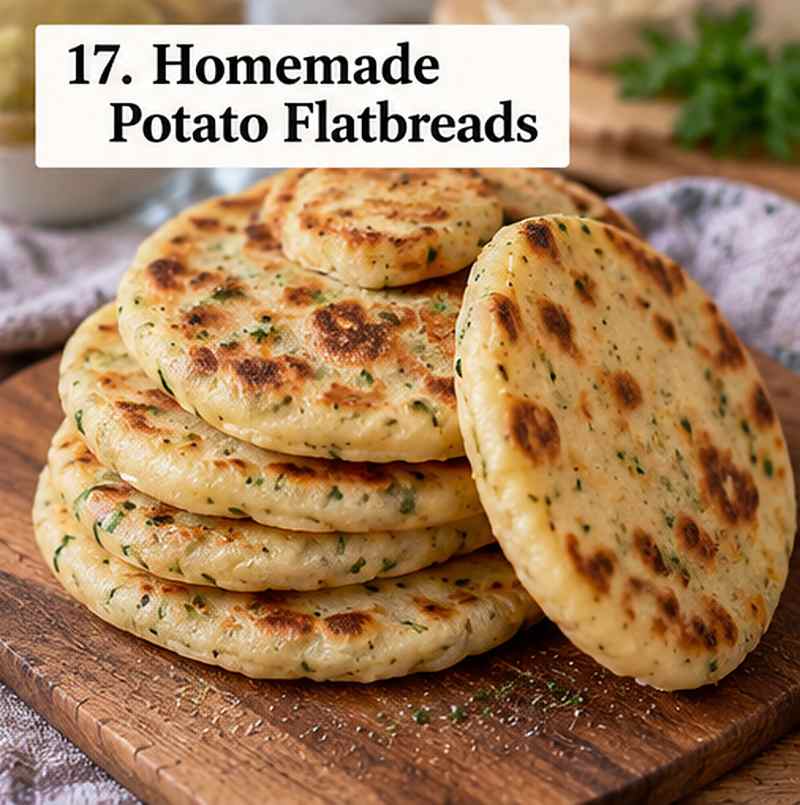
If you’re down to potatoes, flour, and a little salt, potato flatbreads are worth making.
Mix approximately one cup of cooled mashed potatoes with half a cup of plain flour and a pinch of salt. Add more flour gradually if the dough is too sticky to handle.
Knead gently until the mixture holds together, then divide it into small pieces.
Roll each piece into a thin round and cook in a lightly greased frying pan over medium heat until both sides have browned and the dough is cooked through.
These flatbreads are especially good served with soup, curry, or eggs.
They’re also useful for using up plain leftover mashed potatoes without needing to prepare another full meal.
How to Make a Bag of Potatoes Last Longer
Making the most of a bag of potatoes isn’t only about finding different recipes. How you store and use them matters too.
Keep uncooked potatoes in a cool, dark, dry, well-ventilated place, away from direct sunlight. A paper bag, cardboard box, or breathable sack is better than a sealed plastic bag that traps moisture.
Check them occasionally and remove any that are becoming soft, leaking, or mouldy.
Potatoes that are extensively green, bitter, or badly sprouted should be discarded. Small sprouts on an otherwise firm potato can be removed, along with any green areas, but don’t try to rescue a badly deteriorated potato just to avoid waste.
It also helps to plan meals around how quickly your potatoes need using.
For example, you might bake several potatoes one evening, use some freshly cooked potatoes for hash the next day, and turn leftover mash into potato cakes or flatbreads.
Cooked potatoes should be cooled promptly, refrigerated within two hours, and generally eaten within three to four days. You can also freeze mashed potatoes and cooked potato dishes, although some will change texture after thawing.
If you regularly have a large potato harvest or buy them in bulk, you might also be interested in making dehydrated potato flakes from scratch. It’s another way to preserve potatoes for later use, provided they’re properly prepared, dried, and stored.
One more thing worth remembering is that potatoes are a useful source of carbohydrates, but they don’t provide everything your body needs. Whenever possible, combine potato-based meals with inexpensive protein sources such as beans, lentils, eggs, or dairy, along with vegetables.
A Bag of Potatoes Can Go a Long Way
When money is tight, you don’t necessarily need a complicated meal plan or a cupboard full of ingredients. Sometimes it makes more sense to start with what you already have and work from there.
A few potatoes can become soup today, hash tomorrow, and homemade flatbreads with the leftovers. Add some lentils, an onion, or a handful of frozen vegetables, and you’ve got several different meals without buying much more.
You certainly don’t need to make all 17 recipes. Choose the ones that work with your family’s tastes, your available time, and the ingredients already sitting in your kitchen.
The biggest savings usually come from using what you’ve bought, avoiding unnecessary extras, and making sure good food doesn’t end up in the bin.
And when you’ve only got a bag of potatoes and a few pantry staples left, knowing how to turn them into a decent dinner is a useful skill to have.
Frequently Asked Questions
1. What is the cheapest meal you can make with potatoes?
Potato and onion hash, basic potato soup, and homemade mashed potatoes are among the cheapest options. They use only a few inexpensive ingredients, and you can adjust the seasonings to suit what you already have.
2. Can you make a meal with just potatoes and flour?
Yes. Potato flatbreads and simple potato dumplings can be made using cooked potatoes, flour, and water if needed. A little salt improves the flavour, but you don’t need expensive additional ingredients.
3. How many meals can you get from a 5-pound bag of potatoes?
A 5-pound bag contains approximately 2.3kg of potatoes. Depending on portion sizes and what other ingredients you add, it could provide around 10–15 modest potato portions, or fewer if potatoes make up most of each meal.
4. Can you freeze cooked potatoes to save money?
Yes. Mashed potatoes, potato soup, and several cooked potato dishes can be frozen. Cool them promptly, pack them into suitable containers, and freeze in meal-sized portions. Plain boiled potatoes may become watery or grainy after thawing.
5. What can I add to potatoes to make a cheap, filling dinner?
Beans, lentils, eggs, cabbage, onions, carrots, and frozen vegetables are useful additions. They help turn potatoes from a side dish into a more substantial meal, while beans, lentils, and eggs also add protein.
6. How can I stop potatoes from going bad before I use them?
Store them somewhere cool, dark, dry, and well-ventilated. Keep them out of direct sunlight, check the bag regularly, and use any potatoes showing early signs of deterioration before the firmer ones, provided they’re still safe to eat.