

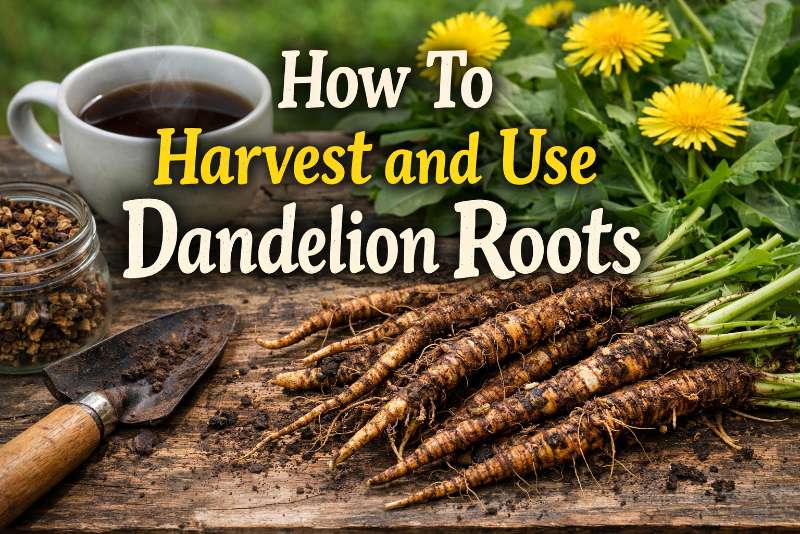
How To Harvest and Use Dandelion Roots
Make sure to like Living Green and Frugally on Facebook, Shop at amazon to help support my site and explore our PINTEREST BOARDS for innovative ways you can become self-sufficient.
How To Harvest and Use Dandelion Roots 🌼
🌱 Introduction: The “Weed” You Should Never Ignore Again
Most people see dandelions and think one thing… weeds. They pull them, spray them, or mow them down without a second thought.
But what if I told you that the humble dandelion growing in your garden could actually be one of the most powerful free resources available right under your feet?
For centuries, dandelion roots have been used in traditional remedies, teas, and even as a coffee substitute. They are packed with nutrients, easy to harvest, and completely free.
Once you learn how to harvest and use dandelion roots, you will never look at your lawn the same way again 👀
Let’s dive into how to find them, harvest them properly, and turn them into something genuinely useful.
🌿 How To Harvest and Use Dandelion Roots
🕒 Step 1: Know When To Harvest
Timing matters more than most people realize.
The best times to harvest dandelion roots are:
- Early spring before the plant flowers
- Late autumn after the first frost
Why? Because this is when the roots store the most energy and nutrients.
Bigger roots = more benefits
🌼 Step 2: Choose the Right Location
Not all dandelions are created equal.
Avoid harvesting from:
- Roadsides
- Areas sprayed with chemicals
- Pet-heavy zones
Instead, look for:
- Your own garden
- Untreated fields
- Wild areas away from pollution
Clean roots mean safe use
🛠️ Step 3: Digging Up the Roots
This is where most people go wrong.
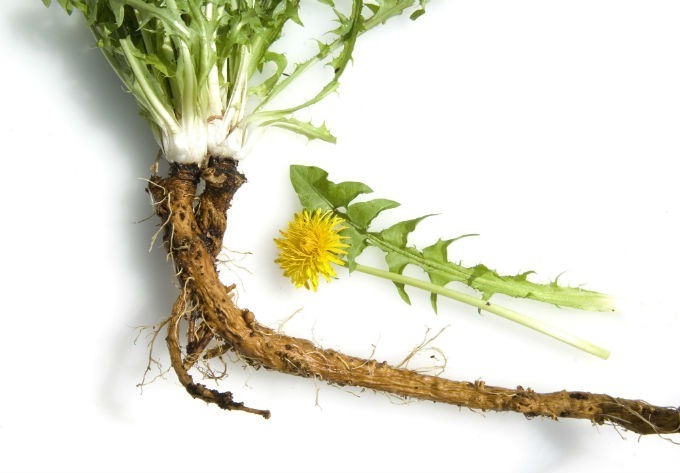
Dandelion roots grow deep, often 6 to 10 inches or more.
Here is how to do it properly:
- Use a garden fork or trowel
- Dig around the plant, not directly under it
- Loosen the soil gently
- Pull slowly to avoid snapping the root
Tip: If the soil is dry, water it first to make digging easier 💧
🧼 Step 4: Cleaning the Roots
Once harvested, your roots will likely be covered in soil.
- Rinse thoroughly under cold water
- Use a brush to remove stubborn dirt
- Trim off small side roots if needed
You now have clean, usable dandelion roots.
🔪 Step 5: Preparing the Roots
At this stage, you have options depending on how you want to use them.
- Chop into small pieces for drying
- Slice thin for faster processing
- Leave whole if planning to roast later
Consistency helps with even drying and roasting.
🌬️ Step 6: Drying the Roots
Drying preserves the roots and enhances their flavor.
You can:
- Air dry in a warm, dry space for several days
- Use a dehydrator for faster results
- Place in a low oven if needed
They are ready when they feel completely dry and brittle
🔥 Step 7: Roasting for Dandelion “Coffee”
This is where things get interesting ☕
Roasting dandelion roots creates a rich, earthy drink similar to coffee.
How to do it:
- Preheat oven to around 180°C
- Spread dried roots on a baking tray
- Roast for 20 to 30 minutes until dark brown
- Let cool, then grind
Brew like coffee or steep like tea.
The result is surprisingly good
🍵 Step 8: Other Ways To Use Dandelion Roots
Dandelion roots are incredibly versatile:
- Brew into herbal tea
- Add to soups or broths
- Grind into powder for supplements
- Infuse into oils or tinctures
Once you start experimenting, the possibilities open up quickly.
🌟 Why This Matters
Learning how to harvest and use dandelion roots is more than just a fun skill. It is a step toward self-reliance and natural living.
Here is why it matters:
- Free food and drink source right outside your door
- Supports digestion and gut health
- Rich in vitamins and minerals
- Reduces waste by using what most people throw away
- Perfect for off grid or frugal lifestyles
- Encourages connection with nature
It is one of those skills that feels small at first but becomes incredibly valuable over time 🌍
⚠️ Practical Tips and Mistakes To Avoid
✅ Tips for Success
- Harvest after rain for easier digging
- Always double check the plant ID
- Start with small batches while learning
- Store dried roots in airtight containers
❌ Common Mistakes
- Harvesting from contaminated areas
- Breaking roots during digging
- Not drying roots fully before storage
- Over roasting which causes bitterness
- Using too much at once when making tea
Start simple and build confidence

❓ Frequently Asked Questions
1. Can I eat dandelion roots raw?
Yes, but they are quite bitter. Most people prefer them dried or roasted for better flavor.
2. How do I know I have the right plant?
Dandelions have bright yellow flowers and jagged leaves. If unsure, always double check before harvesting.
3. How long do dried dandelion roots last?
When stored properly in an airtight container, they can last up to a year.
4. Does dandelion root really taste like coffee?
It does not taste exactly like coffee, but it has a rich, roasted flavor that many people enjoy as a caffeine free alternative.
5. Are there any side effects?
Dandelion root is generally safe, but people with certain conditions or allergies should consult a professional before use.
6. Can I grow my own dandelions?
Absolutely. In fact, many people accidentally already are 😄
💬 Final Thoughts: From Weed to Resource
The next time you see dandelions popping up in your garden, pause before pulling them out.
You are looking at a completely free, nutrient packed, versatile plant that people have used for generations.
Learning how to harvest and use dandelion roots is one of those simple skills that can:
- Save money
- Improve your health
- Bring you closer to nature
And the best part? It is already growing all around you.
So next time you spot one, grab a trowel instead of a weed killer 🌱