

Why Smart Gardeners Never Throw Away Banana Peels 🍌🌱
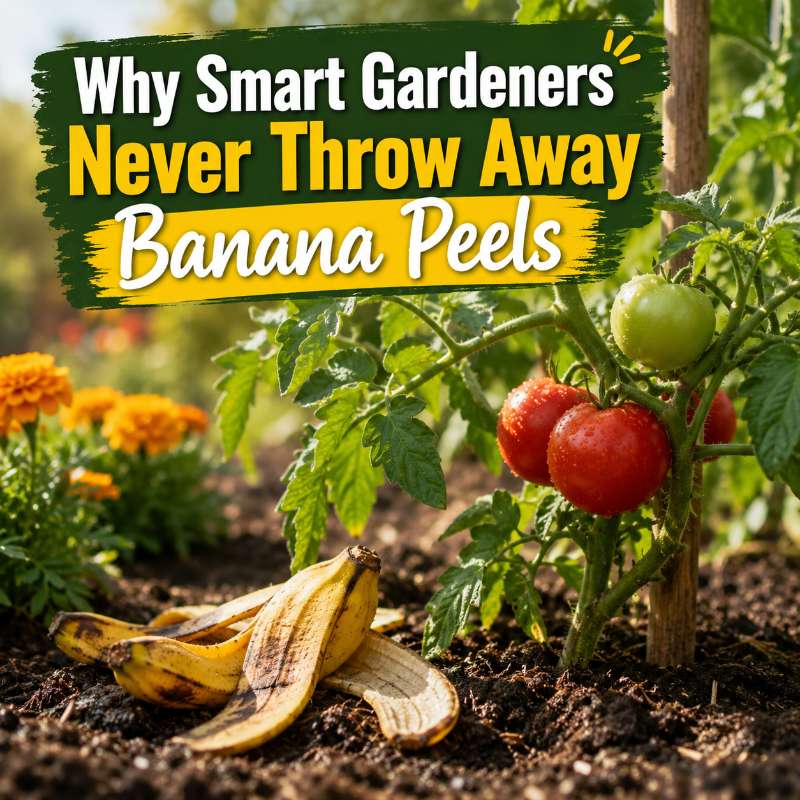
The Kitchen Scrap Your Garden Secretly Wants
Most people eat a banana, toss the peel in the bin, and never think about it again. But smart gardeners? They see banana peels as free garden gold.
That soft yellow peel might look like waste, but it is packed with garden-friendly nutrients that can help feed plants, improve compost, reduce waste, and stretch your gardening budget. In a world where fertilisers, compost boosters, and plant feeds seem to get more expensive every year, banana peels are one of those old-fashioned tricks that still makes sense today.
And the best part?
You do not need anything fancy. No expensive garden products. No complicated recipes. No special equipment. Just banana peels, a bit of know-how, and a garden that could use a little natural boost. 🌿
If you grow tomatoes, peppers, roses, flowers, houseplants, herbs, or vegetables, this is one kitchen scrap you may want to stop throwing away.
Why Banana Peels Are Useful In The Garden 🍌
Banana peels contain nutrients that plants use to grow strong, healthy, and productive. They are especially known for containing potassium, which helps plants with overall growth, flowering, fruiting, and stress tolerance.
They also contain small amounts of other helpful minerals, including phosphorus, calcium, magnesium, and trace nutrients. Are banana peels a complete fertiliser? No. They are not a magic replacement for good soil, compost, or balanced feeding.
But they are a brilliant free soil booster when used the right way.
Think of banana peels as one small piece of the healthy garden puzzle. They work best when combined with compost, mulch, good watering habits, and healthy soil.
What Plants Like Banana Peels The Most? 🌹🍅
Banana peels can be useful around many plants, but they are especially popular with plants that flower or fruit.
Good plants to use banana peels around include:
Tomatoes
Tomatoes are hungry plants, and they benefit from steady soil nutrition. Banana peels can be added to compost or buried in small chopped pieces near the planting area.
Peppers
Peppers need strong roots, flowers, and fruit development. A little banana peel compost can be a useful addition.
Roses
Many gardeners love using banana peels around roses because potassium supports flowering and plant strength.
Flowering plants
Plants grown for blooms may benefit from the extra nutrient boost when banana peels are composted properly.
Houseplants
Banana peel water or dried banana peel powder can be used carefully, but less is more indoors.
Herbs and vegetables
Use banana peels in compost or as a soil amendment, rather than piling them around the plant.
The Best Ways To Use Banana Peels In The Garden 🌱
There is more than one way to use banana peels, but some methods work better than others. The key is to help the peel break down properly so your plants can access the nutrients.
1. Add Banana Peels To Your Compost Bin
This is the easiest and safest method.
Simply chop the peels into smaller pieces and add them to your compost bin. Smaller pieces break down faster than whole peels.
Banana peels are considered a “green” compost material, meaning they add moisture and nitrogen-rich organic matter. To keep your compost balanced, mix them with “brown” materials such as dried leaves, cardboard, straw, shredded paper, or dry grass.
Smart tip: Do not throw in a huge pile of banana peels at once. Mix them through the compost so they break down without going slimy or attracting pests.

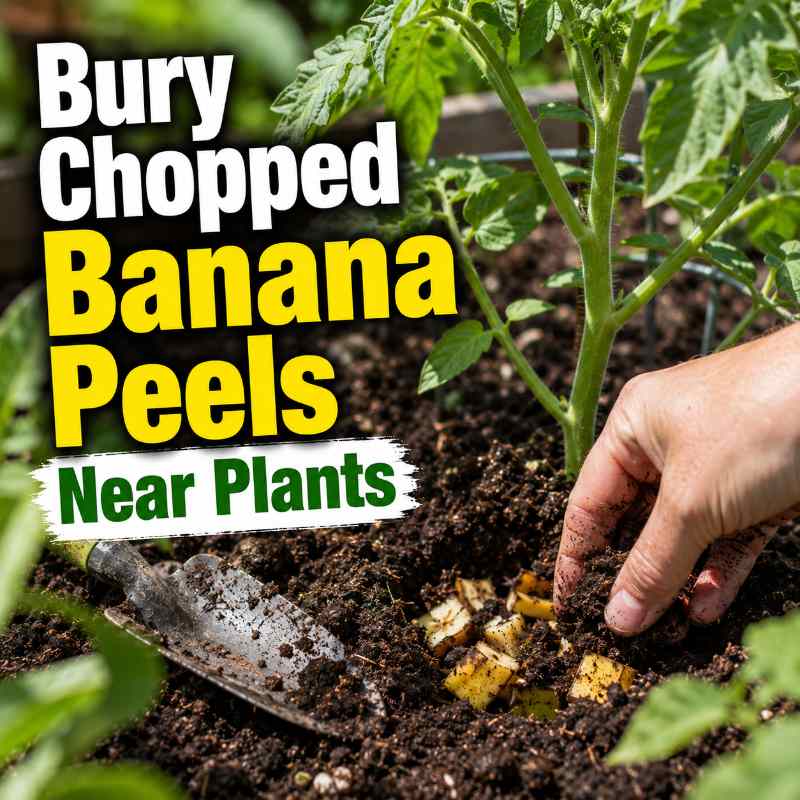
2. Bury Chopped Banana Peels Near Plants
You can bury small pieces of banana peel directly in the soil, but this needs to be done carefully.
Chop the peel into small bits, then bury it several inches deep and away from the main stem of the plant. This helps it break down slowly underground without attracting flies or animals.
This works well when preparing planting holes for tomatoes, peppers, or flowering plants.
Do not bury whole banana peels near shallow-rooted plants. They take longer to break down and may attract pests before the nutrients are available.
3. Make Banana Peel Water
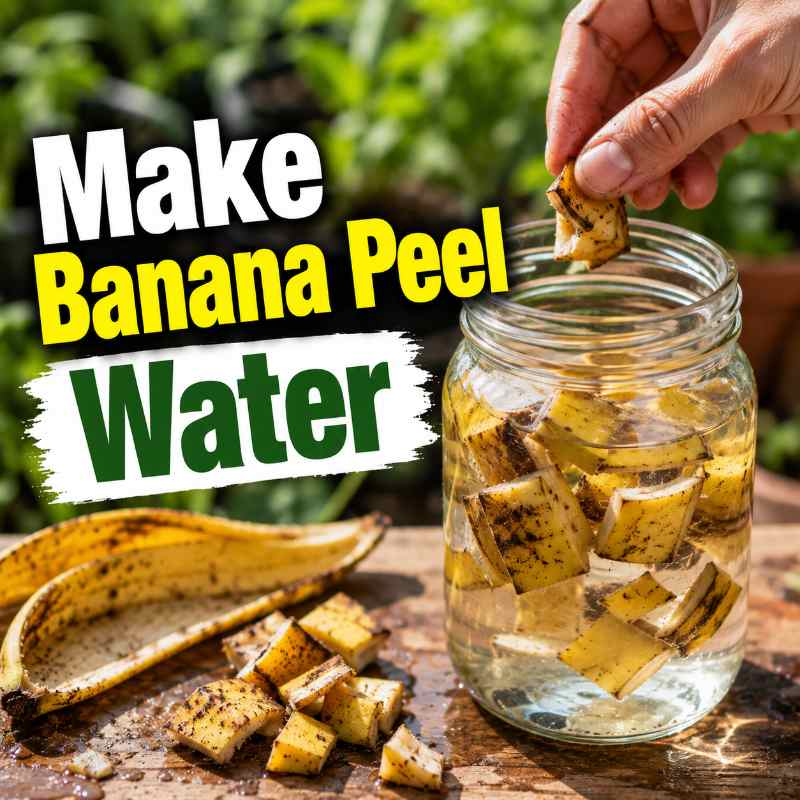
Banana peel water is one of the most popular garden tricks online, and it is very simple.
Place chopped banana peels in a jar, cover with water, and let them soak for 24 to 48 hours. Then strain the liquid and use it to water plants.
This is not a miracle fertiliser, but it may provide a mild nutrient boost. It is best used as an occasional supplement, not an everyday plant feed.
How to use it:
Water the soil around the plant, not the leaves. Use it once every few weeks during the growing season.
Important: Do not let banana peel water sit too long, especially indoors. It can start to smell and ferment.
4. Dry And Grind Banana Peels Into Powder
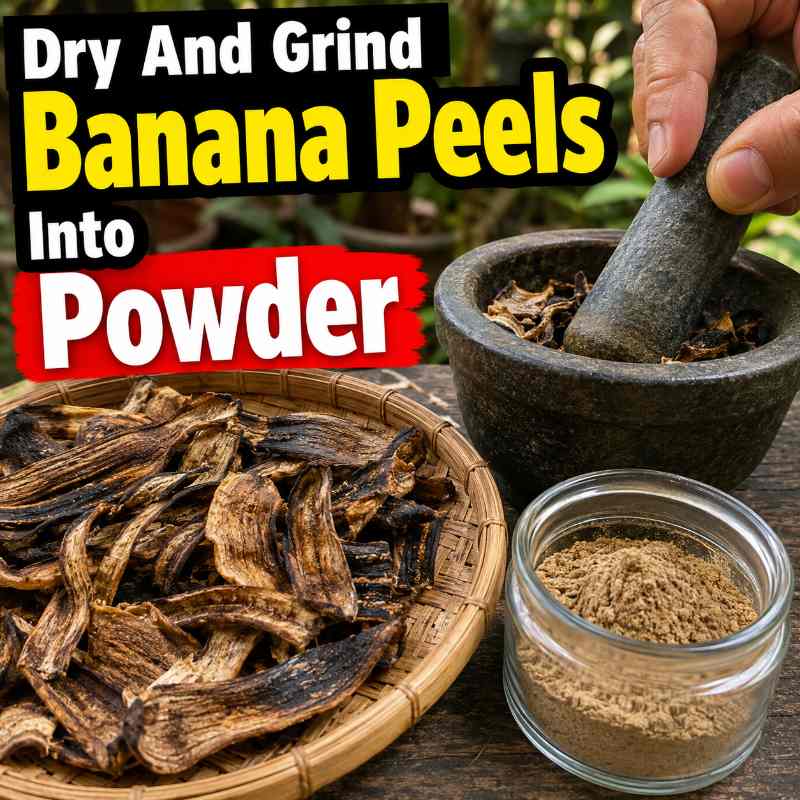
This is one of the cleanest ways to use banana peels, especially if you want to store them for later.
You can dry banana peels in the sun, in a low oven, or in a dehydrator until they are crisp. Once fully dry, grind them into small pieces or powder.
Sprinkle a small amount into the soil, mix it into potting compost, or add it around hungry plants.
This method is tidy, easy to store, and less likely to attract pests than fresh peels.
Smart gardener tip: Keep the powder in a labelled jar so it is ready when your plants need a gentle boost.
5. Add Them To Worm Compost
If you have a wormery, banana peels can be a great addition in small amounts.
Worms usually enjoy soft fruit scraps, but banana peels should be chopped up and added gradually. Too many at once can make the bin too wet or acidic.
Always balance banana peels with bedding materials such as shredded cardboard, paper, or dry leaves.

Mistakes To Avoid With Banana Peels ⚠️
Banana peels are useful, but they can cause problems if used the wrong way. Here are the mistakes smart gardeners avoid.
Do Not Leave Whole Peels On Top Of The Soil
A whole banana peel sitting on the soil may attract flies, slugs, ants, rodents, or other pests. It also looks messy and takes longer to break down.
Chop it, bury it, dry it, or compost it instead.
Do Not Use Too Many At Once
More is not always better. Too much fresh fruit waste can make soil or compost wet, smelly, and unbalanced.
Use banana peels as a small supplement, not the main food source for your plants.
Do Not Expect Instant Results
Banana peels need time to break down. Plants do not instantly absorb nutrients from a fresh peel. Composting or drying helps make the nutrients more useful.
Be Careful With Indoor Plants
Fresh banana peel in houseplant pots can attract fungus gnats and create smells. For indoor plants, dried banana peel powder or diluted banana peel water is usually better.
Wash Peels If Needed
If you are worried about residues on shop-bought bananas, give the peel a quick rinse before using it in the garden.
Why This Trick Is So Popular With Frugal Gardeners 💚
One of the best things about using banana peels in the garden is that it turns waste into value.
Instead of buying another bottle of plant feed or throwing organic matter into the bin, you are reusing something you already paid for.
It is also simple, old-fashioned, and satisfying. There is something very rewarding about looking at a kitchen scrap and thinking, “That can still do something useful.”
Banana peels help you:
🌱 Reduce kitchen waste
💰 Save money on garden extras
🍅 Support fruiting and flowering plants
🌹 Feed compost naturally
♻️ Make your garden more self-sufficient
🪴 Use everyday scraps in a smarter way
This is exactly the kind of small habit that adds up over time. One banana peel might not transform your garden overnight, but a season of saving scraps, composting well, and feeding your soil naturally can make a real difference.
Quick Banana Peel Garden Recipe 🍌
Here is a simple way to use banana peels without making a mess.
You Will Need
1 or 2 banana peels
A knife or scissors
A jar or compost bucket
Water, optional
A garden bed, compost bin, or plant pot
Method 1: Compost Booster
- Chop the banana peels into small pieces.
- Add them to your compost bin.
- Mix with dry leaves, cardboard, or shredded paper.
- Let the compost break down as usual.
- Use the finished compost around your plants.
Method 2: Banana Peel Water
- Chop 1 banana peel into small pieces.
- Place it in a jar.
- Cover with water.
- Leave for 24 to 48 hours.
- Strain and use the liquid to water plants at the base.
- Add the leftover peel pieces to the compost.
Method 3: Dry Banana Peel Powder
- Dry banana peels until crisp.
- Grind or crush them into small pieces.
- Sprinkle lightly into soil or compost.
- Store leftovers in a dry jar.
Extra Tips For Better Results 🌿
Chop peels small. The smaller the pieces, the faster they break down.
Use with compost. Banana peels work best as part of a bigger soil-feeding routine.
Do not overdo it. A little here and there is enough.
Keep it buried. If using fresh peels outdoors, bury them properly to avoid pests.
Use during the growing season. Fruiting and flowering plants benefit most when they are actively growing.
Pair with other scraps. Eggshells, coffee grounds, vegetable scraps, and dry leaves can all help build better compost when used correctly.
Watch your plants. If leaves yellow, growth slows, or plants look stressed, they may need more than banana peels. Good gardening is about balance.
Common Questions About Using Banana Peels In The Garden

Are banana peels good for tomato plants?
Yes, banana peels can be useful for tomato plants when composted or buried in small chopped pieces. Tomatoes are heavy feeders, so banana peels should be used alongside compost, mulch, and proper watering.
Can I put banana peels straight into the soil?
You can, but it is best to chop them first and bury them several inches deep. Do not leave whole peels sitting on top of the soil because they may attract pests.
Do banana peels attract rats?
They can attract pests if left exposed. To reduce the risk, compost them properly, bury them deep, or dry them before using.
Is banana peel water good for plants?
Banana peel water can be used as a mild occasional feed, but it is not a complete fertiliser. Use it every few weeks and avoid letting it sit until it smells bad.
Can I use banana peels on houseplants?
Yes, but be careful. Fresh banana peel in houseplant pots can attract flies. For indoor plants, dried peel powder or strained banana peel water is usually better.
How long does it take for banana peels to break down?
It depends on the method and conditions. Chopped peels break down faster than whole peels. In a warm active compost bin, they can break down much quicker than in cold soil.
Are banana peels enough to fertilise my garden?
No. Banana peels are helpful, but they are not a complete fertiliser. They should be part of a bigger soil care routine that includes compost, mulch, and good plant care.
Final Thoughts: Stop Throwing Away Free Garden Food 🍌🌱
Banana peels may seem like rubbish, but to a smart gardener, they are a simple, free, and useful way to feed the soil.
They can boost compost, support flowering and fruiting plants, reduce waste, and help you garden in a more frugal, natural way. The trick is using them properly. Chop them, compost them, dry them, or soak them. Just do not toss whole peels around the garden and expect magic.
Gardening does not always need to be expensive. Sometimes the best tricks are sitting right in your kitchen bin.
So next time you eat a banana, think twice before throwing the peel away.
Your tomatoes, roses, peppers, compost bin, and wallet might thank you. 🍌💚