

15 Things You Should Never Throw Away If You Garden 🌱
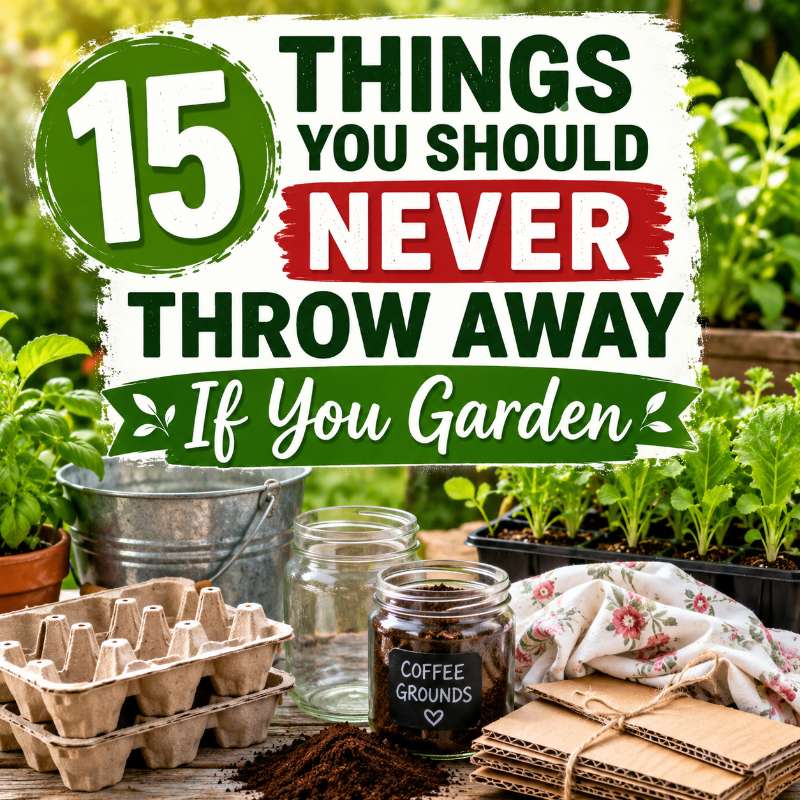
Egg cartons, jars, cardboard, buckets, coffee grounds and more garden “rubbish” that can save you money
Gardeners are some of the best recyclers in the world, even if they do not always call it recycling.
That empty jar? Useful.
That cardboard box? Garden gold.
That cracked bucket? Still has a job to do.
Those coffee grounds? Your plants might thank you.
Before you throw something in the bin, ask yourself one simple question:
“Could this help me grow more food, save money, or make gardening easier?”
The answer is often yes.
Gardening does not have to be expensive. In fact, some of the most useful garden tools, seed starters, plant supports and soil helpers are already sitting in your recycling pile. Here are 15 things you should never throw away if you garden and clever ways to reuse them. 🌿
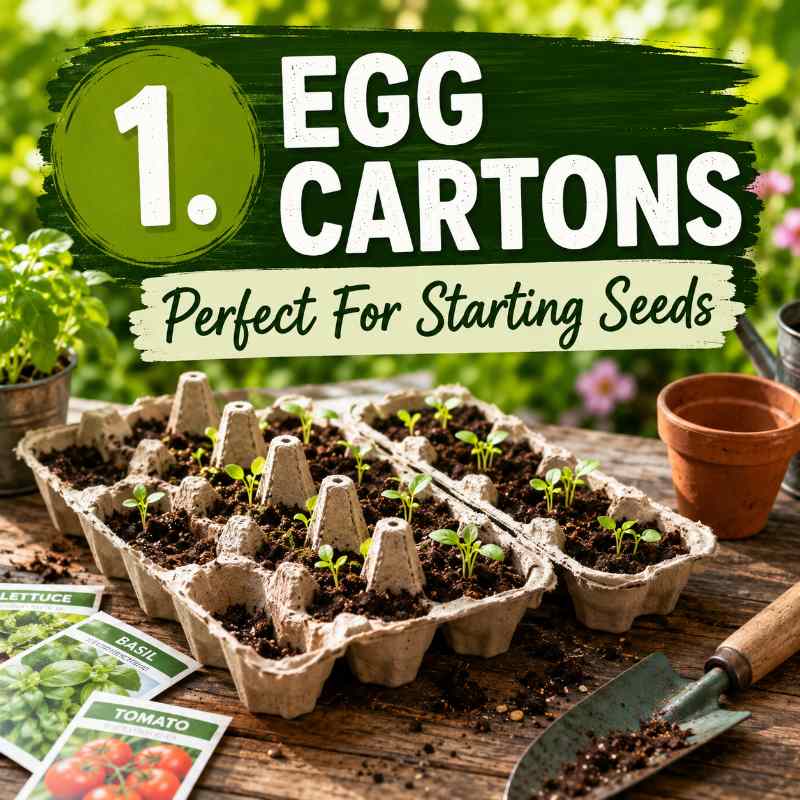
1. Egg Cartons 🥚
Egg cartons are perfect for starting seeds.
Each little cup is just the right size for seedlings like tomatoes, lettuce, peppers, herbs and flowers. Cardboard egg cartons are especially handy because they can often be torn apart and planted straight into the soil.
How to use them:
- Fill each section with compost
- Add one or two seeds
- Keep lightly watered
- Place on a sunny windowsill
- Transplant when seedlings are strong enough
Tip: Poke a tiny drainage hole in the bottom of each cup so the roots do not sit in water.
2. Glass Jars 🫙
Old jars are one of those things gardeners should always keep.
They can be used for storing seeds, collecting rainwater samples, rooting cuttings, mixing homemade garden sprays, or making mini cloches for young plants.
Great uses for jars:
- Store dried seeds
- Root herb cuttings in water
- Cover tiny seedlings on chilly nights
- Hold plant labels
- Mix liquid feeds
Just make sure jars used outdoors are placed safely so they do not break or become a hazard.
3. Cardboard Boxes 📦
Cardboard is a gardener’s secret weapon.
It is brilliant for suppressing weeds, creating new beds, protecting soil and adding organic matter as it breaks down.
Lay plain cardboard over grass or weeds, wet it down, then cover with compost, mulch or leaves. Over time, the cardboard helps smother weeds and improves the soil underneath.
Avoid: Shiny, waxy or heavily printed cardboard.
4. Plastic Buckets 🪣
A cracked bucket might not be good for mopping anymore, but it can still work hard in the garden.
Buckets can become planters, compost collectors, weed tubs, tool holders or mini water butts.
Garden uses:
- Grow potatoes
- Grow tomatoes
- Carry compost
- Collect weeds
- Store hand tools
- Make a DIY worm bin
Drill drainage holes in the bottom if you are using one as a planter.
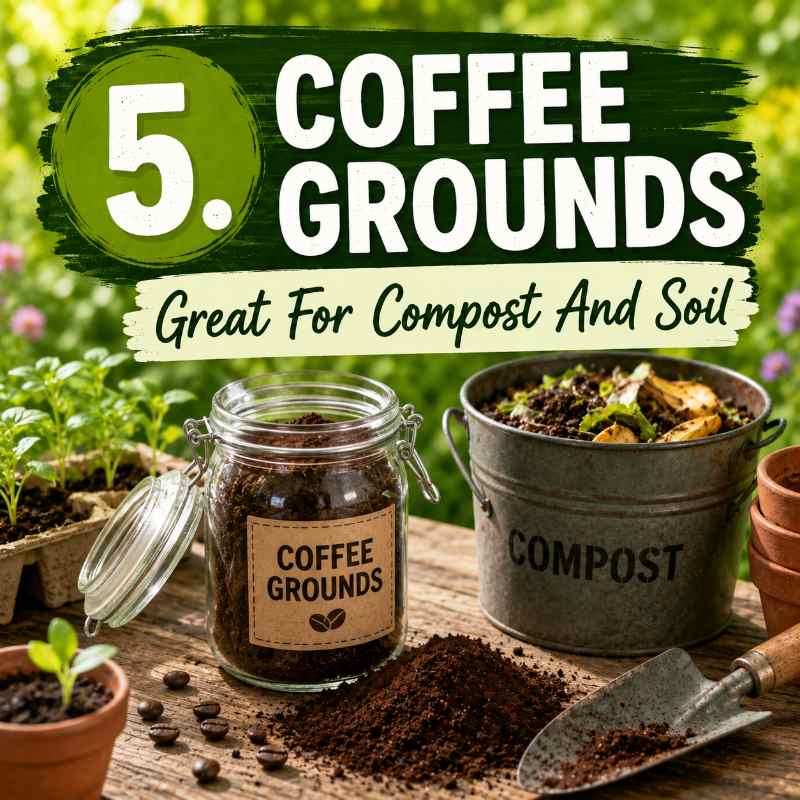
5. Coffee Grounds ☕
Coffee grounds are one of the most talked-about garden leftovers.
They can be added to compost in small amounts, sprinkled lightly around certain plants, or mixed into worm bins. They are rich in organic matter and can help improve compost texture.
Best way to use them:
- Add thin layers to compost
- Mix with dry material like leaves or cardboard
- Do not pile them thickly around plants
Too much can compact and stop water soaking through properly, so use them like a seasoning, not a blanket.
6. Old Curtains or Netting 🪟
Old sheer curtains, net curtains or lightweight fabric can be fantastic for garden protection.
They can help shield plants from birds, cabbage white butterflies, strong sun, and even light frost.
Use them to cover:
- Brassicas like cabbage and kale
- Strawberry beds
- Seedlings
- Young salad crops
- Raised beds
This is one of those clever reuses that feels almost too simple, but it works.
7. Toilet Roll Tubes 🧻
Do not throw away cardboard toilet roll tubes.
They make excellent deep seed starters for plants that like longer roots, such as beans, peas and sweet peas.
How to use them:
- Stand tubes upright in a tray
- Fill with compost
- Sow seeds
- Water gently
- Plant the whole tube when ready
The cardboard breaks down naturally in the soil.
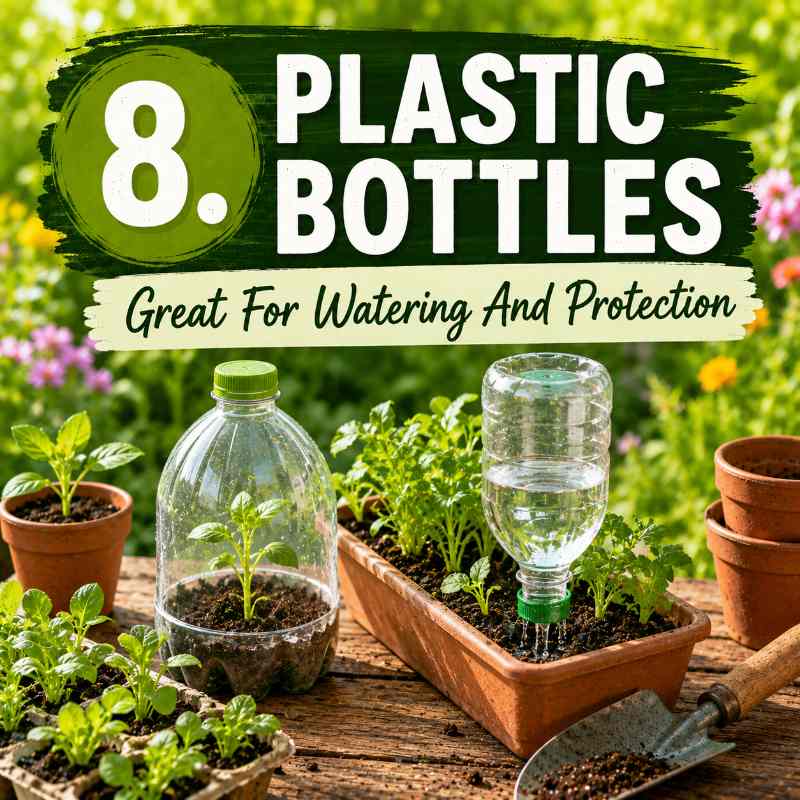
8. Plastic Bottles 🧴
Plastic bottles can be turned into mini greenhouses, watering tools, slug barriers or plant protectors.
Cut the bottom off a clear bottle and place it over a young plant to create a simple cloche. This helps trap warmth and protect seedlings from wind.
Other uses:
- DIY drip waterer
- Scoop for compost
- Plant label strips
- Mini greenhouse dome
Just remove the cap if plants need airflow.
9. Newspaper 📰
Newspaper is useful for seed starting, composting and weed control.
You can use it as a biodegradable pot, lay it under mulch, or add shredded newspaper to the compost bin as a “brown” material.
Good for:
- Weed barriers
- Compost balance
- Worm bedding
- Seedling pots
Avoid glossy magazine-style paper and stick to ordinary newspaper pages.
10. Old Spoons and Cutlery 🍴
Old spoons, forks and knives can become surprisingly useful in the garden.
Spoons make brilliant plant labels when painted or written on. Forks can help gently lift seedlings. Old knives can be used for weeding between paving cracks.
Fun idea: Paint spoon heads with plant names for a rustic herb garden look.
11. Broken Terracotta Pots 🪴
Do not bin broken clay pots.
The pieces can be used as drainage crocks at the bottom of pots, decorative mulch, fairy garden pieces, or edging for small beds.
Use broken pieces to:
- Improve drainage
- Label plants
- Edge pathways
- Create insect hideaways
A broken pot still has plenty of life left in it.
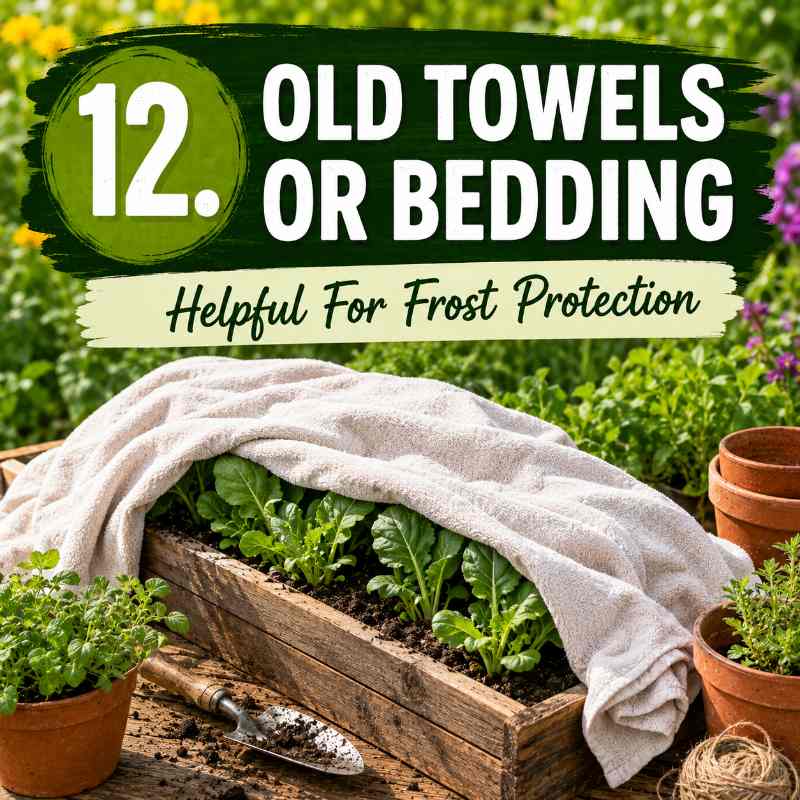
12. Old Towels or Bedding 🛏️
Old towels, sheets and bedding can be used to protect plants in emergency weather.
If a late frost is forecast, cover tender plants overnight and remove the fabric in the morning.
Useful for protecting:
- Tomatoes
- Courgettes
- Peppers
- Young beans
- Tender flowers
Avoid leaving heavy wet fabric on plants for too long, as it can damage stems.
13. Yogurt Pots and Food Tubs 🥣
Small plastic pots are perfect for seedlings.
Yogurt pots, butter tubs and takeaway containers can all be reused as seed trays or small planters. Just add drainage holes.
Great for:
- Starting herbs
- Potting on seedlings
- Holding labels
- Mixing compost
- Catching water under pots
This is one of the easiest ways to reduce gardening costs.
14. Wood Scraps 🪵
Small pieces of untreated wood can become plant labels, mini stakes, raised bed repairs or bug hotel materials.
Use wood scraps for:
- Plant markers
- Row labels
- Supports for young plants
- Edging
- Wildlife piles
Important: Avoid using treated wood near edible crops unless you know it is safe for garden use.
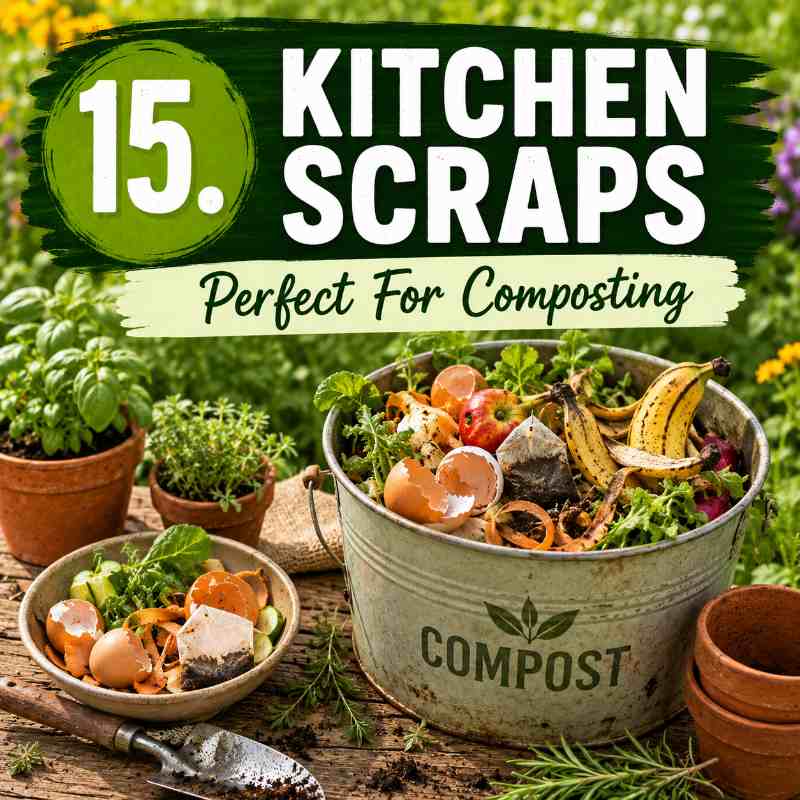
15. Kitchen Scraps 🥕
Not all kitchen scraps belong in the bin.
Fruit and veg peelings, eggshells, tea bags without plastic, and leftover raw plant material can all go into compost.
Great compost scraps include:
- Vegetable peelings
- Fruit scraps
- Crushed eggshells
- Tea leaves
- Old herbs
- Banana skins
Avoid adding meat, dairy, cooked oily food or pet waste to a basic home compost bin.
Why This Matters 🌍
Saving garden “rubbish” is not just about being frugal. It can completely change how you garden.
You can:
- Save money on pots, labels, seed trays and plant protection
- Reduce waste going into the bin
- Grow more food with things you already have
- Improve your soil naturally
- Protect seedlings without buying fancy equipment
- Make gardening feel more creative and rewarding
Sometimes the best garden tools are the ones you were about to throw away.
Common Questions About Reusing Household Items In The Garden
Can I use any cardboard in the garden?
Use plain cardboard where possible. Avoid shiny, waxed, greasy or heavily printed cardboard, especially around edible plants.
Are coffee grounds good for all plants?
Coffee grounds are best used in compost or lightly mixed into soil. Do not pile them thickly around plants.
Can I reuse plastic food tubs for growing vegetables?
Yes, as long as they are clean and have drainage holes. They are great for starting seeds and growing small herbs.
Is newspaper safe to compost?
Ordinary newspaper is usually fine for composting or weed control. Avoid glossy paper and plastic-coated pages.
What is the best item to save for seed starting?
Egg cartons, toilet roll tubes and yogurt pots are some of the easiest and cheapest seed-starting options.
Final Thoughts 🌱
Before you throw something away, pause for a second.
That egg carton could grow your next tray of seedlings.
That cardboard box could stop weeds.
That old curtain could protect your cabbage.
That cracked bucket could become a potato planter.
Gardening does not have to be expensive, perfect or full of fancy equipment. Sometimes the most useful items are already in your kitchen, cupboard, recycling bin or garage.
So next time you are about to bin something, ask yourself: could this have one more job in the garden?
You might be surprised how often the answer is yes. 🌿