

3 Homemade Flea Repellent Shampoo Recipes
Make sure to like Living Green and Frugally on Facebook, Shop at amazon to help support my site and explore our PINTEREST BOARDS for innovative ways you can become self-sufficient.
Fleas are one of those tiny household problems that can turn into a full-blown nightmare fast. One minute your dog is having a little scratch, and the next you are washing bedding, vacuuming carpets, checking ankles, and wondering where on earth they came from.
The good news? You do not always need to reach straight for expensive shop-bought flea shampoos loaded with strong smells and mystery ingredients. Sometimes, a simple homemade flea repellent shampoo can help freshen your dog’s coat, soothe irritated skin, and make your pet far less inviting to those horrible little jumpers.
These 3 homemade flea repellent shampoo recipes are simple, budget-friendly, and made with everyday ingredients many people already have at home. They are not a replacement for proper veterinary treatment if your pet has a serious flea infestation, but they can be a useful natural option for regular washing, prevention, and helping keep your dog comfortable.
Before using any homemade shampoo, always do a small patch test first and avoid using essential oils on cats, puppies, pregnant pets, or animals with sensitive skin unless your vet says it is safe.
Why Homemade Flea Shampoo Is So Popular 🌿
Homemade flea shampoo has become popular for one simple reason: people want a gentler, cheaper, and more natural way to care for their pets.
Commercial flea products can be useful, especially during a bad infestation, but many pet owners also like having a homemade option for regular bath time. A good homemade flea repellent shampoo can help:
✅ Wash away dirt, grease, and flea debris
✅ Make your dog’s coat smell fresher
✅ Help soothe itchy skin
✅ Reduce the “flea-friendly” smell on your pet
✅ Save money compared with some shop-bought shampoos
✅ Give you more control over what touches your dog’s skin
Fleas dislike certain scents, and ingredients like apple cider vinegar, mild soap, oatmeal, and rosemary are often used in natural pet-care routines. The trick is keeping things gentle, diluted, and pet-safe.
Important Safety Notes Before You Start ⚠️
This part matters.
Dogs have different skin from humans, and some natural ingredients can still irritate them if used the wrong way. Always keep these safety tips in mind:
Do not use essential oils unless you are sure they are dog-safe and properly diluted. Many essential oils can be too strong for pets.
Never use homemade flea shampoo on cats. Cats are very sensitive to many ingredients, especially essential oils.
Avoid eyes, ears, nose, mouth, and broken skin.
Rinse very well. Leftover shampoo can cause itching.
Speak to a vet if your dog has open sores, severe scratching, hair loss, allergies, or a heavy flea infestation.
Homemade shampoos can help repel fleas and wash some away, but if fleas are already in your carpets, sofa, bedding, and garden, you need to treat the whole environment too.
Recipe 1: Simple Apple Cider Vinegar Flea Repellent Shampoo 🍎
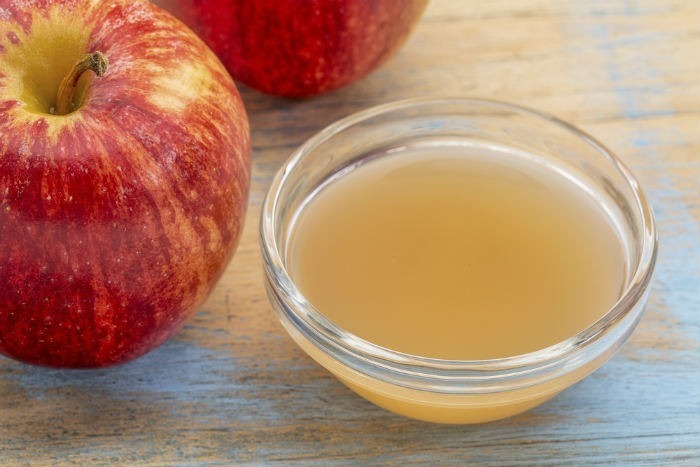
This is one of the easiest homemade flea shampoo recipes because it uses basic ingredients and takes only a minute to mix.
Apple cider vinegar does not kill fleas like a chemical treatment, but many people use it because fleas dislike the smell and acidity. It can also help freshen a dog’s coat when diluted properly.
Ingredients
- 1 cup warm water
- 1 cup apple cider vinegar
- ¼ cup mild, unscented liquid castile soap or gentle dog-safe shampoo
How To Make It
Add the warm water and apple cider vinegar to a clean bottle. Pour in the mild soap or gentle dog shampoo. Put the lid on and shake gently to combine.
Do not shake too hard or it may foam everywhere.
How To Use It
Wet your dog’s coat with lukewarm water. Apply the shampoo slowly, starting at the neck and working down the body. Fleas often run toward the head when a dog gets wet, so starting around the neck can help create a barrier.
Massage into the coat for 3 to 5 minutes, avoiding the eyes, ears, nose, and mouth. Rinse thoroughly until the water runs clear.
Best For
This recipe is best for dogs who need a quick freshen-up and a simple flea-repelling wash. It is especially useful during warmer months when fleas are more active.
Extra Tip
If your dog dislikes the vinegar smell, rinse extra well and follow with a plain water rinse. The smell usually fades once the coat dries.
Recipe 2: Soothing Oatmeal Flea Repellent Shampoo 🌾
If your dog has been scratching, oatmeal can be a lovely gentle ingredient. It is often used in pet shampoos because it can help calm dry, itchy skin.
This recipe is a good option when your dog needs a softer, more soothing wash.
Ingredients
- 1 cup plain oats
- 1 cup warm water
- ½ cup baking soda
- ¼ cup mild, unscented liquid castile soap or gentle dog-safe shampoo
How To Make It
Blend the oats in a blender or food processor until they become a fine powder. The finer the oats, the easier the shampoo will be to rinse out.
Add the oat powder, warm water, baking soda, and mild soap to a bowl or bottle. Mix until it forms a creamy shampoo-like texture.
How To Use It
Wet your dog’s coat with lukewarm water. Apply the oatmeal shampoo and massage it gently into the fur and skin.
Let it sit for around 5 minutes if your dog is calm enough. This gives the oatmeal time to soothe the skin. Rinse very well, especially if your dog has a thick coat.
Best For
This recipe is best for dogs with mild itching, dry skin, or irritation from scratching. It is a gentler choice than vinegar-based shampoos.
Extra Tip
Use plain oats only. Do not use flavoured porridge sachets, sweetened oats, or anything with added milk powder, sugar, flavourings, or spices.
Recipe 3: Rosemary Flea Repellent Dog Shampoo 🌿
Rosemary has a fresh herbal scent that many people use in natural flea-repelling routines. This recipe makes a rosemary-infused rinse that can be mixed with a gentle shampoo.
It smells clean, feels old-fashioned, and is a lovely option if you prefer a garden-style homemade remedy.
Ingredients
- 2 cups water
- 2 tablespoons dried rosemary or a small handful of fresh rosemary
- ¼ cup mild dog-safe shampoo
How To Make It
Add the water and rosemary to a small pan. Bring it to a gentle simmer, then turn off the heat and let it steep until fully cool.
Strain out the rosemary and pour the liquid into a clean bottle. Add the mild dog shampoo and shake gently.
How To Use It
Wet your dog’s coat with lukewarm water. Apply the rosemary shampoo and massage it through the fur, especially around the back, belly, tail base, and legs.
Leave it on for 3 to 5 minutes, then rinse well.
Best For
This is a nice all-round shampoo for dogs who need a fresh herbal wash during flea season.
Extra Tip
Make only enough for one or two baths and store leftovers in the fridge for no more than a few days. Homemade mixtures do not contain preservatives, so they should not be kept for long.
How Often Should You Use Homemade Flea Shampoo? 🛁
Most dogs do not need bathing too often. Washing too much can dry out their skin and make itching worse.
A good general guide is:
- Use homemade flea shampoo no more than once a week during flea season
- Use it less often if your dog has dry or sensitive skin
- Rinse thoroughly every time
- Stop using it if your dog becomes red, itchy, flaky, or uncomfortable
For regular prevention, focus more on vacuuming, washing bedding, combing your dog with a flea comb, and keeping outdoor resting areas clean.
The Flea Comb Trick That Makes Shampoo Work Better 🪮
Here is the part many people skip.
After bathing your dog, use a flea comb while the coat is still slightly damp. Comb slowly through the fur, especially around the neck, tail base, belly, and behind the ears.
Keep a bowl of warm soapy water beside you. If you catch fleas or flea dirt, dip the comb into the water.
This simple step can make a big difference because shampoo may loosen fleas, but the comb helps physically remove them.
Do Not Forget Your Home 🏡
A flea problem is rarely just on the dog.
Fleas lay eggs in bedding, carpets, rugs, sofas, cracks in flooring, and anywhere your pet sleeps. If you only wash your dog but ignore the house, fleas can come back quickly.
To help break the cycle:
✅ Wash pet bedding on a hot wash if the fabric allows
✅ Vacuum carpets, rugs, sofas, and skirting boards
✅ Empty the vacuum straight away
✅ Wash blankets and throws your dog sleeps on
✅ Keep grass and outdoor pet areas tidy
✅ Repeat cleaning often during flea season
Homemade shampoo can help your pet, but cleaning the environment is what helps stop fleas from taking over.
Simple Tips For Better Results ✨
Start at the neck. This helps stop fleas running up toward your dog’s face.
Use lukewarm water. Hot water can irritate skin.
Massage gently. Scrubbing hard can make itching worse.
Rinse longer than you think. Leftover soap is one of the biggest causes of post-bath irritation.
Dry your dog properly. Damp fur can make some dogs uncomfortable and itchy.
Use a flea comb after bathing. It is cheap, simple, and very effective for checking what is really in the coat.
Watch your dog after using a new recipe. If they scratch more, lick excessively, or develop redness, stop using it.
Common Questions About Homemade Flea Shampoo

Does homemade flea shampoo kill fleas?
Homemade flea shampoo may help wash away fleas and make your dog less attractive to them, but it may not kill fleas as reliably as veterinary flea treatments. For a serious infestation, speak to your vet.
Can I use these flea shampoo recipes on cats?
No. These recipes are written for dogs only. Cats are much more sensitive to many ingredients, especially essential oils and strong scents. Always use cat-specific flea products recommended by a vet.
Can I add lavender or tea tree oil?
Be very careful. Some essential oils can be unsafe for pets, especially when used too strongly. Tea tree oil in particular can be dangerous for dogs if used incorrectly. It is safer to avoid essential oils unless your vet confirms they are suitable for your pet.
Why does my dog still have fleas after a bath?
Because fleas may also be living in your home. Eggs and larvae can hide in carpets, bedding, furniture, and floor cracks. Bathing your dog is only one part of flea control.
Can I use washing-up liquid as flea shampoo?
It is not ideal for regular use because it can strip oils from your dog’s skin and cause dryness. A mild dog-safe shampoo or unscented gentle castile soap is a better option.
Which recipe is best for itchy skin?
The oatmeal recipe is usually the gentlest choice for dogs with mild itching or dry skin.
How long should I leave homemade flea shampoo on my dog?
Around 3 to 5 minutes is usually enough. Do not leave it on too long, and never let your dog lick the shampoo.
Final Thoughts: Simple, Cheap, And Worth Trying 🐾
Fleas are frustrating, but you do not have to panic the second your dog starts scratching. These 3 homemade flea repellent shampoo recipes are simple, affordable, and easy to make with basic ingredients.
The apple cider vinegar shampoo is quick and fresh. The oatmeal shampoo is soothing and gentle. The rosemary shampoo gives you that old-fashioned herbal feel that fits perfectly with natural home care.
Just remember, homemade flea shampoo works best as part of a bigger routine. Wash your dog, use a flea comb, clean bedding, vacuum often, and keep an eye out for signs that the problem is getting worse.
A clean dog, a clean home, and a little regular prevention can go a long way. 🐶✨
Disclaimer
This article is for general information and home-use inspiration only. Homemade flea repellent shampoo recipes are not a substitute for professional veterinary advice, diagnosis, or treatment. Always check with your vet before using homemade products on your pet, especially if your dog is a puppy, elderly, pregnant, nursing, unwell, has allergies, sensitive skin, open wounds, or is already using flea medication.
These recipes are intended for dogs only and should not be used on cats or other animals unless approved by a qualified vet. Avoid contact with the eyes, ears, nose, mouth, and broken skin. Always do a small patch test first and stop using immediately if your pet shows signs of irritation, redness, excessive scratching, licking, discomfort, vomiting, weakness, or unusual behaviour.
Flea problems can become serious and may require vet-approved flea treatment and proper cleaning of your home environment. Use homemade remedies responsibly and at your own discretion.