

How To Dye A Pair of Faded Jeans

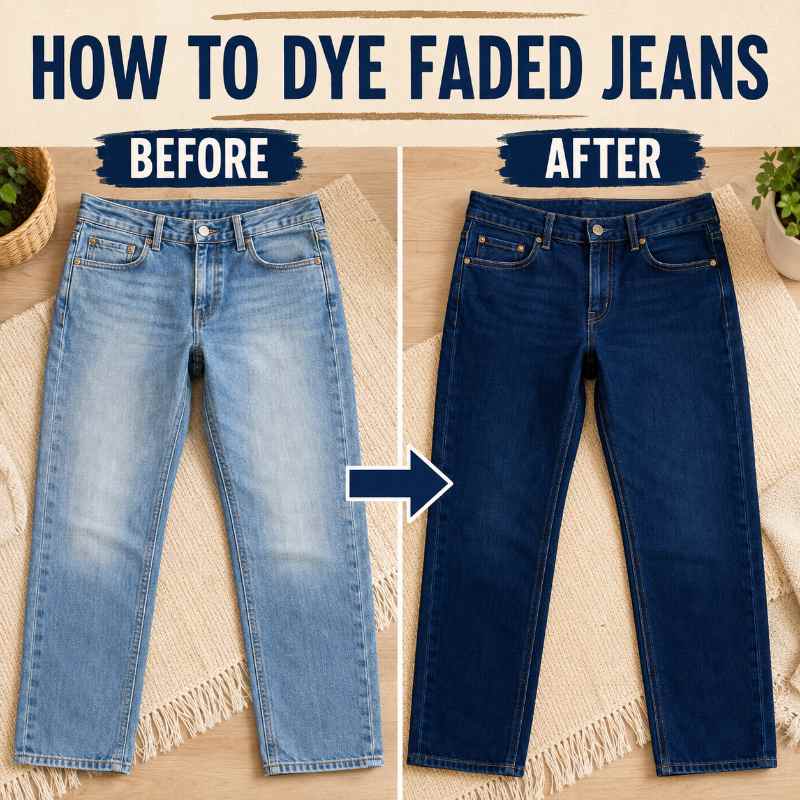
That favourite pair of jeans may fit perfectly, but years of washing and wearing can leave them looking pale, patchy and tired. Instead of throwing them away, you can refresh the colour at home with a packet of fabric dye.
Dyeing faded jeans is inexpensive, surprisingly simple and a great way to extend the life of clothing you already own. You can restore the original blue or black, or give your jeans a completely new colour.
Best of all, you do not need any specialist equipment. With the correct dye and a little patience, those tired-looking jeans could soon become one of your favourite items of clothing again.
Can Faded Jeans Be Dyed?
Most denim jeans can be successfully dyed, especially when they are mainly made from cotton. Always check the care label before choosing your dye.
- 100% cotton: Absorbs fabric dye extremely well.
- Cotton and elastane: Can usually be dyed successfully.
- Polyester blends: May require a synthetic fabric dye.
- Coated or distressed denim: May absorb the colour unevenly.
The stitching on many pairs of jeans is made from polyester. It may remain its original colour, creating the contrasting stitching commonly found on traditional denim.
Jeans containing a small percentage of elastane can normally be dyed. However, you should avoid using water that is hotter than the temperature recommended on the care label.
What You Will Need
Gather everything you need before preparing the dye. Once the process begins, you will need to keep moving and stirring the jeans to achieve an even finish.
- One pair of clean, faded jeans
- Fabric dye suitable for cotton or denim
- Salt, if required by the dye manufacturer
- Washing-up liquid or mild laundry detergent
- Rubber gloves
- An old wooden spoon or stirring utensil
- A large bucket, washing-up bowl or stainless-steel pot
- Hot water
- Old towels or plastic sheets
- A measuring jug
- Dye fixative, optional but recommended
Always read the instructions supplied with your fabric dye. The required water temperature, amount of salt and dyeing time can vary between brands.
How Much Dye Do You Need?
One standard packet or bottle of fabric dye is normally enough for one pair of average-sized jeans. However, the final result will depend on the weight of the jeans and their original colour.
Consider using additional dye if:
- The jeans are large or made from heavy denim.
- You want a rich black or dark navy finish.
- The original colour is extremely faded.
- You are dyeing more than one item.
Black jeans often need extra dye because achieving a deep, even black can be more difficult than refreshing blue denim.
Weighing the dry jeans can help you calculate how much dye you need. Look on the dye packaging for the recommended amount for each pound or kilogram of fabric.
How To Dye Faded Jeans Step by Step
Step 1: Wash the Jeans
Wash the jeans before dyeing them, but do not use fabric conditioner.
Dirt, oil, detergent residue and fabric conditioner can prevent the dye from soaking into the fibres evenly. Pay particular attention to greasy areas around the pockets, knees and waistband.
Do not dry the jeans after washing. Fabric dye is usually applied to clean, damp material because damp fibres absorb the colour more evenly.
Step 2: Protect Your Work Area
Fabric dye can stain worktops, flooring, clothing and kitchen equipment.
Cover the surrounding area with old towels, plastic sheets or bin bags. Wear rubber gloves and old clothing throughout the entire process.
If you use a bucket or bowl, choose one that you do not mind staining. Stainless steel is normally suitable, but avoid delicate enamel, fibreglass and porous containers.
Step 3: Prepare the Dye Bath
Fill your container with enough hot water to allow the jeans to move freely. If they are packed tightly into a small container, the dye may create streaks or pale patches.
Prepare the dye according to the packet instructions. Some powdered dyes must be dissolved separately in a jug of hot water before being added to the main dye bath.
If instructed, add salt to help the dye bond with the cotton fibres. Stir thoroughly until the dye and salt have completely dissolved.
Step 4: Add the Damp Jeans
Unfold the damp jeans and slowly lower them into the dye bath.
Make sure every part of the denim is submerged. Remove trapped air from the pockets and folded areas by gently pressing the jeans beneath the surface.
Do not drop the jeans into the dye in a tight bundle. This could produce an uneven or tie-dyed effect.
Step 5: Stir Regularly
Stir and move the jeans continuously for the first 10 to 15 minutes. This is when the fabric begins absorbing much of the colour.
Continue stirring frequently throughout the remaining dyeing time. Most dyes require approximately 30 to 60 minutes, although you should follow the instructions supplied with your product.
Move the legs, waistband, pockets and seams around the container so every section receives equal exposure to the dye.
Remember that wet denim looks considerably darker than it will after rinsing and drying.
Step 6: Rinse Away the Excess Dye
Carefully remove the jeans while continuing to wear your gloves.
Rinse them in warm water before gradually changing to cooler water. Continue rinsing until the water runs almost clear.
This can take several minutes, particularly when using black or dark-blue dye. Rinsing thoroughly helps remove loose dye that could otherwise transfer onto your skin, furniture or other clothes.
Step 7: Wash the Jeans Separately
Wash the newly dyed jeans on their own using a mild detergent. Select a cool or gentle cycle unless the dye instructions recommend a different setting.
You can place an old dark towel in the machine to help balance the load, but only use something you do not mind potentially staining.
Clean the washing machine afterwards by running an empty hot cycle with detergent or by following the machine manufacturer’s cleaning instructions.
Step 8: Allow the Jeans To Dry
Air-drying is usually the gentlest choice. Hang the jeans away from strong, direct sunlight, which could immediately begin fading the new colour.
If the care label and dye instructions allow tumble drying, use a low-temperature setting.
Wait until the jeans are completely dry before judging the final colour. Fabric nearly always appears darker while it is wet.
How To Dye Jeans in a Washing Machine
Some modern fabric dyes are designed to be used directly inside a front-loading washing machine. This method can be less messy and gives the jeans plenty of room to move.
Always confirm that your particular dye is suitable for washing-machine use before starting.
- Wash the jeans without fabric conditioner.
- Leave the clean jeans damp.
- Place the jeans inside the drum.
- Add the dye according to the manufacturer’s instructions.
- Run the recommended washing cycle.
- Wash the jeans again with detergent.
- Run an empty cleaning cycle afterwards.
Never pour dye into the detergent drawer unless the product instructions specifically tell you to do so.
After the final cycle, wipe around the washing-machine door, rubber seal and detergent drawer to remove any remaining traces of dye.
How To Keep the New Colour From Fading
All dyed fabrics will eventually lose some colour, but careful washing can slow the process and keep your refreshed jeans looking good for longer.
- Turn the jeans inside out before washing.
- Wash them in cool water.
- Use detergent made for dark clothing.
- Choose a gentle or short washing cycle.
- Avoid washing the jeans unnecessarily.
- Keep the jeans away from bleach.
- Air-dry them away from direct sunlight.
- Wash them with similar dark colours.
A commercial dye fixative may also help reduce colour loss. Choose one that is compatible with your dye and fabric.
For the first few washes, always wash the jeans separately or with similar dark clothing. A small amount of loose colour may continue to come out of the fabric.
Common Mistakes To Avoid
Dyeing Dirty Jeans
Invisible oils, dirt and fabric conditioner can block the dye, resulting in pale or blotchy areas.
Using Too Little Water
The jeans need room to move. Crowding the container can cause creases, streaks and uneven coverage.
Failing To Stir
Leaving the jeans sitting in one position can create noticeably dark and light patches.
Choosing the Wrong Dye
Standard fabric dye may not colour jeans containing a high percentage of polyester. Check both the fabric label and dye packaging.
Expecting Stains To Disappear
Dye changes colour, but it does not necessarily hide grease, bleach marks or heavily worn areas. Bleached spots may absorb dye differently from the surrounding fabric.
Dyeing Over a Different Colour
Fabric dye is transparent rather than opaque. The starting colour will influence the final result. For example, adding blue dye to yellow denim could produce a greenish shade.
Frequently Asked Questions
Can I dye blue jeans black?
Yes. For the deepest result, use enough black dye for the weight of the jeans and allow the full recommended dyeing time. Very pale jeans may require a second treatment.
Will dye cover bleach marks?
It may make them less noticeable, but bleach can damage the fibres and cause uneven absorption. The marks could remain slightly lighter or darker than the surrounding denim.
Will the stitching change colour?
Possibly not. Many jeans use polyester thread, which may resist dye intended for cotton. This can leave attractive contrasting stitching.
Can I dye jeans more than once?
Yes. If the dried colour is not dark enough, wash the jeans and repeat the process with fresh dye.
Will the dye stain my washing machine?
A dye made specifically for washing-machine use should rinse away when used correctly. Run an empty cleaning cycle afterwards and wipe around the door seal and detergent drawer.
Can I dye stretch jeans?
Usually, provided that cotton is the main material. Avoid extremely hot water if the care label warns against it, as excessive heat may damage elastic fibres.
Give Your Favourite Jeans a Second Life
Learning how to dye a pair of faded jeans can save money, reduce clothing waste and rescue denim that still fits perfectly.
The key to an even finish is starting with clean, damp jeans, using the correct dye and keeping the fabric moving throughout the process.
Once rinsed, washed and dried, those tired old jeans could look good enough to wear for several more years.