

Numbers & Letters On Your Cast Iron? Find Out What They Mean
Make sure to like Living Green and Frugally on Facebook, Shop at amazon to help support my site and explore our PINTEREST BOARDS for innovative ways you can become self-sufficient.
In today’s modern kitchen, cast-iron cookware might seem like a relic of the past, but its charm and functionality make it an essential piece f🔍 Numbers & Letters On Your Cast Iron? Find Out What They Mean!
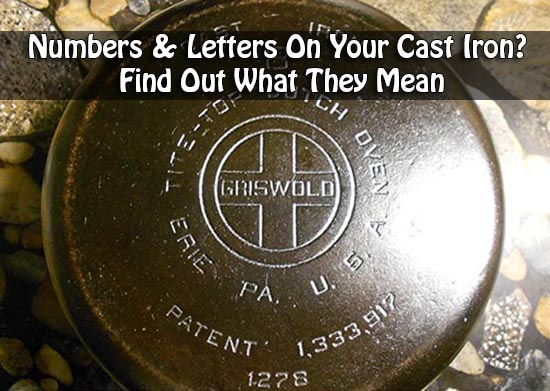
If you’ve ever flipped your beloved cast-iron skillet or Dutch oven and spotted mysterious numbers, letters, or symbols stamped or raised on the bottom, you’re not alone! Many cast iron owners wonder:
“What do those mean? Is it a size? A date? Is my pan rare?” 😅
Well, grab your favorite skillet and let’s solve the mystery together! 🕵️♀️
In this post, we’ll decode what those numbers and letters really stand for, explain why they matter, show you how to read them, and give you tips to identify your cast iron’s origin, size, and even its history.
🧩 Why Your Cast Iron Has Numbers & Letters
Before the 1950s, cast iron cookware was often made by hand in foundries using individual sand molds. Each mold had to be tracked and identified somehow — that’s where numbers and letters came in.
These markings helped workers and companies know:
- Which mold pattern was used 🧱
- What size the piece was 🔢
- Which worker or shift made it 👷♂️
- Sometimes even which stove eye the pan fit on 🔥
It wasn’t meant for collectors back then — it was practical factory information. But today, these codes are treasure maps for anyone trying to understand or date their cookware.
🧮 What the Numbers Mean
The big number on the bottom or handle of your skillet (like “3”, “8”, or “10”) usually indicates the size series — not the exact diameter in inches!
Here’s a quick guide to help you translate:
| Size Number | Approx. Top Diameter | Typical Bottom Diameter | Common Use |
|---|---|---|---|
| #3 | 6¼″ | 5″ | Small eggs, sauces |
| #5 | 8″ | 6¾″ | Cornbread, small meals |
| #6 | 9″ | 7½″ | Everyday skillet |
| #8 | 10½″ | 8¾″ | Family meals |
| #10 | 12″ | 10″ | Large meals, frying |
| #12 | 13¼″ | 11½″ | Camping or crowd cooking |
🔸 Fun fact: Early cast iron was designed to fit wood stove openings (“stove eyes”). So, a “#8” skillet fit a #8 stove eye — not an 8-inch pan! That’s why the numbers don’t line up perfectly with modern measurements.
🔠 What the Letters Mean
If your cast iron has something like “8B”, “3C”, or “10D”, that letter after the number is what collectors call a pattern letter.
This letter identified which mold pattern was used for that batch. Foundries often had multiple molds for popular sizes, so:
- “8A” and “8B” are the same size, but cast from different molds.
- It helped track mold wear or imperfections over time.
In short:
➡️ The number = size series
➡️ The letter = specific mold pattern
Neither one automatically makes your pan more valuable — but they can help you pinpoint its origin or confirm it matches a specific foundry’s catalog.
🏭 Maker’s & Pattern Numbers
If you see longer numbers or combinations like “710D”, “1053C”, or “8SK”, those are pattern or model identifiers.
- “8SK” = Size 8 Skillet (used by Lodge).
- “1053C” = Wagner or Griswold pattern number.
- “10DO” = Size 10 Dutch Oven.
Each manufacturer had its own coding system. So even if the numbers look similar, “#8” from Griswold may differ slightly in diameter from “#8” by Wagner or Lodge.
👷♂️ Moulder’s Marks & Shift Letters
On some pans, you’ll notice tiny, almost hidden marks — maybe a small raised number or letter off to the side.
These were moulder’s marks or shift identifiers — like a signature from the worker who made it, or a way to track which shift the pan came from.
They don’t affect value or usability, but they’re a charming reminder that your pan was once made by real hands in a foundry, not a robot on an assembly line. ❤️
📏 How To Read & Measure Your Cast Iron Correctly
Here’s how to make sense of your skillet step-by-step:
- Flip It Over – Find the number and letter markings on the bottom or handle.
- Measure Across the Top – Always measure across the rim, not the bottom.
- Compare With a Size Chart – Use the table above to confirm what size your “#” actually represents.
- Check for Pattern Letters or Long Codes – Note any letters or longer combinations for reference.
- Look for Clues to the Maker – Handle shapes, logos, and fonts can help you identify the brand and era.
🧠 Pro Tip: If your pan only says “10 IN.” instead of a number like “#8”, it’s likely a modern piece — most likely post-1950s, when foundries switched to inch measurements for retail simplicity.
💡 Why Knowing This Matters
You might wonder — why bother? Here’s why it’s worth decoding your markings:
1️⃣ Identify your brand and age.
Many foundries like Griswold, Wagner, and Favorite used unique marking styles. Knowing them can help date your piece accurately.
2️⃣ Find the right lid or accessories.
Knowing the true size (not just “#8”) ensures you buy the correct lid or trivet.
3️⃣ Avoid mismatched pieces.
Different brands’ “#8” pans don’t always match in size — the chart prevents buying the wrong fit.
4️⃣ Spot rare or collectible items.
Some markings or pattern numbers correspond to limited production runs — a collector’s dream!
5️⃣ Connect with history.
You’re holding a piece of craftsmanship from 50–100 years ago. Understanding it deepens your appreciation.
🧽 Tips for Caring for Marked Cast Iron
- Don’t scrub off markings. Use gentle cleaning — avoid aggressive sanding or wire brushes.
- Season regularly. A light oil coat after each wash keeps markings clear and your pan rust-free.
- Photograph your markings. Useful for tracking your collection or identifying online.
- Use it! The best cast iron isn’t the one on a shelf — it’s the one that cooks daily meals.
- Avoid harsh acids or soaking. These can dull or obscure markings over time.
❓ Common Questions About Cast Iron Markings
Q: Does a higher number mean better quality?
👉 No — it just means bigger size. A #12 isn’t “better” than a #6, it’s just larger.
Q: Is my pan more valuable if it has a letter?
👉 Not necessarily. The letter only shows which mold was used, though collectors sometimes prefer rare letter variations.
Q: My pan has no numbers or letters — why?
👉 Some department stores and regional foundries made “unmarked” cast iron. These are often just as high-quality but were sold under store brands like Sears or Montgomery Ward.
Q: Can I tell the age from the number alone?
👉 Usually not — the style, logo, and pour spouts are more reliable indicators of age.
Q: Are raised markings older than stamped ones?
👉 Yes! Raised markings were cast directly into the mold (common before 1940), while recessed/stamped ones came later.
🧠 Quick Summary Chart: Reading Your Cast Iron
| Feature | Meaning | Example | Notes |
|---|---|---|---|
| Big Number (#) | Size series | “#8” | Doesn’t equal inches |
| Letter After Number | Mold pattern | “8B” | Same size, different mold |
| Model/Pattern Number | Foundry ID | “1053C” | Brand-specific |
| “IN.” Markings | Modern inch size | “10 IN.” | Post-1950s |
| Small Raised Letter/Number | Moulder’s or shift mark | “C” | Worker ID |
🏁 Final Thoughts
Those little markings on your cast iron aren’t random — they’re part of your pan’s story. 🕰️
Every “#8A” or “3C” tells you where it came from, how it was made, and connects you to a time when cookware was built to last generations.
So next time you cook a Sunday breakfast, flip your skillet over, smile at those cryptic letters, and think:
“I know exactly what you mean now.” ❤️