

15 Foods That Are Ridiculously Cheap to Make at Home
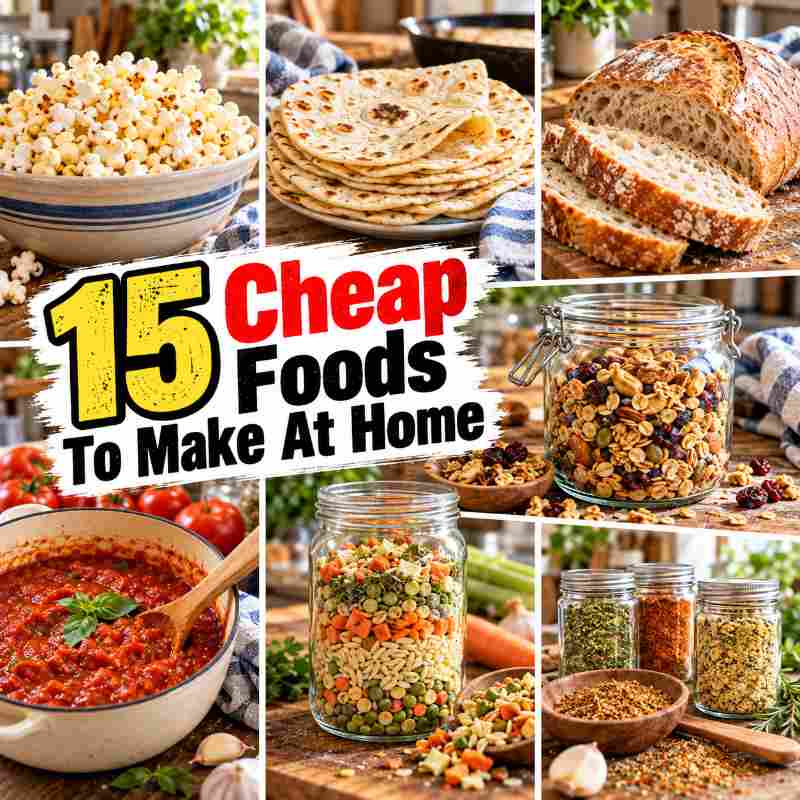
Some supermarket foods look cheap until you consider what is actually inside the packet. Flour, oats, dried beans, oil, herbs and a few other basic ingredients are often turned into convenience foods and sold for several times the cost of making something similar at home.
That does not mean homemade is automatically cheaper. Butter, nuts, specialty flours and long cooking times can quickly change the calculation. But there are certain foods where the ingredients are so simple, and the method so straightforward, that making them yourself can make a lot of sense.
You do not need to make all 15. Pick two or three foods your household buys regularly and see which homemade versions are worth keeping.
1. Popcorn

A bag of plain popcorn kernels is one of the simplest snack ingredients you can keep in the cupboard. You do not need microwave bags or expensive flavoured popcorn.
Put a little oil in a heavy saucepan, add the kernels, cover with a lid and cook until the popping slows. From there, the flavour is entirely up to you: salt, cinnamon sugar, grated Parmesan, chilli powder or whatever you already have.
The real saving comes from buying kernels rather than individually packaged portions. You also make exactly as much as you need, so there is less temptation to open several snack packets.
2. Flour Tortillas
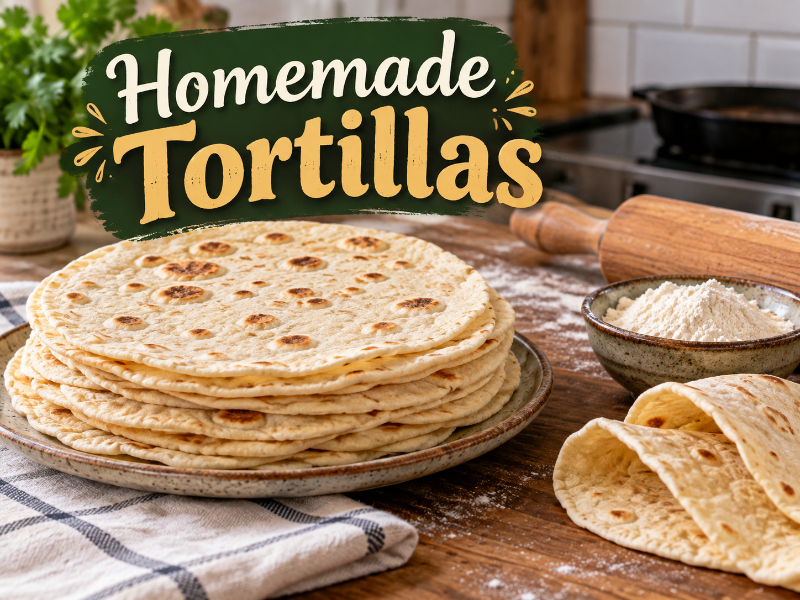
Tortillas are essentially a handful of inexpensive ingredients turned into something supermarkets can charge quite a lot for, particularly when they are sold as wraps.
A basic flour tortilla can be made with flour, baking powder, salt, oil and warm water. Mix a dough, divide it into balls, roll them thinly and cook each tortilla briefly in a hot frying pan.
They take a little longer than opening a packet, but the technique becomes much quicker once you have made them a few times. You do not even need a tortilla press for flour tortillas.
If you want exact quantities and instructions, this homemade flour tortilla recipe uses five basic ingredients and an ordinary frying pan.
3. Crackers
Crackers are another good example of paying mainly for preparation and packaging.
At their simplest, homemade crackers need flour, water, a little fat and salt. Roll the dough very thinly, cut it into pieces and bake until crisp. Seeds, dried herbs, garlic powder or grated cheese can be added when you want something more interesting.
The important part is rolling the dough evenly. Thick pieces may remain chewy while thin ones crisp properly, so consistency matters more than fancy ingredients.
Homemade crackers also fit naturally into the sort of pantry cooking found in these Depression-era recipes built around inexpensive staples.
4. Basic Bread

Bread can be as complicated as you want to make it, but an everyday loaf does not need a long ingredient list.
Flour, water, yeast and salt will get you most of the way there. Depending on the recipe, you might add a little sugar, milk or oil.
The comparison becomes especially favourable if your household normally buys bakery loaves, rolls or speciality bread rather than the cheapest supermarket loaf. Baking two loaves at once can also make better use of the oven, with the spare loaf frozen for later.
If kneading is what puts you off, this no-knead English muffin bread recipe is a useful example of bread that relies on a wet dough and rising time rather than lots of hands-on work.
5. Pizza Dough
Pizza dough is remarkably basic: flour, water, yeast, salt and usually a little oil.
That makes the dough itself one of the cheapest parts of a homemade pizza. Better still, pizza is useful for clearing out small amounts of food that might otherwise be forgotten: half an onion, a few mushrooms, leftover cooked chicken, an open jar of sauce or the last piece of cheese.
Make two or three portions of dough while you have the flour out. Freeze the extra portions and homemade pizza becomes much closer to a convenience meal.
It is the same principle behind many of the ideas in 20 things frugal people make instead of buy: the most useful homemade swaps tend to be things you use regularly rather than elaborate projects you attempt once.
6. Granola
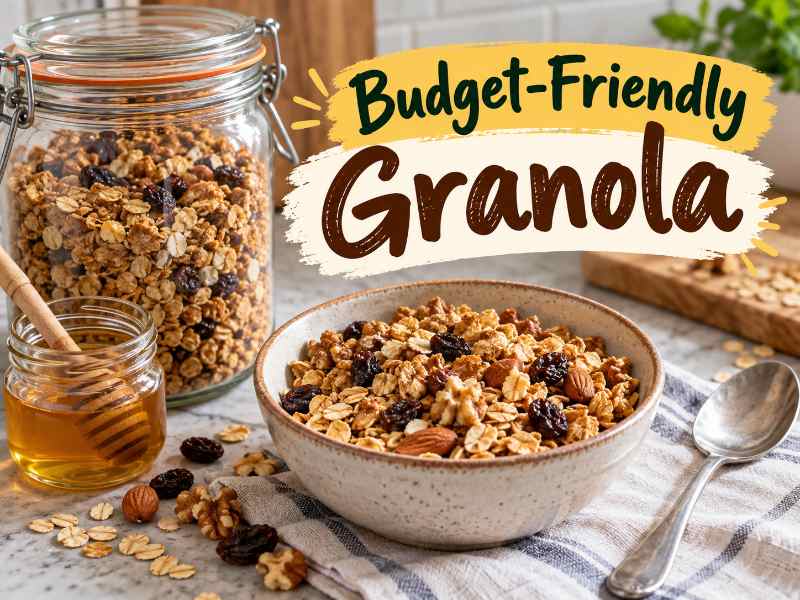
Granola can be inexpensive, but this is one food where it is easy to accidentally turn a budget recipe into an expensive one.
Start with oats. Add a modest amount of oil and your preferred sweetener, then flavour it with cinnamon or another spice. Bake until toasted, stirring occasionally.
Nuts, seeds and dried fruit are optional. They can make granola more substantial, but they are also often the most expensive ingredients. If the aim is saving money, use what you already have rather than buying five different additions just because a recipe includes them.
Homemade granola is especially useful if you like changing the flavour from batch to batch. One week might be cinnamon and raisin; the next could simply be toasted oats with a little honey.
7. Salad Dressing
A collection of half-used salad dressing bottles can occupy a surprising amount of refrigerator space.
Making a small amount yourself avoids that problem. A simple vinaigrette needs oil, vinegar or lemon juice, seasoning and perhaps mustard. Put everything in a jar and shake.
The advantage is not merely cost. You can make enough for tonight’s dinner instead of buying an entire bottle for one recipe.
Creamier dressings can require additional ingredients, so they are not necessarily the cheapest option. For everyday salads, though, a basic oil-and-acid dressing is hard to simplify much further.
8. Pasta Sauce
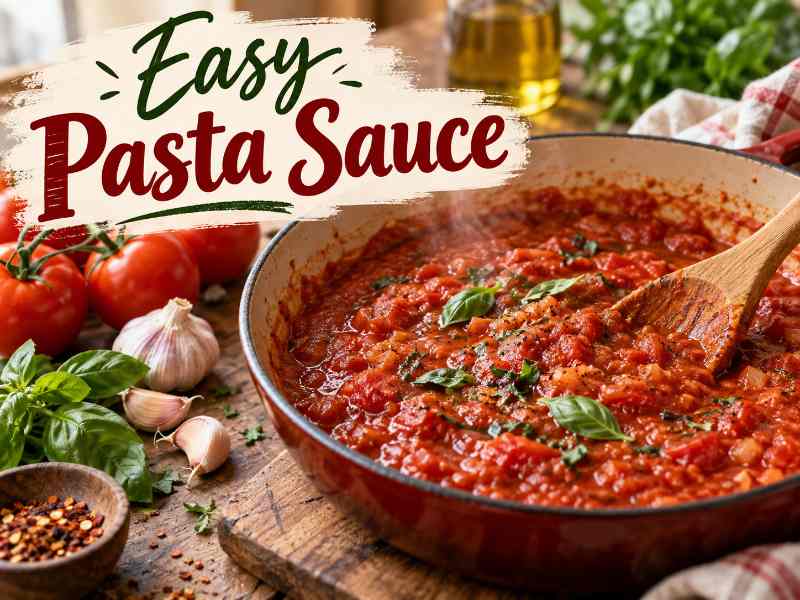
Jarred pasta sauce is convenient, but the basic version is easy to reproduce.
Start with canned tomatoes or tomato passata, then add onion, garlic, dried herbs and seasoning according to what you have. Simmer it until the flavour and consistency suit you.
This is also a useful place to use vegetables that need eating. A carrot, a little celery, mushrooms or peppers can disappear into a tomato sauce rather than ending up in the bin.
Make a larger batch when tomatoes are inexpensive or when you already have the ingredients open, then freeze portions for later meals.
9. Ketchup
Ketchup takes more effort than vinaigrette, but it is still possible to make from ordinary cupboard ingredients.
The appeal is greatest for people who already keep tomatoes, vinegar and seasonings at home and want control over sweetness and flavour. It makes less sense if you have to buy a collection of spices solely for one batch.
Living Green and Frugally has an easy homemade ketchup recipe sweetened with honey if you want a full recipe rather than experimenting with your own version.
For a household that uses ketchup slowly, making smaller batches can also prevent a large bottle from sitting around indefinitely.
10. Pancake Mix
Boxed pancake mix is convenient because the dry ingredients have already been measured. You can create the same convenience at home.
Combine the dry ingredients for your favourite pancake recipe and store the mixture in a labelled airtight container. Write the amount of mix and the wet ingredients needed for one batch directly on the label.
Then breakfast does not require getting five different packets out of the cupboard each time.
You can use the same approach for waffles and some simple baking mixes. The key is to prepare something you genuinely cook often; otherwise you have simply created another jar that sits unused.
11. Hummus
Hummus is built around chickpeas, and dried chickpeas can make it particularly economical if you are willing to soak and cook them.
Even canned chickpeas can be practical. Blend them with tahini if you keep it, plus lemon juice, garlic, seasoning and enough liquid to reach the consistency you prefer.
There is no requirement to make it elaborate. Roasted peppers, expensive oils and unusual toppings may be delicious, but they are not necessary for a useful everyday hummus.
Make the amount your household is likely to eat rather than automatically producing an enormous batch.
12. Breadcrumbs and Croutons
Buying breadcrumbs while throwing away stale bread is one of those habits worth reconsidering.
Dry bread can be turned into breadcrumbs for meatballs, toppings and coatings. It can also be cubed, seasoned and toasted into croutons.
This does not make sense if the bread is spoiled or mouldy; that should be discarded. But bread that has simply gone dry has plenty of kitchen uses.
It is a small saving compared with making your own tortillas or pizza, yet it has another advantage: you are getting another meal component from something you already paid for.
13. Stock
Homemade stock is particularly economical when it begins with ingredients that would otherwise be discarded.
Suitable vegetable trimmings, herb stems and bones can be saved and cooked with water to form a base for soups, stews and sauces. Not every scrap belongs in the stockpot, though. Anything spoiled should be thrown away, and strongly flavoured vegetables can dominate the finished stock.
Freezing usable trimmings until you have enough for a batch makes the process easier.
Once made, portion the stock according to how you normally cook. Small containers are more useful than one enormous frozen block when a recipe only needs a little.
14. Dry Soup Mixes
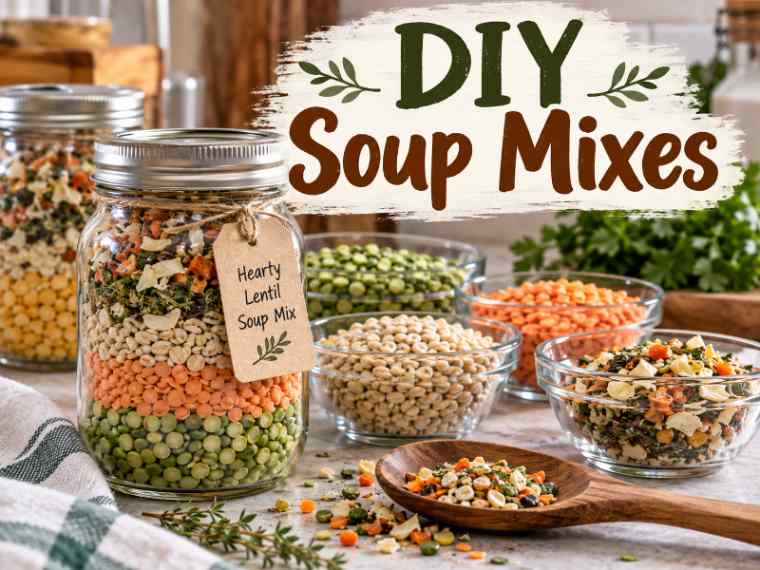
Pre-packed soup mixes often contain ingredients you can easily combine yourself.
Lentils, split peas, barley, rice, dried herbs and seasonings can be measured into jars or containers so that most of the preparation is already done. When you want soup, add the mixture to water or stock and cook it according to the ingredient that needs the longest cooking time.
Label each mix with what still needs to be added. You might write “add one chopped onion and canned tomatoes,” for example, rather than relying on memory three months later.
If inexpensive soups are useful in your household, these 15 meals you can make for under $1 per person include lentil and vegetable soup ideas built around similarly simple ingredients.
For people who want to take the make-ahead idea further, there is also a guide to making your own dehydrated meal packs.
15. Seasoning Blends
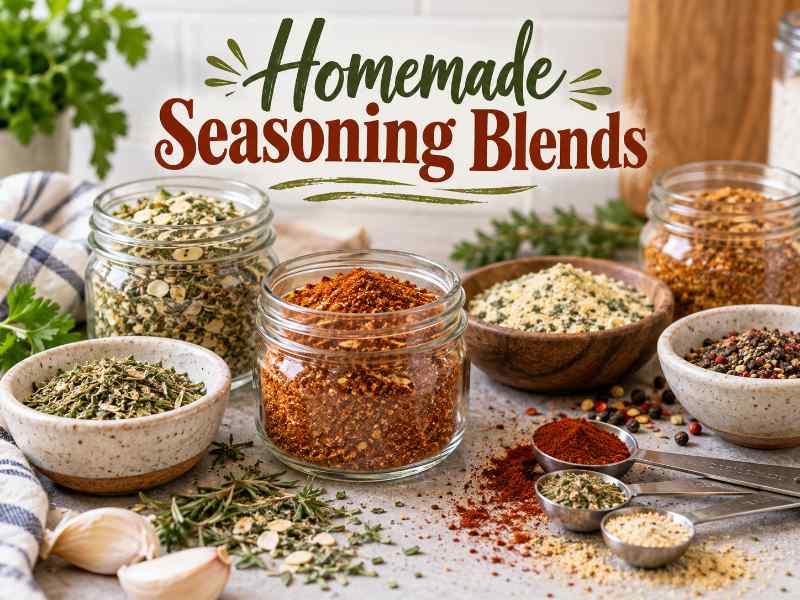
Taco seasoning, Italian herb blends, barbecue rubs and other seasoning packets are convenient, but the quantities inside them are often tiny.
If you already own the individual herbs and spices, blending your own takes a minute or two. It also lets you adjust the salt, heat and stronger flavours to suit your household.
Do not buy a dozen new spice jars just to make one homemade blend. That defeats the point. Start with combinations based on seasonings you already use.
Keep the finished mix dry, label the container and write down the proportions if you make a blend you particularly like. Otherwise, recreating your “perfect” taco seasoning six weeks later can become an unexpected guessing game.
Making food from scratch is most useful when it removes an expensive item from your normal shopping list without creating a new chore you hate. Popcorn, salad dressing and seasoning blends take minutes. Tortillas and bread need more effort, but they can replace products you may buy every week.
Start with the foods where the difference between the raw ingredients and the packaged product seems hardest to justify. Once one or two homemade versions become routine, the supermarket shelf begins to look rather different.
Frequently Asked Questions
Is homemade food always cheaper than store-bought?
No. Ingredient prices, energy use, the amount you make and the particular product you normally buy all matter. Homemade foods with short ingredient lists are usually the easiest ones to compare.
What is the easiest cheap food to start making at home?
Popcorn, salad dressing and seasoning blends are good starting points because they require little time or equipment.
Which homemade foods can I prepare in batches?
Bread, pizza dough, tortillas, pasta sauce, granola, dry mixes and stock are all suited to batch preparation. Store or freeze them appropriately for the particular food.
Do I need special equipment to make these foods?
Usually not. A saucepan, frying pan, mixing bowls, baking trays, jars and a rolling pin cover most of the foods on this list. A blender is useful for foods such as hummus.
How do I know whether making something at home is actually saving money?
Calculate roughly what the ingredients for one batch cost and compare that with the quantity of the equivalent product you normally buy. Include expensive additions and energy use if they materially affect the comparison.
What should I make first if I am short on time?
Choose something you already buy frequently that requires almost no extra work. Homemade popcorn, pancake mix or a simple salad dressing can give you the benefit of scratch cooking without committing an afternoon to it.