

17 Foods People Have Started Making From Scratch Because Groceries Got Too Expensive
Make sure to like Living Green and Frugally on Facebook, Shop at Amazon to help support my site and explore our PINTEREST BOARDS for innovative ways you can become self-sufficient.
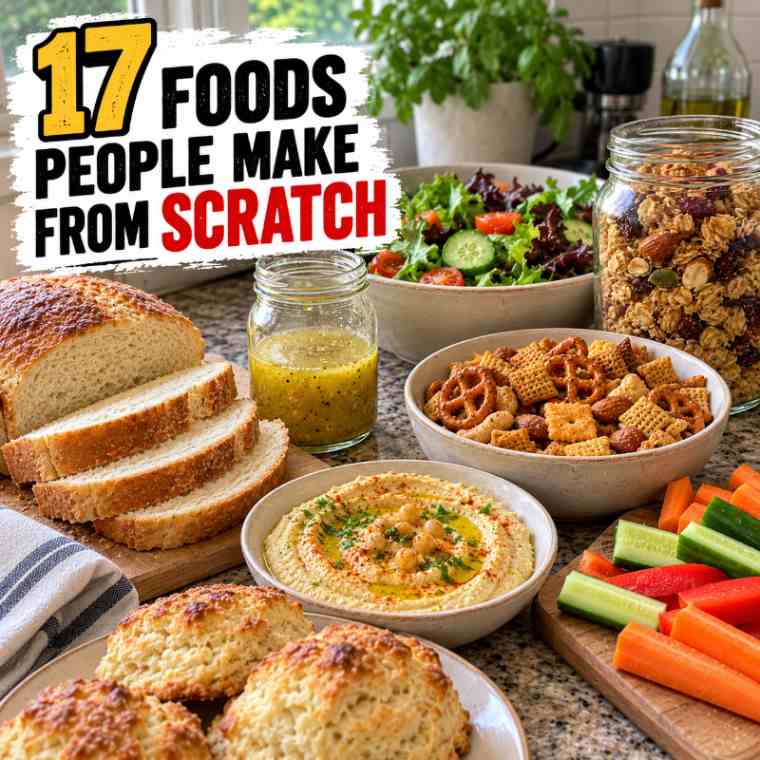
For a growing number of shoppers, making food from scratch is no longer just a hobby. It is becoming one way to deal with a grocery bill that seems to get harder to control.
A Reddit discussion posted on October 4 captured that frustration particularly well. The post quickly passed 500 votes after one person explained that rising grocery costs had pushed them to start making more everyday foods at home. Their successes included salad dressing, spaghetti sauce, English muffins, scones, yeast rolls, snack mix and cookie dough. They were also experimenting with hamburger buns and naan, although those had proved more difficult.
The part that probably feels familiar to many households is the trade-off. Making something yourself can reduce what you spend on convenience foods, but it also takes time. The original poster was working full time, so preparing food ahead and freezing it had become part of the strategy.
Other frugal cooking discussions from 2026 show much the same pattern. People are making tortillas, yogurt, hummus, bread, soup and stock at home, often because packaged versions no longer feel worth the price.
That does not mean everything is cheaper homemade. Ingredients, energy costs and the value of your time still matter. But these 17 foods are among the ones people are increasingly deciding are worth making themselves.
Sauces, Snacks and Everyday Extras
1. Salad dressing
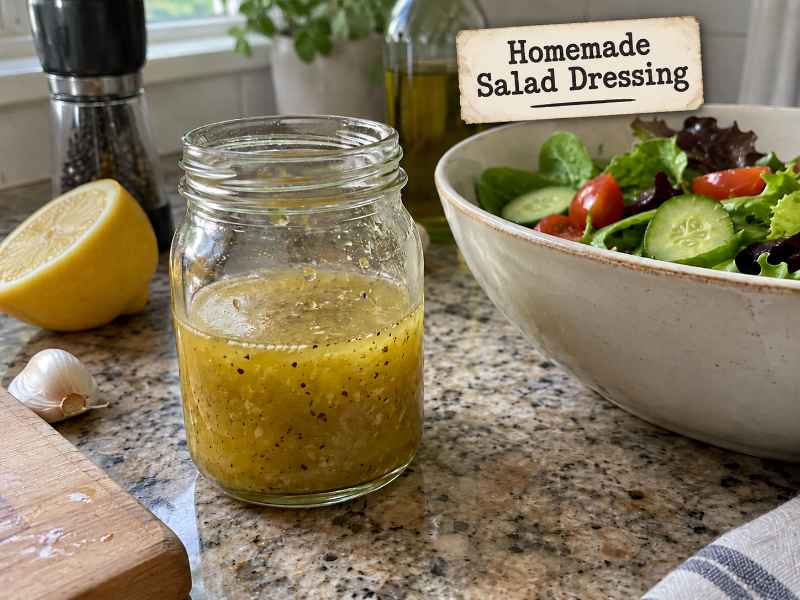
Salad dressing is one of the easiest places to start because there is very little technique involved. A basic vinaigrette can be made from oil, vinegar or lemon juice, mustard, seasoning and whatever herbs you already have.
It also solves another problem with bottled dressing: half-used bottles sitting in the refrigerator. Making a small amount when you need it means you can adjust the flavour and quantity instead of buying another speciality bottle.
Living Green and Frugally has previously included homemade salad dressing among the things frugal people make instead of buying, partly because the ingredients are often already in the kitchen.
2. Spaghetti and pasta sauce
Jarred pasta sauce saves time, but it is also something many home cooks have realised they can reproduce without much trouble.
Canned tomatoes or tomato sauce, onion, garlic and dried herbs are enough for a simple version. Vegetables that need using can go in as well, and larger batches can be frozen.
Pasta sauce appears repeatedly in frugal discussions about cooking from scratch. In one January 2026 Reddit thread about groceries people no longer buy ready-made, it was one of the most popular responses.
The useful part is not trying to imitate every premium jar on the supermarket shelf. It is having a basic sauce you can change depending on what you are cooking.
3. Snack mix
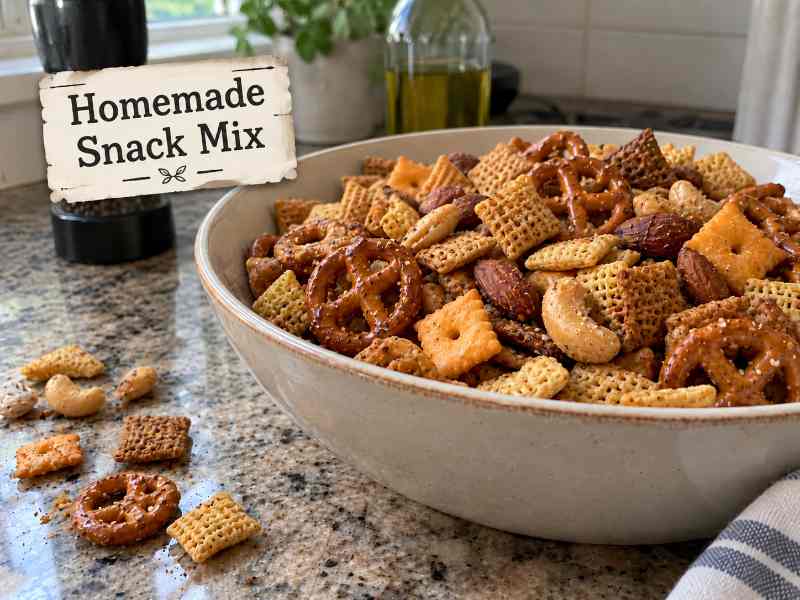
Packets of seasoned snack mix are convenient, but the ingredients themselves are often ordinary cereals, pretzels, crackers, nuts and seasoning.
Making it at home lets you use the components your household actually eats instead of paying for a mixture where half the bag gets ignored.
It is also well suited to batch preparation. Make a large container and divide it into smaller portions for work, school or days out.
4. Cookie dough and cookies
Ready-made cookie dough is designed for convenience. If flour, sugar, butter or oil and baking ingredients are already household staples, homemade dough can make more sense.
The real time-saver is freezing it in portions. Shape the dough before freezing and you can bake a few cookies at a time instead of making an entire batch whenever somebody wants something sweet.
This is a good example of scratch cooking working best when you do the work once rather than repeatedly.
5. Hummus
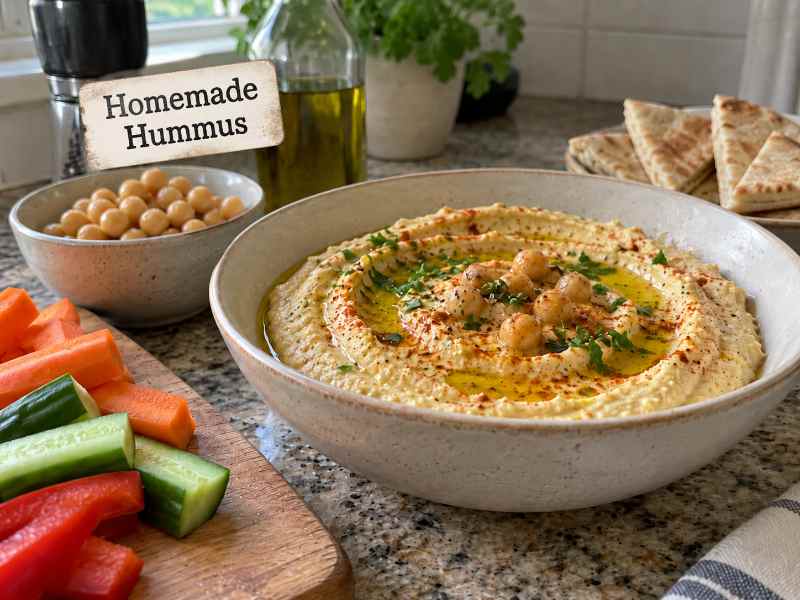
Hummus has become another common homemade swap, particularly for households that eat it regularly.
A January 2026 frugal discussion started with someone making hummus from dried chickpeas and ingredients already sitting in the pantry. Rather than following an expensive speciality recipe, they adjusted it according to taste and what was available.
That approach is worth remembering. Homemade food saves less money if every recipe sends you out to buy six ingredients you rarely use. It works better when the recipe turns inexpensive staples into something you would otherwise purchase ready-made.
6. Pancakes and waffles
Frozen pancakes and waffles solve a busy-morning problem, but you can use the same idea at home.
Make a large batch, allow them to cool and freeze them individually. They can then be reheated when needed. Dry pancake mix can also be prepared ahead using flour, baking powder and other dry ingredients.
A long-running frugal cooking discussion included families making pancakes and waffles in bulk specifically so they could freeze them instead of buying frozen versions.
The saving here comes from creating your own convenience food rather than giving up convenience altogether.
7. Granola
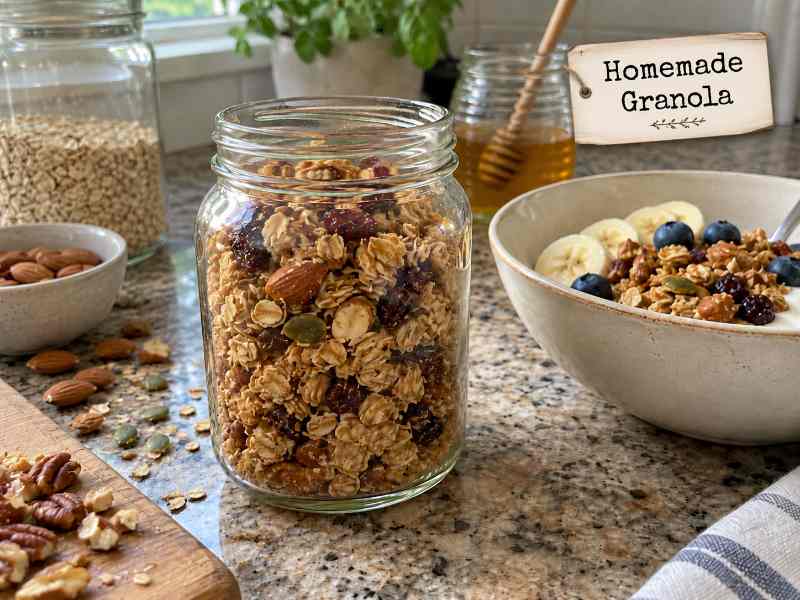
Granola looks simple because it is simple: oats combined with a sweetener, oil and whatever nuts, seeds, dried fruit or spices you want to include.
Whether it is cheaper depends heavily on the additions. A granola loaded with expensive nuts, maple syrup and speciality dried fruit can cost more than expected. A basic version built around oats and ingredients already in the cupboard has a much better chance of saving money.
That distinction matters. Homemade does not automatically mean frugal; the ingredient list still decides the final cost.
Bread and Bakery Foods
8. English muffins
English muffins were one of the foods specifically mentioned in the October 4 Reddit discussion, and they make sense as part of the wider move towards homemade bread products.
Traditional English muffins require a little practice, but you do not necessarily have to make individual muffins to get a similar result. This no-knead English muffin bread recipe turns the idea into a loaf that can be sliced and toasted.
Bread products are particularly suitable for freezing, so making more than you immediately need does not have to mean eating the same thing for three days straight.
9. Scones
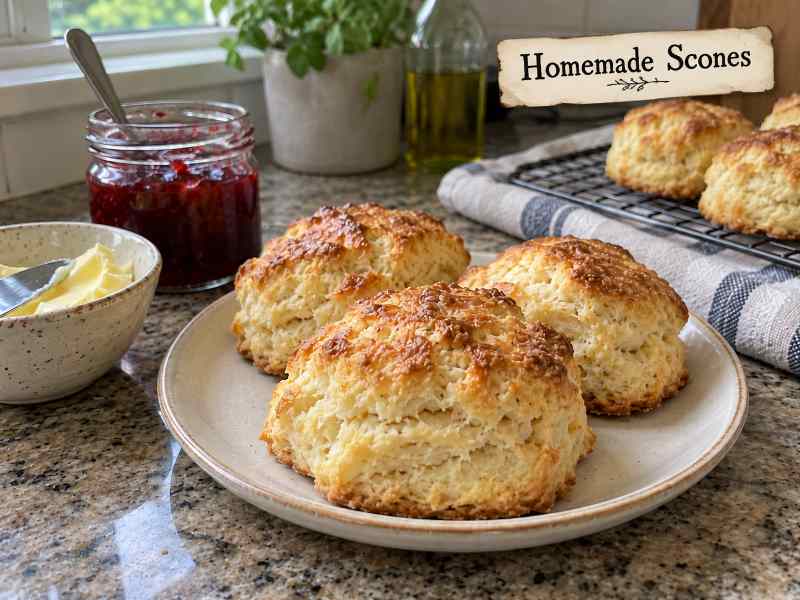
Scones are another food where a relatively short ingredient list can turn into a surprisingly expensive bakery purchase.
Flour, fat, milk and a raising agent form the basis of many recipes. Sweet or savoury additions can then be chosen according to what you have rather than what a bakery happens to sell.
They are also quick enough to be practical. There is no long yeast rise, and unbaked or baked scones can be prepared ahead depending on the recipe.
10. Yeast rolls
Dinner rolls are cheap to make in their simplest form, although yeast dough does require more waiting than a batch of biscuits or scones.
That waiting time is one reason homemade rolls work better when made in quantity. Bake enough for several meals and freeze the extras.
One Reddit discussion from February 2026 specifically mentioned mastering homemade yeast rolls and biscuits as a meaningful money-saving change.
Hamburger buns fall into a similar category, although shaping a soft bun with the texture you expect from a packaged one can take more practice. Sometimes the sensible frugal decision is to keep buying the foods that repeatedly frustrate you and make the easy ones yourself.
11. Sandwich bread
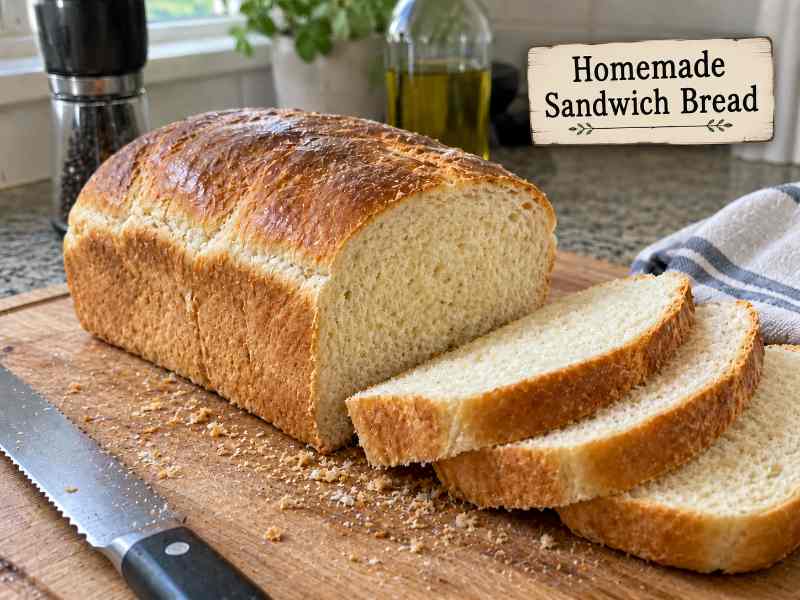
Bread may be the classic make-it-yourself grocery swap, but the finances are more complicated than they first appear.
The absolute cheapest supermarket loaf can be difficult to beat. Homemade bread becomes more attractive when you are comparing it with better-quality loaves rather than the lowest-priced bread available.
It does not have to become a weekend project either. A four-ingredient no-knead overnight bread keeps the ingredient list short and removes most of the hands-on work.
If your household goes through bread quickly, learning one reliable recipe can be more useful than collecting ten complicated ones.
12. Muffins
Individually packaged muffins and bakery muffins carry a convenience premium that becomes noticeable when several people in a household eat them.
Homemade muffins also give you somewhere useful to put ingredients that might otherwise be wasted: overripe bananas, apples, berries, pumpkin or even grated vegetables.
Make a dozen, keep a few out and freeze the rest. They become grab-and-go breakfasts and snacks without requiring another baking session.
For anyone who wants something more substantial than a plain muffin, these pumpkin cream cheese muffins show how a homemade batch can also replace the more expensive bakery-style versions.
13. Pizza dough
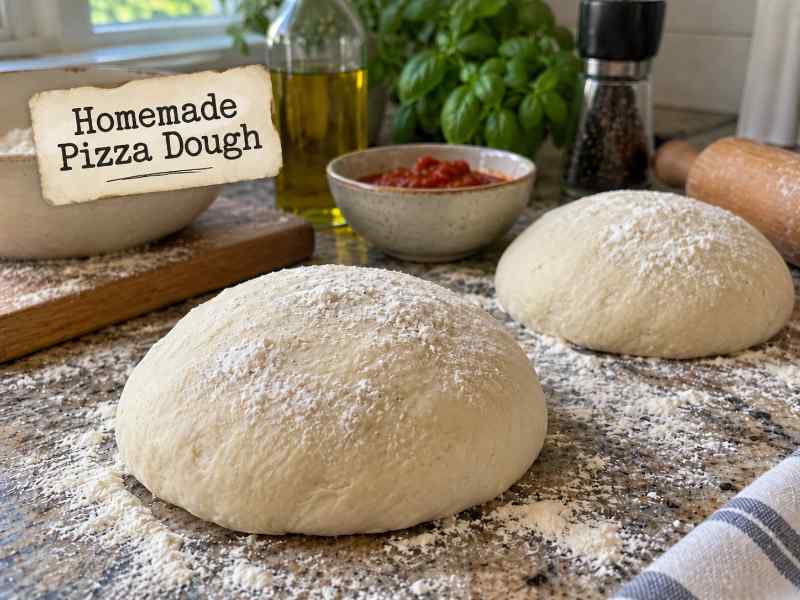
Pizza dough contains very little: flour, water, yeast, salt and usually a small amount of oil.
What makes homemade pizza genuinely useful for a budget is not only the dough. It gives you a meal that can absorb small quantities of ingredients that are difficult to turn into something else: half a pepper, leftover chicken, a few mushrooms, some cheese or an open jar of sauce.
Making two or more dough portions at once reduces the work further. Freeze the extras and a future pizza night becomes much closer to the convenience of buying one.
14. Tortillas
Tortillas are a particularly interesting example because prices vary enormously according to where you live.
In August 2026, a Reddit user described making a dozen corn tortillas at home after deciding that the packaged version had become too expensive for what it was. The post attracted hundreds of votes and plenty of discussion about presses, rolling and technique.
Flour tortillas are also approachable because they require only a few common ingredients. This homemade flour tortilla recipe uses flour, baking powder, salt, oil and water and does not require a tortilla press.
Once you are comfortable rolling the dough, wraps become something you can make when needed rather than another packet that has to go on the shopping list.
15. Naan and other flatbreads

Flatbreads sound easier than they sometimes are. The Reddit poster who successfully tackled several other homemade staples admitted that naan was one of the attempts that had not gone quite as planned.
That is useful information in itself.
Making food from scratch involves learning which recipes suit your schedule and patience. A simple pan-cooked flatbread may become a weekly staple; restaurant-style naan may not. Frugality does not require turning every meal into a cooking challenge.
If the homemade version takes an hour, makes a mess and leaves everyone wishing you had bought the packet, it may not be the swap worth keeping.
Staples That Can Replace Packaged Convenience
16. Yogurt
Yogurt is one of the more surprising foods people start making once they become comfortable with scratch cooking.
The process requires careful temperature control and a suitable starter culture, but much of the total preparation time is inactive. Some home cooks use appliances with yogurt settings to simplify it.
A March 2026 discussion about which homemade foods actually save money produced several recommendations for yogurt, including from people who use it frequently for smoothies or strain it for a thicker texture.
It is most useful for households that consume enough yogurt to justify making a batch. If one small pot sits in your refrigerator for two weeks, there is little reason to add another kitchen task.
17. Soup and stock
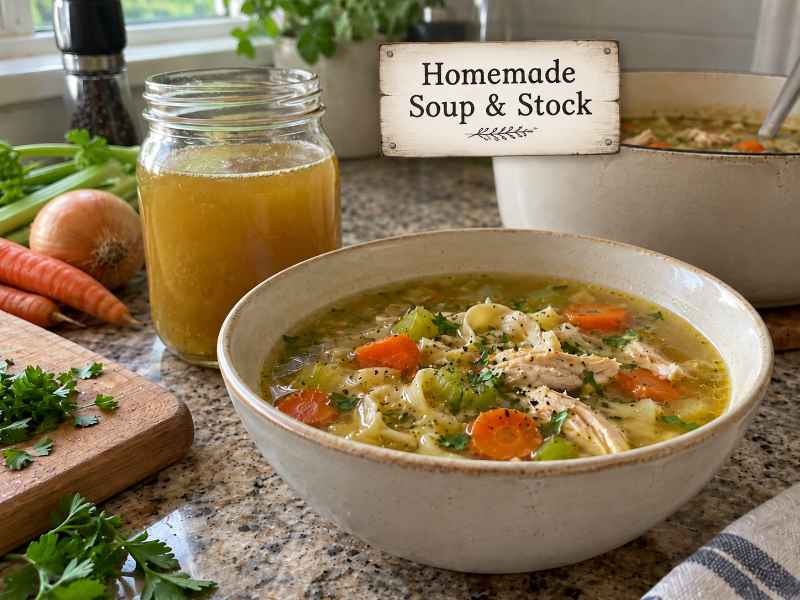
Soup is where frugal cooking and reducing food waste meet particularly well.
A few vegetables, beans, lentils, leftover meat or cooked grains can become lunch rather than becoming several unrelated containers at the back of the refrigerator. Homemade stock can take the same idea further by using suitable bones and vegetable trimmings as the base for future soups, stews, sauces and casseroles.
Recent frugal discussions have singled out both homemade soup and stock as worthwhile scratch-cooking habits.
It is also easy to freeze in portions, which is an important part of making scratch cooking realistic rather than exhausting.
The Point Is Not to Make Everything Yourself
There is an appealing idea that the answer to expensive groceries is simply to stop buying prepared food. Real life is more complicated.
Some things are extremely cheap for supermarkets to manufacture at scale. Others require ingredients that may be expensive where you live. A home baker discussing rising costs earlier this year pointed out that dishes using items such as mascarpone and nuts could quickly become costly even when made from scratch.
Time matters too.
The most useful homemade swaps are usually foods your household buys often, that use ingredients you already keep, that freeze or store well and that do not require an unreasonable amount of hands-on work.
That is why salad dressing can make more sense than making your own cheese, and a freezer full of rolls may be more practical than spending an afternoon trying to perfect hamburger buns.
If reducing the grocery bill is the main goal, scratch cooking also works best alongside ordinary shopping habits such as planning meals around what you already have, reducing waste and comparing prices. These 30 ways to save money on groceries offer several other ways to tackle the same problem.
The interesting thing about the current return to homemade food is that people are not necessarily trying to recreate an old-fashioned kitchen where everything is made by hand. They are choosing a few products where the price of convenience no longer feels reasonable.
Start with the bottle, packet or bakery item that makes you wince every time you put it in the trolley. If you can make a version you enjoy, freeze or store it easily and fit the preparation into your normal routine, that is probably the homemade swap worth keeping.
Frequently Asked Questions
Is making food from scratch always cheaper?
No. Savings depend on ingredient prices, how much you make, food waste and what store-bought product you are comparing it with. Premium ingredients can make a homemade version more expensive.
What is the easiest food to start making from scratch?
Salad dressing, simple pasta sauce and pancake mix are good starting points because they use common ingredients and require very little specialist equipment.
What homemade foods freeze well?
Bread, rolls, muffins, cookie dough, pizza dough, pancakes, waffles, soup and many sauces can usually be frozen successfully when prepared and stored correctly.
How can I make scratch cooking manageable when I work full time?
Choose foods that can be made in batches. Preparing double portions and freezing the extras lets one cooking session replace several future supermarket purchases.
Do I need special equipment to make these foods?
Most do not require it. Basic bowls, pans, baking trays and ordinary kitchen utensils will handle many of these foods. Equipment such as a tortilla press or yogurt maker can make certain jobs easier, but it is not always essential.
Which homemade foods are most likely to save money?
Foods with short ingredient lists and a high convenience markup are often the best candidates. The answer will still vary according to local prices, so compare the cost of the ingredients you actually buy with the packaged product you normally purchase.