

21 “Unsexy” Sustainable Habits That Actually Save You Money
Make sure to like Living Green and Frugally on Facebook, Shop at Amazon to help support my site and explore our PINTEREST BOARDS for innovative ways you can become self-sufficient.
Sustainable living is often shown online as a row of matching glass jars, a spotless pantry and a collection of beautifully designed reusable products. Real life is usually less photogenic.
That may be why a recent TikTok about deliberately “unsexy” sustainable habits struck a nerve. Creator Kelly (@plantbased.baby) showed the ordinary things she does at home, including cutting open skincare tubes, saving packaging, reusing plastic bags and continuing to use a battered secondhand lampshade. When the video was covered by The Cool Down in October 2026, it had attracted more than 30,000 likes.
The interesting part is that most of these habits do not require you to buy anything marketed as eco-friendly. In many cases, the saving comes from doing the opposite: using something for longer, wasting less of what you already paid for and refusing to replace perfectly serviceable things.
Here are 21 decidedly unglamorous habits that can reduce waste while keeping more money in your pocket.
Use What You Already Paid For
1. Cut open tubes before throwing them away
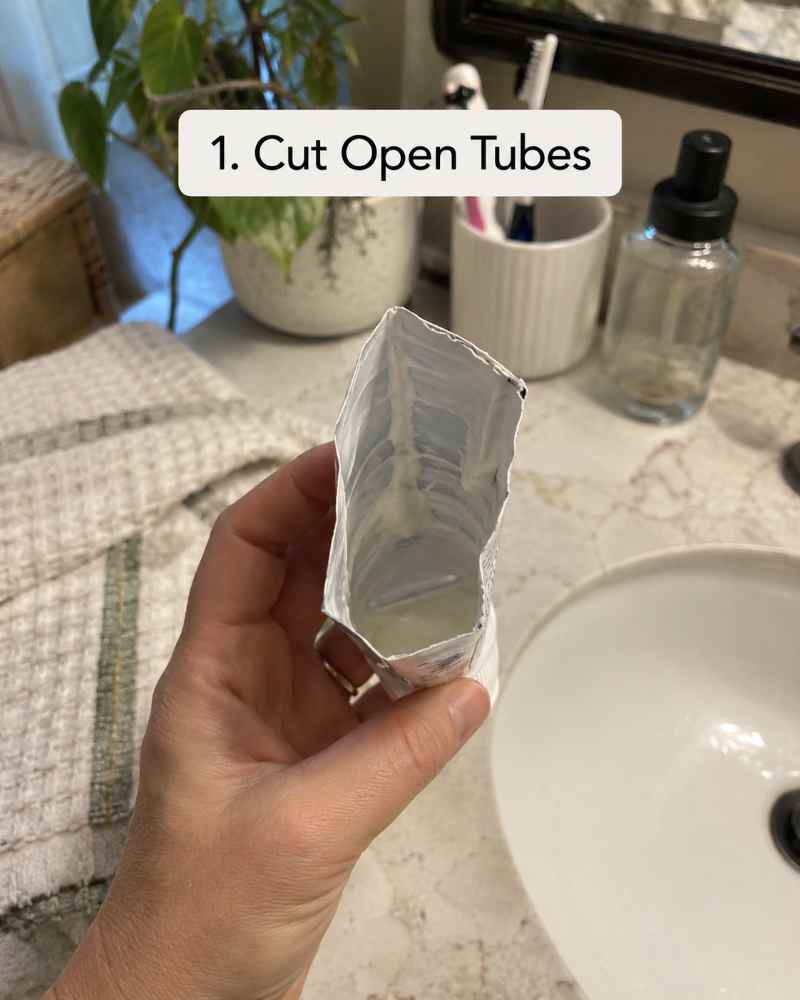
A tube can look empty long before it actually is.
Thick products such as creams and lotions often cling to the sides or collect near the sealed end where squeezing no longer reaches them. Carefully cutting open suitable packaging can reveal several more uses.
It is a tiny saving on one tube, but the habit matters because it delays the next purchase. Just use common sense: keep the opened product clean, use it promptly and do not do this with medicines or products where the packaging needs to remain sealed for safety or effectiveness.
2. Use the awkward last bits of soap
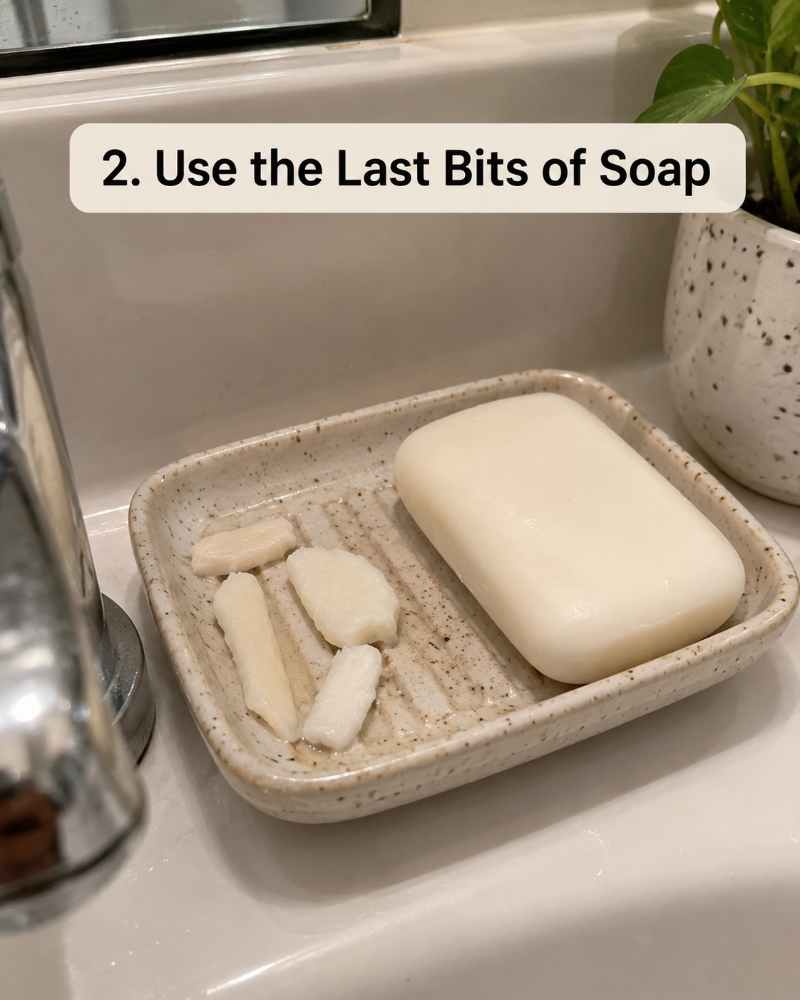
Small soap slivers are easy to throw away because they are annoying to handle. They are still soap.
Press the remaining piece onto a new damp bar, collect several pieces in a soap saver or use them for jobs where appearance does not matter. You paid for the whole bar, not just the convenient part.
The same principle applies throughout the house. Before something goes in the bin, ask whether it is actually finished or merely inconvenient.
3. Give clean bags and packaging another job
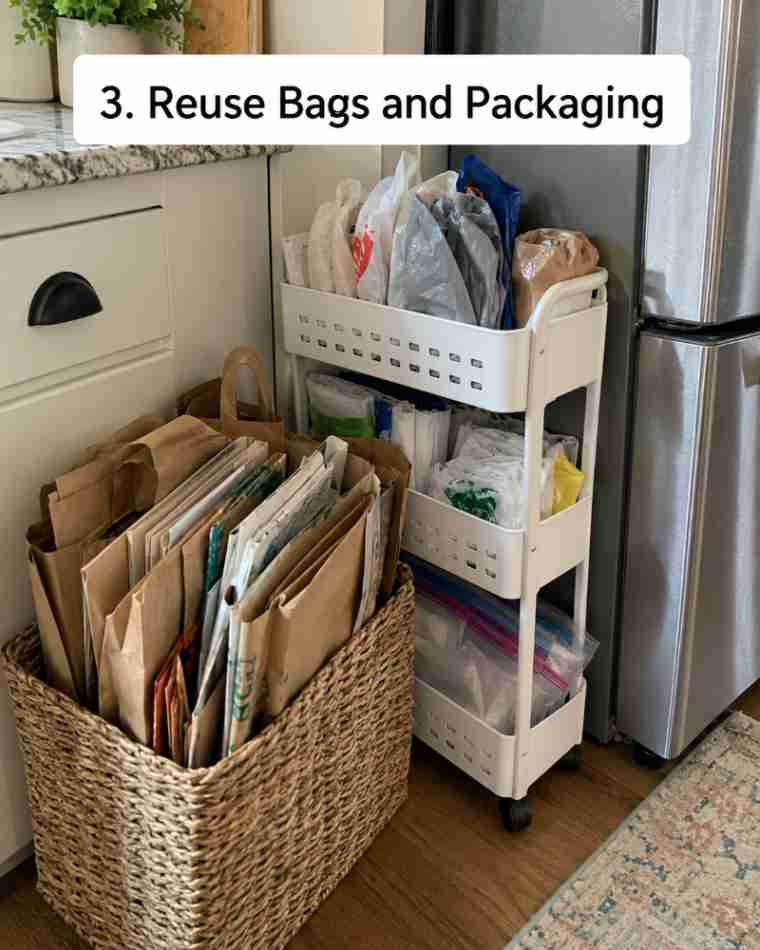
Bread bags, sturdy delivery bags, padded envelopes and boxes often survive their first use perfectly well.
A clean bread bag might hold muddy shoes, contain non-food household items or serve another suitable purpose before disposal. A shipping box can become storage or be used for your own parcel.
Previous generations routinely found second and third uses for ordinary packaging. If you want more ideas, these things your grandparents reused instead of throwing away show how normal this approach once was.
Reuse only where it makes sense, particularly with anything that has held raw food, chemicals or other materials that could create a hygiene problem.
4. Save useful jars and containers — but only useful ones
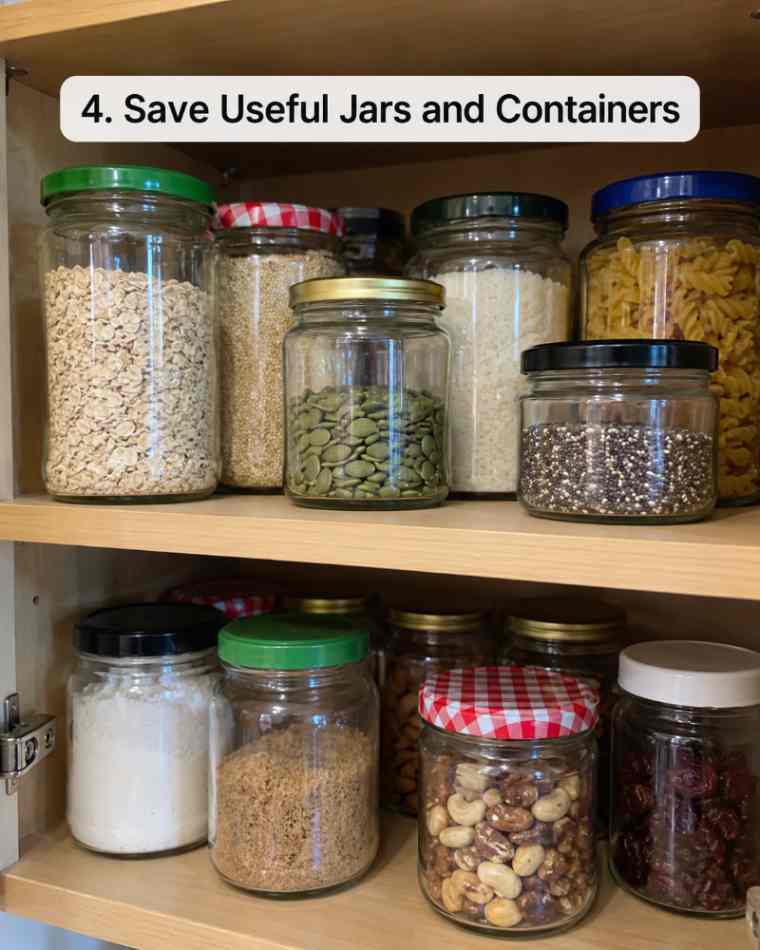
Reusing containers is frugal. Hoarding 47 yoghurt pots with no plan for them is not.
Keep the sizes you genuinely use for leftovers, dry goods, screws, seeds, craft supplies or workshop odds and ends. Get rid of the rest responsibly.
The aim is not to transform your cupboards into a recycling centre. It is to avoid buying a storage container when a perfectly adequate one has already passed through your kitchen.
There are plenty of other practical examples in these 35 ways to reuse everyday household objects.
5. Turn worn textiles into the cleaning cloths they were destined to become
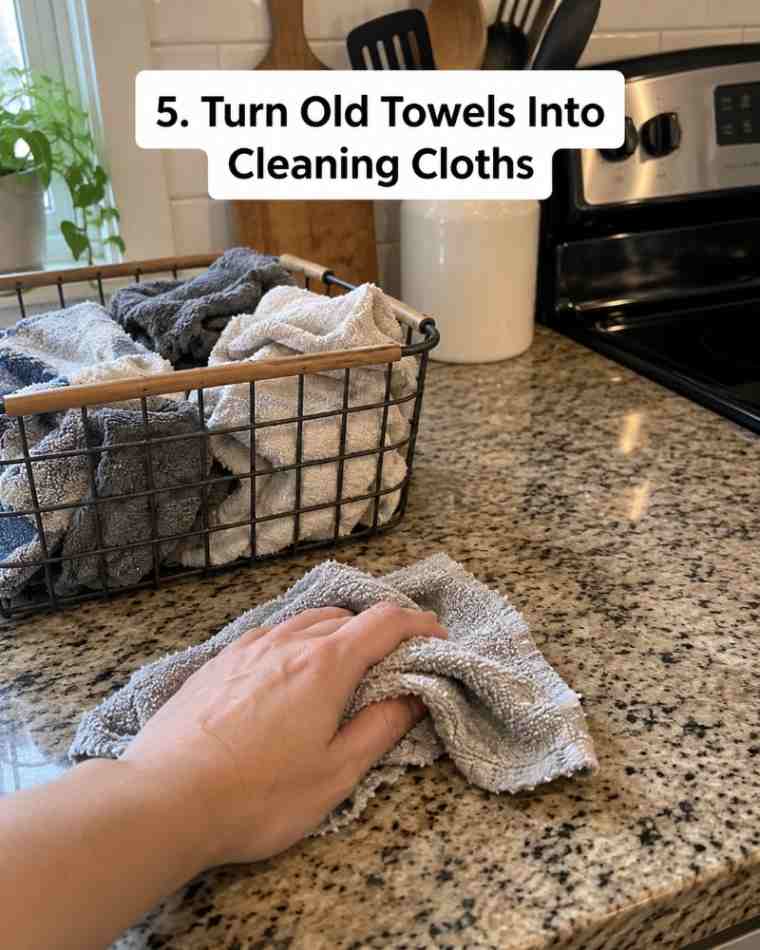
A towel with a hole in it has failed as a bath towel. It has not failed as fabric.
Cut worn towels, cotton T-shirts and old flannels into cleaning cloths. Keep a small basket of them somewhere convenient, use them for ordinary household cleaning, then wash and reuse them.
It is hard to make a basket of chopped-up old towels look aspirational on social media. Fortunately, it can also mean buying fewer disposable wipes and rolls of paper towel.
Keep Things Longer Than Fashion Tells You To
6. Sew the button back on
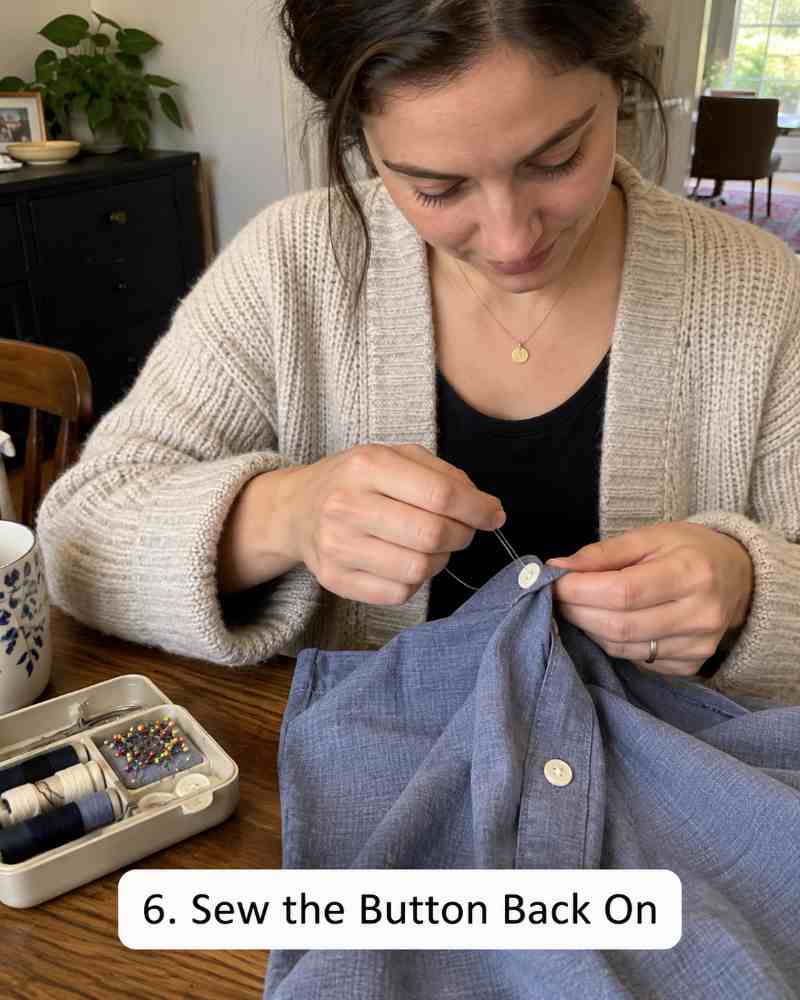
A missing button, split seam or small tear should not automatically turn clothing into rubbish.
A basic sewing kit can deal with many minor problems in minutes. You do not need tailoring skills. Learning to sew on a button and close a simple seam covers a surprising number of wardrobe emergencies.
The sustainable part is straightforward: the longer a garment remains wearable, the longer you can postpone paying for its replacement.
7. Keep the ugly thing if the ugly thing still works
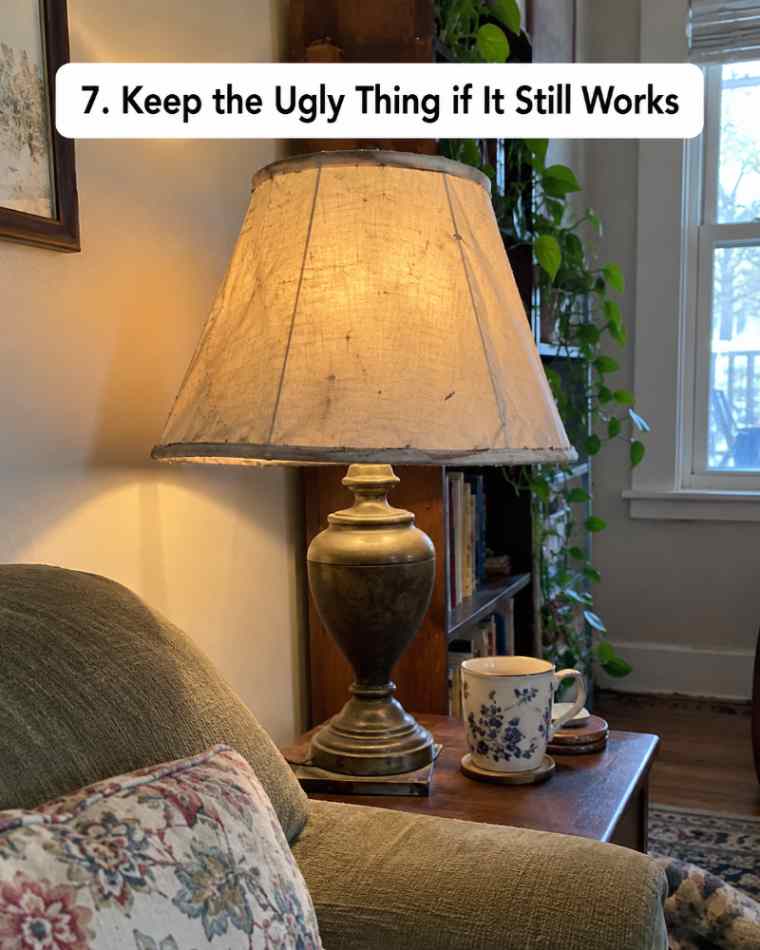
This may be the purest example of “unsexy” sustainability.
The slightly scratched table still holds plates. The old laundry basket still holds laundry. The unfashionable lamp still produces light. The mismatched food containers still contain food.
There is nothing wrong with replacing something you genuinely dislike when the time is right. But replacing functioning household goods merely because their colour, finish or style has fallen out of fashion creates an expense that did not otherwise exist.
A useful rule is to separate worn from worn out.
8. Tighten, patch and sharpen before replacing
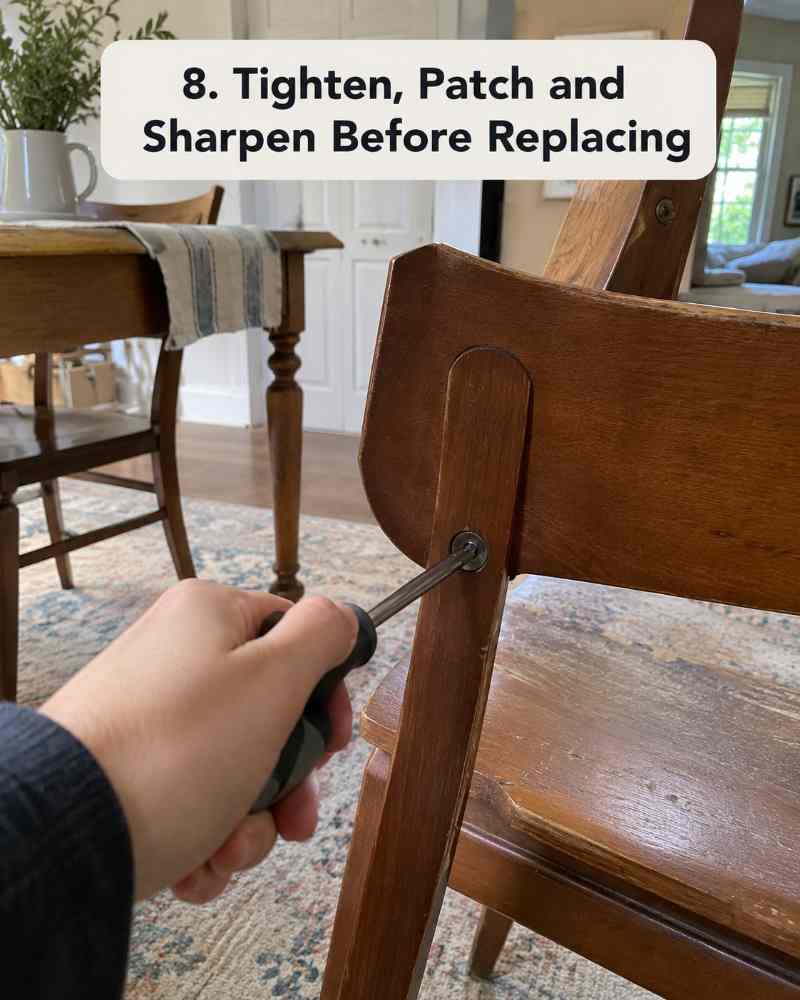
Loose chair? Tighten it.
Blunt kitchen knife? Sharpen it.
Loose cupboard handle? Get the screwdriver.
Small maintenance jobs often become replacement purchases because dealing with them feels inconvenient. A ten-minute repair gets postponed until an item becomes so annoying that buying another one feels easier.
Before shopping, check whether the problem can be cleaned, tightened, patched, glued, sharpened or fitted with a simple replacement part. This guide to things people used to repair instead of replace has more examples of that old-fashioned approach.
For electrical, gas or other potentially dangerous repairs, of course, know where DIY should end and professional help should begin.
9. Maintain things before they break
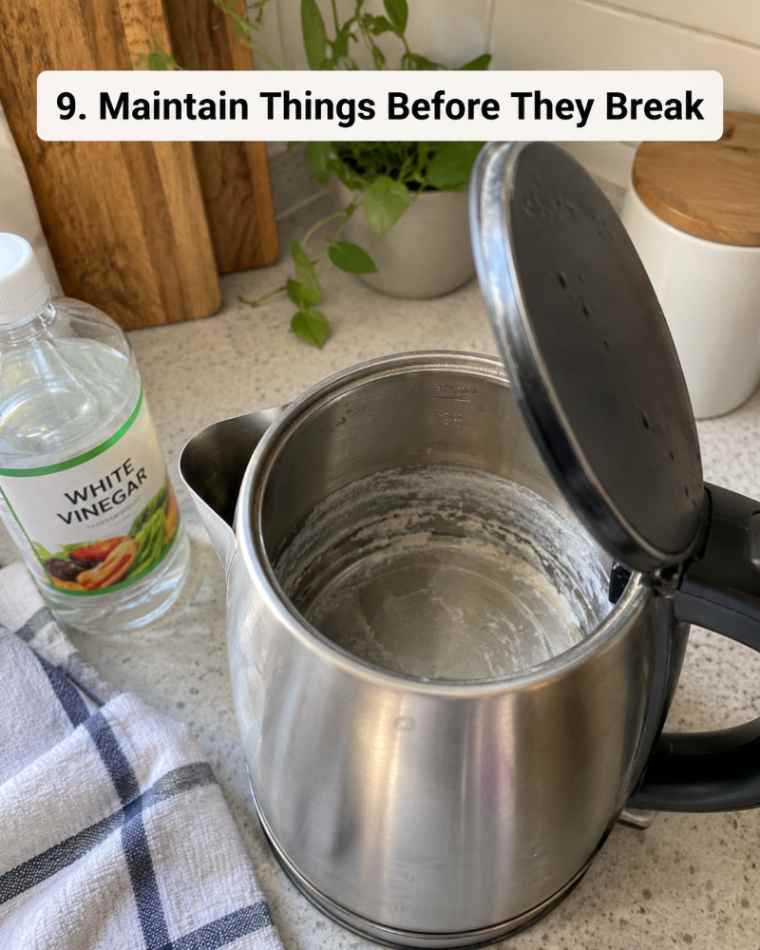
Cleaning a filter is boring. Descaling an appliance is boring. Oil, lubrication and routine checks are not exactly exciting either.
They are still worth doing.
Read the maintenance instructions for appliances and tools you own and do the simple jobs the manufacturer recommends. Keeping equipment clean and properly maintained can help it work as intended and may prevent minor neglect from becoming a more expensive problem.
Sustainability is sometimes less about clever recycling and more about owning a small brush and remembering where you put it.
10. Look secondhand before buying new
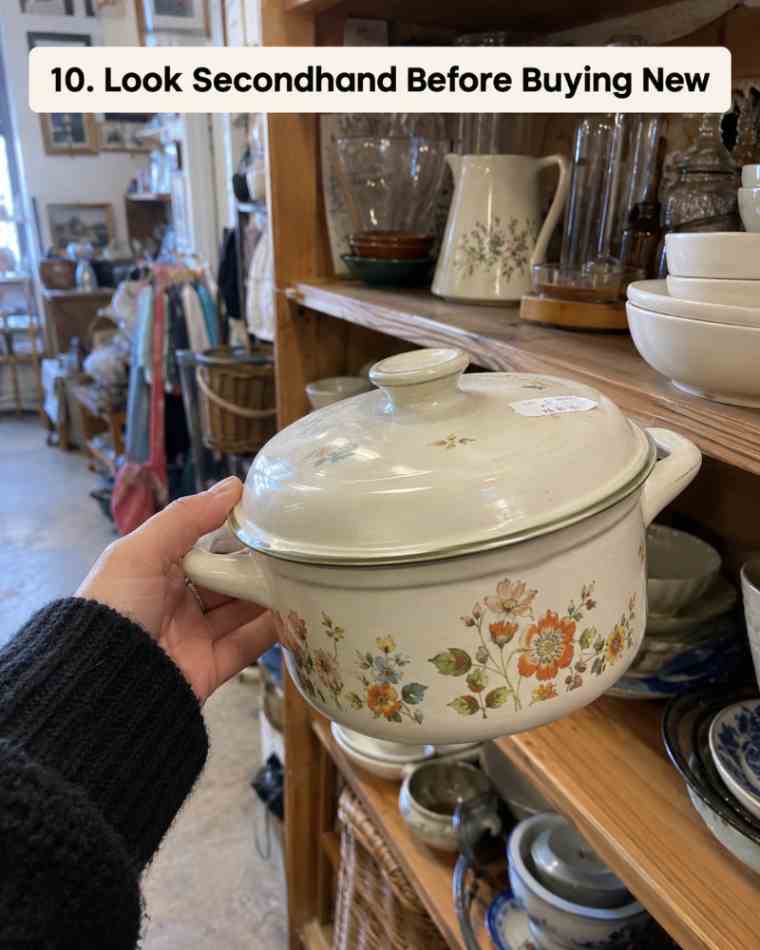
Not everything needs to arrive in pristine packaging.
Furniture, garden tools, shelving, plant pots, basic kitchenware and many other household items frequently turn up secondhand with years of useful life left in them.
The frugal question is not “Can I find this new for a good price?” but “Does somebody nearby already have one they no longer need?”
Secondhand will not suit every purchase, but checking first takes very little effort.
Make Food Waste Slightly More Annoying
Food waste is one of the clearest places where wasting resources and wasting money become exactly the same problem. The food in the bin is food you already bought.
11. Have an “eat this first” spot in the fridge
Choose one visible shelf, tray or container for food that needs attention soon.
Put the half-used pepper there. Add yesterday’s rice, the open tub of yoghurt and the cheese that is getting close to the end of its useful life.
Then check that spot before deciding what to cook or snack on.
It sounds almost laughably simple, which is exactly why it belongs on this list. A more complicated fridge organisation system is useless if you will not maintain it.
12. Eat leftovers for lunch before making something new
Leftovers do not need to be transformed into an entirely new recipe every time.
Sometimes last night’s dinner can simply be today’s lunch.
This removes the pressure to be endlessly creative with food while still preventing a perfectly good portion from being forgotten at the back of the fridge. Store leftovers safely, chill them promptly where required and reheat foods properly.
13. Freeze food while it is still worth freezing
The freezer works best when you use it before food is on the brink of being thrown away.
Bread you know you will not finish, an extra portion of dinner, ripe fruit intended for cooking and suitable ingredients left from a recipe can often be frozen for later.
Waiting until something is already questionable defeats the purpose.
If food regularly disappears into your fridge and emerges days later looking considerably less appetising, these practical tricks for making groceries last longer are worth adopting alongside a regular freezer check.
14. Keep a freezer inventory
The environmental merits of freezing dinner disappear somewhat if the dinner spends 19 months buried beneath three bags of peas and is eventually thrown away anyway.
Keep a simple list on the freezer door, on your phone or wherever you will actually use it. Cross things off as they leave and add new food as it goes in.
This is administration at its least glamorous, but it helps turn frozen food back into meals rather than long-term storage experiments.
15. Shop your kitchen before shopping at the supermarket
Before writing a grocery list, check the fridge, freezer and cupboards.
That half-bag of rice may already provide the base for dinner. The frozen vegetables can save you buying fresh ones this week. Three nearly identical jars of sauce probably mean you do not need a fourth.
Planning meals around what is already at home reduces duplicate purchases and gives older ingredients a chance to be used. For a broader approach, these ways to save money on groceries include checking what you have, using leftovers and shopping your freezer first.
16. Make the boring meal occasionally
Not every evening meal needs to be exciting.
Soup made from ingredients that need using, eggs on toast, baked potatoes, a simple pasta dish or a meal assembled from leftovers can prevent both food waste and an unnecessary takeaway.
A household that knows how to make an acceptable dinner from whatever is already available has a useful financial advantage: hunger does not automatically become a shopping trip.
Let Convenience Cost You a Little Less
17. Line-dry some of your laundry
A drying rack or clothesline has no app, flashing display or “eco mode.” It simply lets water evaporate.
When weather, space and ventilation allow, drying some laundry without a tumble dryer reduces the amount of energy you need to buy for drying clothes.
You do not have to become an absolutist. A family can use a dryer when it is genuinely useful and still line-dry sheets, towels or everyday clothes when conditions cooperate. If wet weather is the usual obstacle, these line-drying ideas for rainy climates offer practical alternatives.
18. Stop washing clean clothes out of habit
Not every item needs washing after a few hours of gentle wear.
Obviously underwear, heavily soiled clothing and anything affected by sweat or hygiene concerns belongs in the wash. But a jumper worn over another layer for an afternoon may be perfectly fine to air and wear again.
Fewer unnecessary washes mean less detergent, water and energy used, while also reducing the repeated washing that gradually wears fabrics.
Use your eyes, nose and judgement rather than automatically sending everything from your body to the laundry basket.
19. Wait until you have a sensible load
Running a washing machine or dishwasher for a handful of items may be convenient, but regularly using the capacity you already have can reduce the number of cycles you run.
That does not mean cramming appliances so full that they cannot work properly. Follow the manufacturer’s loading guidance.
The habit is simply to pause before pressing start and ask whether the job needs doing now.
20. Borrow the rarely used thing
Some possessions spend almost their entire lives waiting to be needed.
A specialised tool, large serving dish, carpet cleaner, camping item or piece of party equipment may only be required once or twice a year.
When practical, ask family, friends, neighbours, libraries of things, tool-lending schemes or community groups before buying something that will spend the next five years occupying a shelf.
Borrowing is not as satisfying as unboxing. Your bank balance is unlikely to care.
21. Make “use what I have” the default question
This is the habit behind nearly every other habit on the list.
Before buying something, ask whether you already own an object that can do the job.
Before throwing something away, ask whether it is genuinely finished.
Before replacing something, ask whether it can be repaired.
Before ordering food, ask what needs eating at home.
The point is not to make life inconvenient or to keep rubbish forever. It is to interrupt the modern reflex that treats every small problem as an invitation to buy another product.
That is why “unsexy” sustainability is so useful. It does not require the right storage jars, a redesigned kitchen or an expensive collection of green products. Often it looks like a faded towel under the sink, yesterday’s dinner for lunch, a repaired hem, an old lamp and a bread bag being used twice.
None of those things will transform a household budget overnight. Repeated across hundreds of ordinary decisions, however, they reduce the number of things you need to buy and help you get more value from the money you have already spent.
The most sustainable item in your house is often not the clever new alternative. It is the perfectly adequate old thing you decide not to replace today.
Frequently Asked Questions
Do sustainable habits always save money?
No. Some environmentally focused products cost more, particularly when there is an upfront investment. The habits in this article concentrate on reducing purchases, extending the life of belongings and wasting less, which can produce direct household savings.
Should I keep every container or piece of packaging for reuse?
No. Keep items only when you have a realistic use for them and they can be cleaned and stored safely. Saving mountains of packaging you never use simply creates clutter.
Is repairing something always cheaper than replacing it?
Not necessarily. Compare the repair cost with the item’s condition, replacement cost and expected remaining life. Safety-critical or badly damaged items may be better replaced.
What is the easiest sustainable money-saving habit to start with?
Try checking your fridge, freezer and cupboards before buying groceries. It requires no new equipment and can immediately help you use food you have already paid for.
Can I be sustainable without buying special reusable products?
Yes. Reusable products can be useful, but you do not need to replace functioning possessions simply to own a more sustainable-looking version. Using, repairing and reusing what you already have is often the more frugal starting point.
How do I avoid turning reuse into clutter?
Give saved items a defined space and limit. If the jar cupboard, rag basket or packaging box is full, use what you have before keeping more.