

Homestead To-Do List – A Month-by-Month Guide to Simplifying Your Year
Make sure to like Living Green and Frugally on Facebook, Shop at Amazon to help support my site and explore our PINTEREST BOARDS for innovative ways you can become self-sufficient.
Welcome to Your Homestead Planner
If you’re like me, juggling a busy family, a growing homestead, and the endless surprises life throws your way, you know how quickly things can feel overwhelming. One minute you’re planting seeds, and the next, you’re scrambling to can tomatoes while the chickens are escaping their run (again). That’s why I created this month-by-month homestead to-do list—a simple, practical guide to help you stay organized and on top of your homestead tasks all year long.
Whether you’re a seasoned homesteader or just starting out, this schedule will save you time, reduce stress, and even help you enjoy the process. You’ll find tips, tricks, and answers to common questions throughout, so grab a cup of tea (or coffee—no judgment here!) and let’s dive in.
Why You Need a Homestead To-Do List
Homesteading is a lifestyle, not a checklist—but having a clear plan can make your days smoother and more productive. This guide will help you:
- Save time by grouping tasks logically based on the seasons.
- Avoid overwhelm by focusing on what’s essential each month.
- Optimize harvests and ensure your family has fresh, homegrown food year-round.
- Prepare for surprises (because homesteading is full of them).
With this guide, you’ll be able to approach each month with confidence and focus.
Month-by-Month Homestead To-Do List
January: Planning and Preparing
- Plan your garden: Sketch out your garden layout, decide on crops, and order seeds.
- Inventory supplies: Check tools, seeds, animal feed, and canning supplies.
- Prune trees: While trees are dormant, prune fruit trees and shrubs.
- Start composting: If you don’t already have a compost pile, now’s the time!
Pro Tip: Invest in a good garden planner or notebook to track your progress throughout the year.

February: Seed Starting & Maintenance
- Start seeds indoors: Begin with cool-weather crops like lettuce, broccoli, and kale.
- Clean coops and barns: Give animal housing a deep clean before spring arrives.
- Check fences: Look for damage from winter storms and repair as needed.
- Prepare soil: Test your garden soil and amend with compost or organic fertilizers.
Q&A
Q: Can I start seeds without grow lights?
A: Yes! A sunny windowsill works, but grow lights ensure stronger seedlings.
March: Spring Prep
- Plant cool-weather crops: Direct sow peas, carrots, and radishes outdoors.
- Clean tools: Sharpen blades and oil handles to extend their lifespan.
- Set up rain barrels: Capture spring rains for summer watering needs.
- Raise baby chicks: If you’re adding to your flock, March is ideal for ordering chicks.
Pro Tip: Use row covers to protect early crops from unexpected frosts.
April: Full Steam Ahead
- Plant warm-weather crops: Tomatoes, peppers, and cucumbers can go in the ground after the last frost.
- Mulch garden beds: Suppress weeds and retain moisture with a layer of straw or wood chips.
- Tend to livestock: Schedule vet checkups and consider breeding plans.
- Build raised beds: April is perfect for expanding your garden space if needed.
Q&A
Q: How do I know my frost date?
A: Look up your local average last frost date online or ask local gardeners.
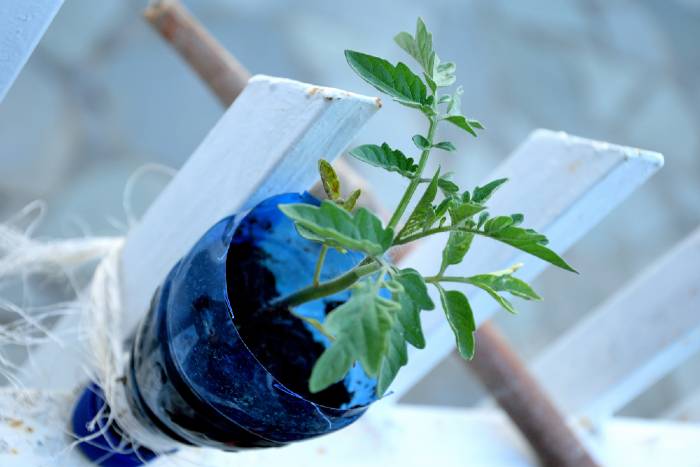
May: Maintenance and Growth
- Weed regularly: Pull weeds while they’re small to save effort later.
- Thin seedlings: Give plants room to grow by removing weaker sprouts.
- Plant herbs: Basil, thyme, and parsley thrive when planted in May.
- Start preserving: Freeze or dehydrate early harvests like spinach and strawberries.
Pro Tip: Use a hoe or hand tool to keep weeding manageable.
June: Full-On Growing Season
- Harvest early crops: Pick peas, radishes, and lettuce to encourage continuous growth.
- Stake and trellis: Support tomatoes, beans, and vining plants to prevent damage.
- Water wisely: Deeply water plants early in the morning to reduce evaporation.
- Control pests: Use natural solutions like neem oil or diatomaceous earth to deter unwanted bugs.
Pro Tip: Companion planting (e.g., marigolds with tomatoes) can help reduce pests naturally.
July: Peak Productivity
- Keep harvesting: Regular picking encourages plants to produce more.
- Preserve the harvest: Start canning, freezing, or dehydrating fruits and vegetables.
- Shade delicate crops: Use shade cloth for plants struggling in intense heat.
- Clean water troughs: High temps can lead to algae buildup—keep water fresh for animals.
Q&A
Q: How can I prevent plants from bolting in summer heat?
A: Provide shade, mulch heavily, and water consistently to keep soil cool.
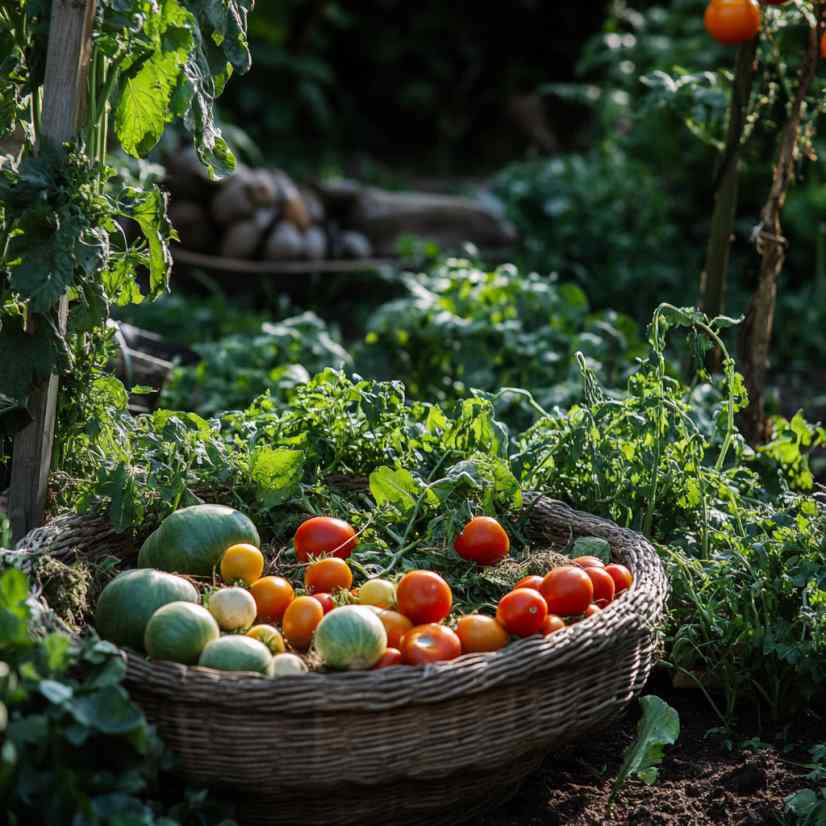
August: Prepare for Fall
- Plant fall crops: Sow broccoli, carrots, and spinach for a late-season harvest.
- Plan your winter garden: Research crops like garlic and overwintering onions.
- Keep up with weeding: Summer weeds can quickly take over if ignored.
- Inspect fences and barns: Ensure everything is secure before winter.
Pro Tip: August is a great time to start saving seeds from your strongest plants.
September: Shift Gears to Autumn
- Harvest late-summer crops: Tomatoes, peppers, and squash are often at their peak.
- Start composting leaves: Collect fallen leaves to enrich your compost pile.
- Preserve root crops: Store potatoes, carrots, and beets in a cool, dark place.
- Rotate livestock: If you practice rotational grazing, now’s the time to set up winter pastures.
Q&A
Q: How do I know when root vegetables are ready to harvest?
A: Check the size by gently brushing away soil around the base of the plant.
October: Wrapping Up the Garden
- Clean out garden beds: Remove spent plants and add them to your compost pile.
- Plant garlic and onions: These crops thrive when planted in fall.
- Mulch heavily: Protect perennials and overwintering crops with a thick layer of mulch.
- Prepare animals for winter: Check shelters, stock up on feed, and ensure water won’t freeze.
Pro Tip: Use straw bales or windbreaks to shield tender plants from early frosts.
November: Winterize Your Homestead
- Store garden tools: Clean, sharpen, and oil tools before storing them for the winter.
- Check your pantry: Take inventory of preserved goods and make notes for next year.
- Repair and build: Use downtime to fix fences, coops, or other structures.
- Protect livestock: Add insulation to coops and barns to keep animals warm.
Q&A
Q: Can I grow anything in November?
A: Yes! Indoors, you can grow herbs, microgreens, or even start sprouting seeds for fresh greens.
December: Reflect and Relax
- Evaluate the year: What worked well? What would you change next year?
- Order catalogs: Seed companies often release their catalogs in December—perfect for dreaming about spring.
- Care for animals: Ensure water heaters or de-icers are working properly to prevent frozen troughs.
- Enjoy the season: Celebrate your hard work with family meals featuring your harvests.
Pro Tip: Use this time to research new homesteading techniques or projects to try next year.
Common Questions About This Schedule
Q: How do I adjust this list for a smaller homestead?
A: Focus on what’s most important for your setup. If you don’t have livestock, skip those tasks and spend more time on your garden or other priorities.
Q: Can I combine tasks?
A: Absolutely! For example, you can weed while checking on your irrigation system or mulch beds while thinning seedlings.
Q: What happens if I fall behind?
A: Don’t stress! Homesteading is about flexibility. Focus on catching up with what’s most urgent, and let go of tasks that can wait.
Final Thoughts: You’ve Got This!
Homesteading can feel like a lot, but with a little planning, it’s manageable—and incredibly rewarding. This to-do list isn’t meant to box you in but to guide you toward a more organized and enjoyable homesteading experience. Remember, every small step adds up to a thriving, self-sufficient lifestyle.
So, let’s tackle this year one month at a time. And if you have any questions—or just want to share your progress—I’d love to hear from you. Drop a comment below, and let’s support each other on this incredible journey!
Happy homesteading! 🐓🌱